AI Reshapes the Workplace: Experts Discuss Job Transformation, Hiring Shifts, and Evolving Benefits
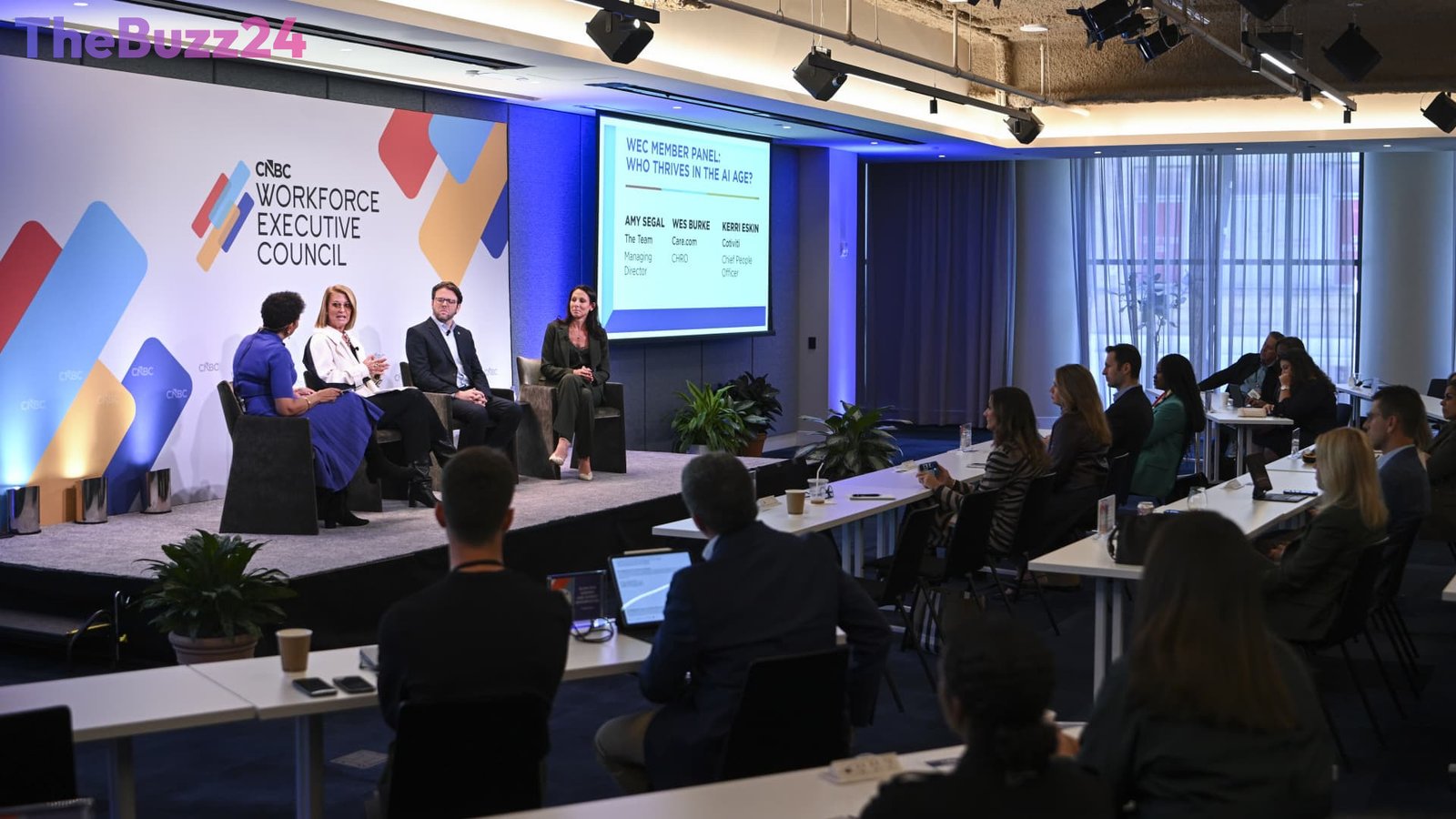
The modern workplace is navigating a complex landscape of evolving employer-employee dynamics, the pervasive influence of artificial intelligence on job roles and required skills, and the financial pressures impacting employees across all levels. Addressing these multifaceted challenges, industry leaders convened at the CNBC Workforce Executive Summit in New York City. The discussions highlighted how AI is not just automating tasks but fundamentally altering hiring strategies, the definition of essential employee skills, and the very nature of work.
Experts emphasized a significant shift in hiring philosophies, moving away from traditional “tell me about a time” scenarios to more dynamic problem-solving exercises. Companies are increasingly prioritizing adaptability, curiosity, and the ability to challenge the status quo when evaluating candidates. This approach aims to identify individuals who can thrive amidst rapid technological change and ambiguity. Furthermore, the summit explored the critical need for continuous learning and reskilling initiatives to ensure that workers of all ages can effectively integrate with AI tools, rather than being displaced by them. The focus is shifting towards cultivating a “human-in-the-lead” strategy, where AI augments human capabilities, empowering employees to redefine their roles and drive innovation.
Beyond job roles and hiring, the summit also delved into the evolving landscape of employee benefits and financial well-being. The rising costs of certain medications, particularly GLP-1s, are placing significant strain on employer-sponsored health coverage, prompting discussions about benefit restructuring and the potential shift towards more personalized, cash-pay models for wellness services. Simultaneously, the fundamental need for timely compensation was underscored, with on-demand pay solutions gaining traction as a critical tool to alleviate financial stress for a workforce increasingly living paycheck-to-paycheck. These discussions underscore a broader trend towards a more human-centric approach to workplace management, even as technology rapidly advances.
Key Takeaways
- Artificial intelligence is fundamentally transforming job roles, hiring practices, and the skills required in the modern workforce.
- Companies are shifting hiring criteria to prioritize adaptability and problem-solving over traditional experience, emphasizing continuous learning.
- Rising healthcare costs and employee financial strain are driving changes in benefits, with a growing focus on timely pay and personalized wellness solutions.
Editor’s Analysis & Impact
The CNBC Workforce Executive Summit underscores a pivotal moment where AI integration is forcing a re-evaluation of core business operations, from talent acquisition to employee benefits. The emphasis on adaptability and continuous learning signals a move towards a more agile workforce, capable of evolving alongside technological advancements. However, this rapid transformation also presents challenges, particularly concerning the financial well-being of employees and the escalating costs of healthcare. The discussions around GLP-1 drug costs and the demand for on-demand pay highlight the growing need for employers to balance technological innovation with tangible support for their workforce. The future of work will likely hinge on an organization’s ability to foster a culture of trust, provide robust reskilling opportunities, and offer benefits that address both evolving job demands and fundamental human needs.
Frequently Asked Questions
Q: How is AI changing the way companies hire?
A: Companies are shifting from traditional interview methods to assessing candidates based on their ability to problem-solve, adapt quickly, and demonstrate curiosity. The focus is on learning potential and adaptability rather than just past experience.
Q: What are the main concerns regarding AI in the workplace?
A: Key concerns include job displacement due to automation, the need for continuous reskilling and upskilling of the workforce, and ensuring that AI implementation is human-centric rather than solely cost-driven. There are also concerns about the increasing costs of healthcare benefits, partly driven by new medications.
Q: How are companies addressing employee financial stress?
A: Companies are exploring solutions like on-demand pay, which allows employees to access earned wages before payday, and re-evaluating benefit packages to better address essential needs and rising healthcare costs.
AI Disclosure: This article is based on verified data and official reports. Our Team and AI have cross-referenced every financial detail with primary sources to ensure total accuracy.
More from this Category