Examining the Evidence Behind Claims of Rampant US Voter Fraud
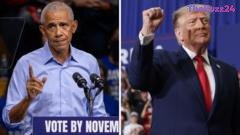
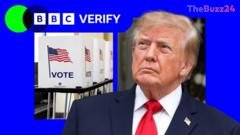
As preparations unfold for the upcoming midterm elections, debates surrounding the security of the American electoral system have once again taken center stage. Donald Trump has consistently raised alarms regarding what he characterizes as widespread cheating, specifically targeting postal voting mechanisms and the participation of non-citizens. To incentivize the identification of illicit activities, a monetary reward has been proposed for validated reports leading to convictions, highlighting an ongoing political focus on ballot integrity.
Despite these persistent warnings from political figures, comprehensive empirical research consistently indicates that actual instances of electoral fraud are exceedingly rare. Evaluations of multiple national elections conducted by various policy organizations reveal a negligible rate of irregularities within mail-in voting. For instance, multi-year analyses show that proven fraudulent cases amount to only a tiny fraction of the tens of millions of postal ballots cast nationwide. Similarly, studies focusing on states with universal mail-in voting structures have found no statistical correlation indicating that voting by mail heightens overall vulnerability to manipulation.
The debate also extends to voter identification mandates and the eligibility of non-citizens, which remains strictly prohibited in federal elections. Proposed legislative measures seek to enforce stricter identification requirements, such as mandatory government-issued photo IDs and active citizenship verification during registration. Proponents argue these safeguards are necessary to protect the democratic process, while critics contend that stringent rules risk disenfranchising eligible voters who lack immediate access to specific documentation, such as passports.
Furthermore, inquiries into non-citizen voting patterns demonstrate that confirmed violations are exceptionally sparse. Historical databases and federal court records indicate that criminal charges and subsequent convictions related to non-citizens casting ballots represent an infinitesimal percentage of total votes. While federal tools and databases are increasingly utilized by states to audit voter rolls and identify potential discrepancies, experts emphasize that while these resources can aid administrative updates, documented cases of systemic impact remain practically non-existent.
Key Takeaways
- President Donald Trump has strongly criticized US voting security, alleging widespread issues with mail-in ballots and non-citizen voting.
- Comprehensive studies and think tank data show that actual instances of voter and postal fraud remain extremely rare.
- Proposed legislative changes and the use of federal databases to audit voter rolls continue to spark intense debate between security advocates and voting rights groups.
Editor’s Analysis & Impact
The perennial debate over US electoral integrity sits at the intersection of political rhetoric and empirical reality. While political campaigns frequently leverage concerns over mail-in ballots and voter identification to mobilize bases and push for legislative overhauls, independent data consistently underscores the structural security of current voting systems. The economic and administrative impact of implementing nationwide strict ID requirements or overhauling postal voting could alter voter turnout dynamics, potentially disproportionately affecting marginalized demographics. Looking ahead, the legal battles surrounding voter roll maintenance and database accuracy will likely shape election administration practices for years to come, emphasizing the continuous balancing act between accessibility and verifiable security in democratic institutions.
Frequently Asked Questions
Q: Is mail-in voting common in US elections?
A: Yes, mail-in voting is widely utilized across the United States. In recent presidential and midterm cycles, tens of millions of citizens have cast their ballots via postal services, with numerous states allowing mail-in voting without requiring a specific excuse.
Q: What does the evidence say about the frequency of voter fraud?
A: Multiple independent studies and reviews of historical electoral data show that voter fraud—including postal fraud and non-citizen voting—is exceedingly rare, with confirmed convictions representing a microscopic fraction of total votes cast.
Q: Can non-citizens legally vote in US federal elections?
A: No, it is strictly illegal for non-citizens to vote in US federal elections. Violating this law carries severe penalties, including fines, imprisonment, and potential deportation.
AI Disclosure: This article is based on verified data and official reports. Our Team and AI have cross-referenced every financial detail with primary sources to ensure total accuracy.
More from this Category