Prediction Markets Brace for Scrutiny as Midterms Could Shift Regulatory Landscape
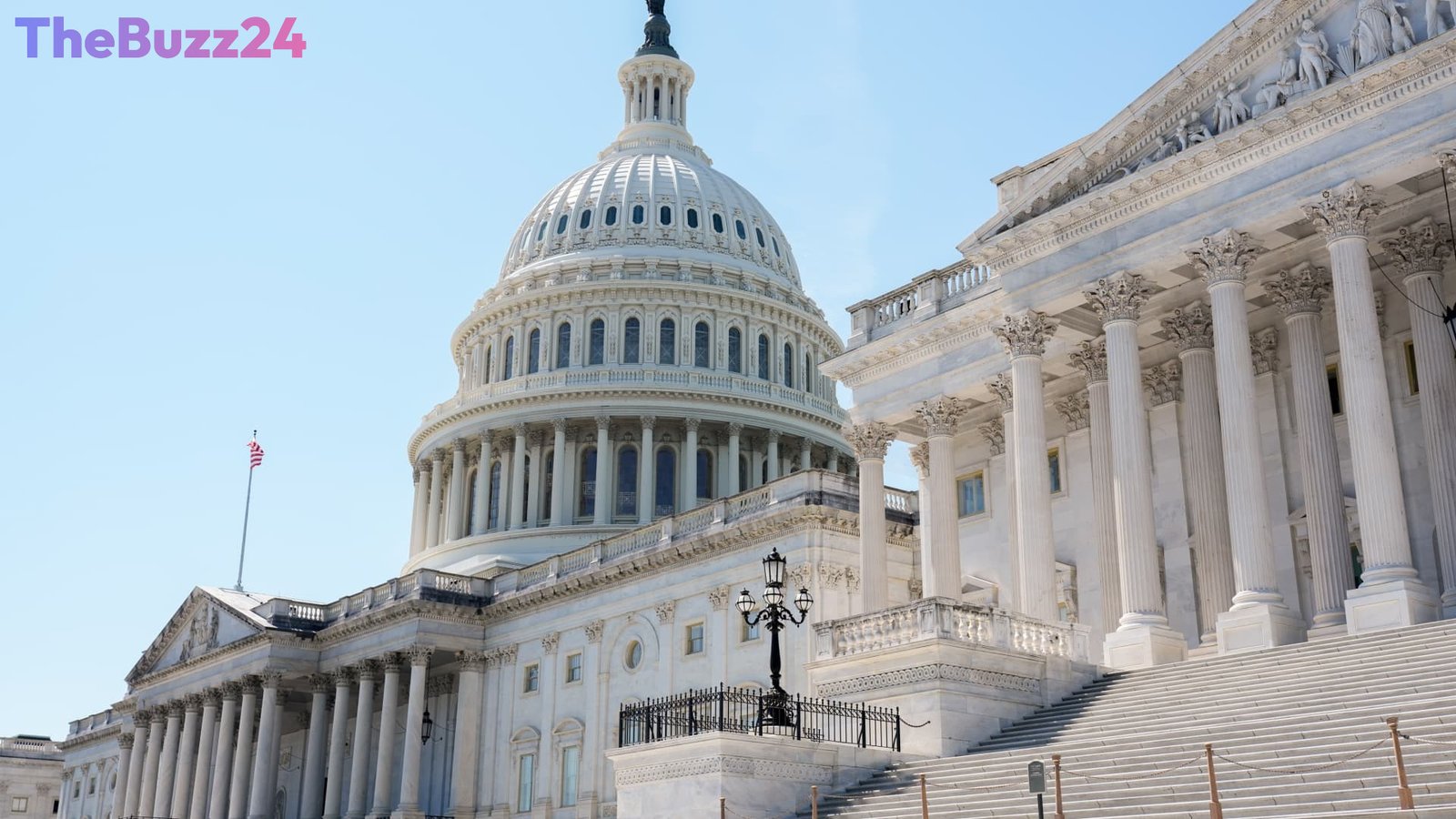
The burgeoning world of prediction markets, which allow users to bet on the outcomes of future events, is poised for increased attention from Washington D.C. following the upcoming midterm elections. While lawmakers have largely maintained a hands-off approach, a potential Democratic majority could usher in a new era of oversight, potentially impacting major players like Kalshi and Polymarket.
Numerous legislative proposals aimed at regulating prediction markets have been introduced in Congress, with a significant majority originating from Democratic lawmakers. These proposals often focus on restricting participation by elected officials and their staff, as well as banning specific types of contracts, particularly those related to sports. Although none have yet passed, a shift in congressional power could provide proponents of these measures with a stronger platform to advance their agendas.
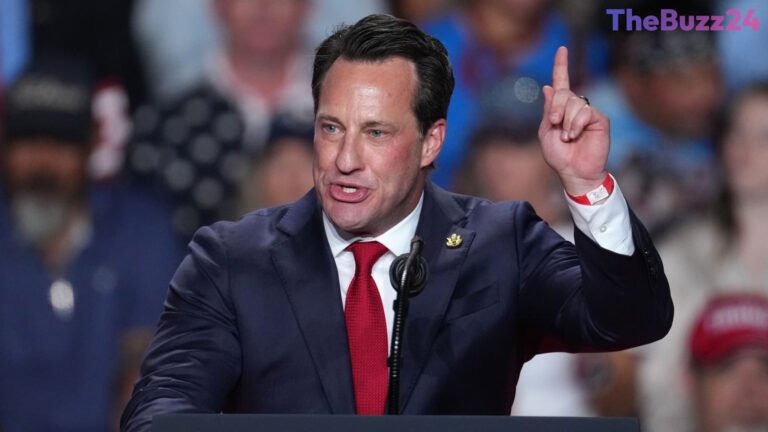
Beyond potential legislation, Democrats may leverage committee investigative powers to scrutinize the involvement of Donald Trump Jr., an advisor to both Kalshi and Polymarket. Concerns have been raised by some Democrats and Republicans regarding his advisory role and its potential influence on regulatory decisions, especially given his venture capital firm’s investment in Polymarket. While Trump Jr.’s representatives have dismissed these concerns as politically motivated, the association could become a focal point for congressional inquiries.
The Commodity Futures Trading Commission (CFTC), the primary regulator for event contracts, also faces the prospect of heightened scrutiny. Skeptics question the agency’s capacity to effectively oversee these rapidly growing markets, particularly in light of past staffing reductions. However, the CFTC maintains its readiness, citing its extensive experience in regulating other derivatives markets and its ongoing efforts to expand its workforce and refine its regulatory approach to emerging contract types.
Key Takeaways
- A potential Democratic victory in the midterms could lead to increased congressional scrutiny and potential regulation of prediction markets.
- The involvement of Donald Trump Jr. with Kalshi and Polymarket may become a target for Democratic-led investigations.
- The CFTC faces questions about its ability to regulate the growing prediction market industry, though the agency asserts its capability.
Editor’s Analysis & Impact
The prediction market industry is at a critical juncture. A shift in political power in Washington could significantly alter the regulatory environment, moving these platforms from a relatively unregulated space to one under closer governmental watch. The focus on potential conflicts of interest related to Donald Trump Jr. highlights the intersection of politics and emerging financial technologies. While the CFTC asserts its capacity to regulate, increased congressional oversight could pressure the agency to adopt more stringent rules. This could either stifle innovation or, as proponents argue, provide necessary guardrails for responsible growth, potentially drawing more mainstream participation and investment.
Frequently Asked Questions
Q: What are prediction markets?
A: Prediction markets are exchanges where individuals can trade contracts whose payoffs are linked to the outcome of future events, such as elections, economic indicators, or sporting events. Essentially, users bet on the likelihood of specific events occurring.
Q: Why might Democrats focus on regulating prediction markets?
A: Democrats have introduced numerous bills proposing restrictions on prediction markets, often focusing on preventing insider trading, limiting participation by public officials, and regulating specific contract types. The involvement of Donald Trump Jr. with key platforms may also draw their attention.
Q: What is the CFTC's role in regulating prediction markets?
A: The Commodity Futures Trading Commission (CFTC) is the primary regulator for event contracts in the United States. It oversees these markets to ensure fair and orderly trading, though its capacity and approach are currently under scrutiny.
AI Disclosure: This article is based on verified data and official reports. Our Team and AI have cross-referenced every financial detail with primary sources to ensure total accuracy.
More from this Category