Federal Reserve Maintains Benchmark Rate Amidst Unexpected Dissent and Major Procedural Shifts
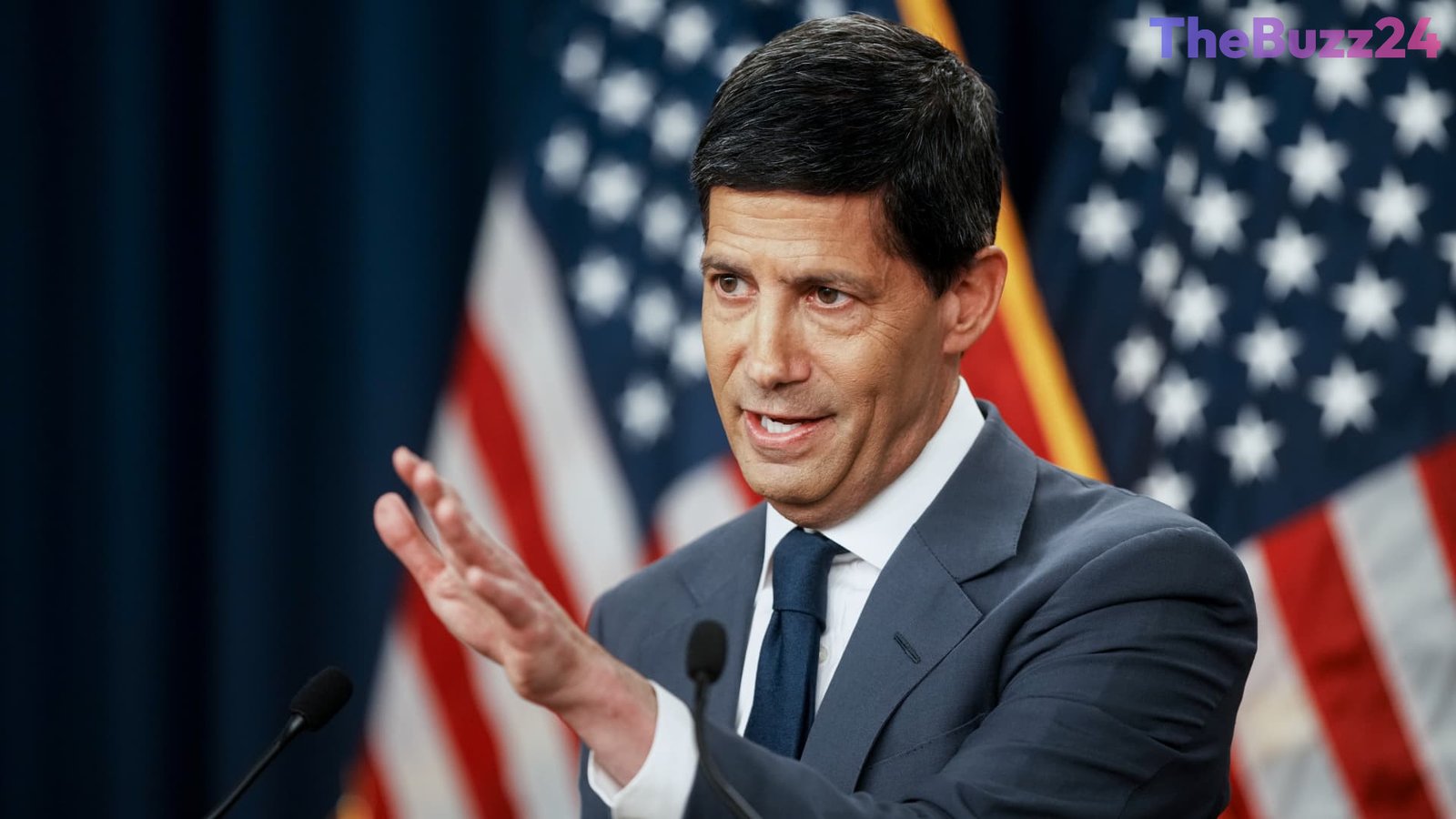
The Federal Reserve’s Federal Open Market Committee (FOMC) concluded its latest meeting by voting to keep the benchmark interest rate unchanged, a decision largely anticipated by financial markets. However, the session was not without its surprises, notably two dissenting votes and significant procedural adjustments announced by Fed Chairman Kevin Warsh during his subsequent press conference.
Among the unexpected developments was a dissenting vote from Governor Lisa Cook, which drew considerable attention. Governors rarely vote against the majority, and Cook had not done so since joining the board in 2022. Cleveland Fed President Beth Hammack also opposed the decision to hold rates steady. These dissents suggest a potential underlying hawkish sentiment among some committee members, even as the broader committee emphasized a “patient approach” to monetary policy, awaiting further economic data to guide future decisions.
Chairman Warsh also unveiled substantial procedural changes that will impact future FOMC operations. Starting in 2027, the committee will still meet eight times annually, but one of these meetings will be designated as a “strategy” session, foregoing an interest rate vote and a post-meeting statement. This will expand to two such strategy meetings in 2028, effectively reducing the number of scheduled opportunities to adjust rates to just six per year, outside of emergency interventions. Furthermore, Warsh announced changes to the post-meeting press conferences, shortening them from 45 minutes to 30 minutes and limiting reporters to a single question, a departure from previous practices. He also introduced a rotating alphabetical seating arrangement for journalists.
Beyond policy mechanics, Warsh touched upon the broader economic landscape, highlighting artificial intelligence as one of several robust factors contributing to ongoing economic expansion. The Fed’s continued emphasis on patience, coupled with these procedural shifts and the unexpected dissents, signals a complex and evolving approach to managing monetary policy in a dynamic economic environment.
Key Takeaways
- The Federal Reserve held its benchmark interest rate steady, a move widely expected by financial markets.
- Two FOMC members, Governor Lisa Cook and Cleveland Fed President Beth Hammack, unexpectedly dissented from the decision to maintain rates.
- Fed Chairman Kevin Warsh announced significant procedural changes, including fewer scheduled rate-setting meetings in future years and altered press conference formats.
Editor’s Analysis & Impact
The Federal Reserve’s decision to hold interest rates steady, while anticipated, was overshadowed by notable internal dynamics and forward-looking procedural changes. The unexpected dissent from Governor Lisa Cook, a rare occurrence for a Fed Governor, signals a potential hawkish undercurrent within the FOMC, suggesting some members may favor further tightening sooner than the majority. The announced reduction in rate-setting meetings could lead to less frequent, but potentially more impactful, policy adjustments, requiring markets to adapt to a new rhythm of Fed communication. This shift, combined with a patient stance on inflation and acknowledgment of AI’s economic impact, paints a picture of a central bank navigating a complex economic landscape with a blend of caution and strategic recalibration. The implications include potentially increased market volatility around the fewer, more critical meetings, and a heightened focus on individual member statements for policy clues.
Frequently Asked Questions
Q: Why did the Federal Reserve decide to hold interest rates steady?
A: The Federal Reserve's Federal Open Market Committee (FOMC) decided to hold its benchmark interest rate steady, a move that was largely expected by financial markets. The committee emphasized a 'patient approach,' indicating a preference to wait for more economic information to ensure inflation returns to its 2 percent goal.
Q: What were the significant procedural changes announced by Fed Chairman Kevin Warsh?
A: Chairman Warsh announced several key procedural changes. Starting in 2027, the FOMC will have fewer scheduled opportunities to adjust rates, with some meetings designated as 'strategy' sessions without a rate vote. Additionally, post-meeting press conferences will be shortened to 30 minutes, and reporters will be limited to asking a single question.
Q: Why was Governor Lisa Cook's dissenting vote noteworthy?
A: Governor Lisa Cook's dissenting vote was particularly noteworthy because it is rare for a Federal Reserve Governor to vote against the majority on interest rate decisions. Cook had not dissented since joining the board in 2022, making her 'no' vote a significant signal of a differing viewpoint within the committee regarding the appropriate monetary policy stance.
AI Disclosure: This article is based on verified data and official reports. Our Team and AI have cross-referenced every financial detail with primary sources to ensure total accuracy.
More from this Category