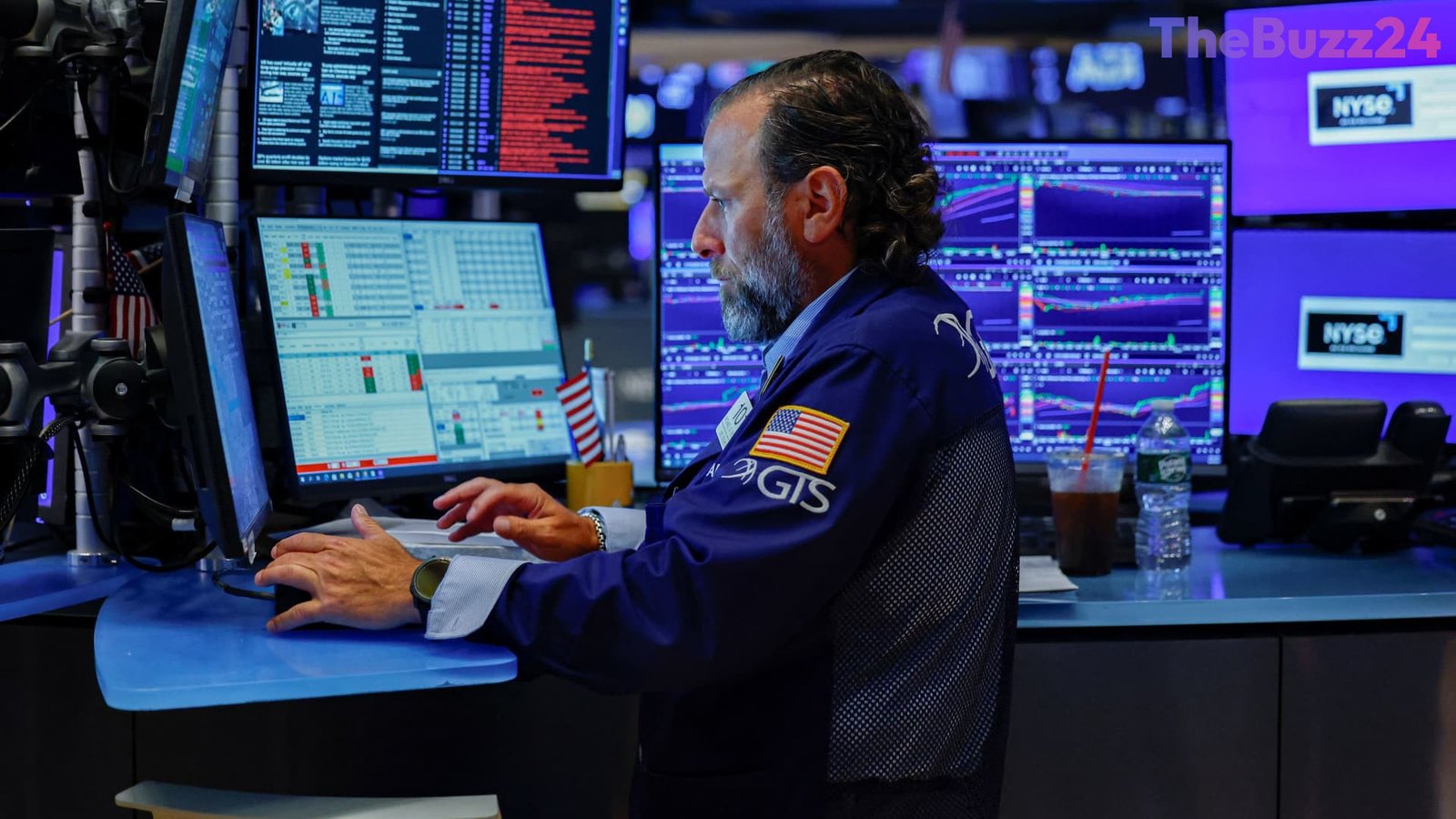
Treasury Yields Climb Despite Federal Reserve’s Rate Pause, Future Hikes Anticipated
Bond yields experienced an upward movement on Wednesday, as investors processed the Federal Reserve’s recent decision to keep interest rates unchanged at its October policy meeting. This market reaction suggests a forward-looking perspective, with participants potentially anticipating future monetary tightening despite the current pause.
The benchmark 10-year Treasury note yield, a critical indicator influencing mortgage rates, auto loans, and credit card debt, rose by over 3 basis points to reach 5.026%. Similarly, the yield on the longer-dated 30-year U.S. Treasury, often sensitive to geopolitical developments, also increased by more than 4 basis points, settling at 5.354%. In contrast, the 2-year Treasury note yield, which typically mirrors short-term Federal Reserve rate decisions, saw a slight dip of over 3 basis points to 4.704%. It’s important to note that one basis point equals 0.01%, and bond yields and prices move in opposite directions.
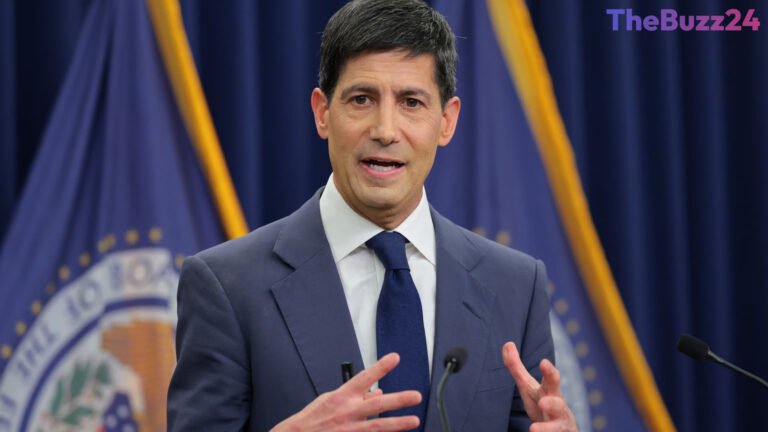
Federal Reserve Chairman Kevin Warsh affirmed the central bank’s unwavering commitment to “price stability” and highlighted a “quite positive” employment landscape, even as rates were held steady. Despite the October pause, market sentiment, as tracked by CME’s FedWatch tool, indicates a high probability—currently at 85.7%—of a 25 basis point rate hike at the central bank’s upcoming meeting on December 9.
Further economic data scheduled for release on Thursday will provide crucial insights into the domestic economy and inflation trajectory. This includes the personal consumption expenditures (PCE) index, which is the Fed’s preferred measure of inflation, alongside the quarterly GDP growth rate and personal income and spending figures. TruStage chief economist Steve Rick emphasized the importance of this data, stating that a steady rate doesn’t preclude future increases, especially if inflationary pressures persist. Policymakers will be closely examining whether current price increases are transient or becoming more deeply embedded across the economy.
Key Takeaways
- Treasury yields, particularly the 10-year and 30-year, increased despite the Federal Reserve maintaining interest rates, indicating market anticipation of future policy moves.
- The Federal Reserve reiterated its focus on "price stability" and positive employment, yet market tools like CME's FedWatch show an 85.7% expectation for a rate hike in December.
- Upcoming economic data, including the PCE index and GDP growth, will be critical for the Fed's future decisions, as policymakers assess the persistence of inflationary pressures.
Editor’s Analysis & Impact
The bond market’s reaction to the Federal Reserve’s decision to hold rates steady reveals a nuanced outlook, where a pause is not necessarily interpreted as the end of the tightening cycle. The rise in longer-term Treasury yields, despite the Fed’s inaction, suggests investors are pricing in continued inflation concerns and the likelihood of future rate hikes. This dynamic could lead to higher borrowing costs for consumers and businesses, impacting everything from mortgages to corporate debt. The high probability of a December rate hike, as indicated by market tools, underscores the data-dependent nature of the Fed’s policy. Future economic reports, especially on inflation and GDP, will be pivotal in shaping market expectations and the central bank’s next steps, potentially influencing broader economic growth and investment strategies.
Frequently Asked Questions
Q: Why did Treasury yields rise if the Federal Reserve held interest rates steady?
A: Treasury yields rose because investors are likely anticipating future interest rate hikes by the Federal Reserve, despite the current pause. This market reaction reflects ongoing concerns about inflation and the expectation that the Fed will need to continue tightening monetary policy to achieve price stability.
Q: What is the significance of the 10-year Treasury note yield?
A: The 10-year Treasury note yield is a crucial benchmark for various consumer and business loans, including mortgages, auto loans, and credit card debt. Its movement directly impacts the cost of borrowing for individuals and companies, making it a key indicator for the broader economy.
Q: What economic data is the Federal Reserve closely monitoring for future policy decisions?
A: The Federal Reserve is closely monitoring several key economic indicators, including the Personal Consumption Expenditures (PCE) index, which is its preferred inflation gauge, as well as quarterly GDP growth rates and personal income and spending data. These figures provide critical insights into the health of the economy and the persistence of inflationary pressures.
AI Disclosure: This article is based on verified data and official reports. Our Team and AI have cross-referenced every financial detail with primary sources to ensure total accuracy.
More from this Category