Microsoft’s OpenAI Partnership Generates $10 Billion in Quarterly Revenue Amid Evolving Dynamics
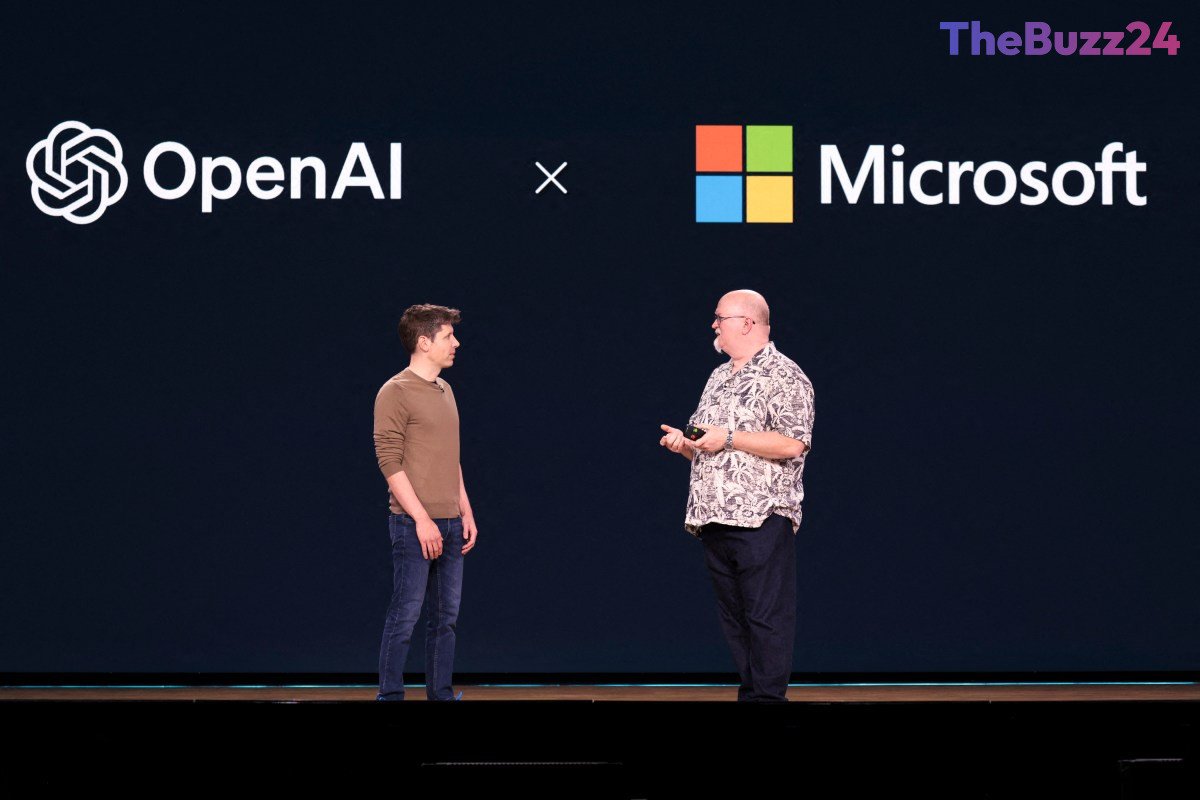
Microsoft has reported a significant financial gain from its commercial arrangements with OpenAI, recording $10 billion in revenue for the quarter ending September 30. This substantial figure represents nearly 11% of Microsoft’s total quarterly revenue of $92.3 billion, underscoring the deep financial ties that persist between the two technology giants, even as their competitive landscape for customers intensifies.
Looking at broader financial trends, Microsoft’s revenue from OpenAI reached $24.1 billion for the full 2026 fiscal year. Based on the latest quarterly performance, the company is on track to generate an estimated $40 billion annually from its OpenAI-related agreements. Additionally, Microsoft noted $7.2 billion in outstanding receivables from OpenAI at the close of September, an increase from $6 billion at the end of June. These receivables represent amounts owed for prior transactions, distinct from new revenue.
The revenue streams for Microsoft from OpenAI are understood to encompass both revenue-sharing payments and the provision of Azure cloud computing services. While the exact breakdown remains undisclosed, reports have indicated that OpenAI shares a portion of its revenue with Microsoft, potentially around 20%, as part of a prior investment deal exceeding $13 billion. An agreement from April 2026 stipulates that OpenAI will continue these revenue-sharing arrangements with Microsoft through 2030, subject to a cap, even as OpenAI gains the flexibility to collaborate with competing cloud providers.
The partnership’s structure has seen notable shifts, particularly in October 2025, when Microsoft adjusted its exclusive hold on OpenAI, granting the startup greater autonomy to engage with other cloud service providers. In return for this increased freedom, OpenAI committed to purchasing an additional $250 billion in Azure services. Concurrently, Microsoft’s ownership stake in OpenAI has experienced a gradual reduction, declining slightly from approximately 25% in June to 24% in September, continuing a trend observed since a recapitalization in October 2025.
Key Takeaways
- Microsoft generated $10 billion in revenue from OpenAI in the quarter ending September 30, accounting for nearly 11% of its total quarterly revenue.
- The financial relationship, which includes revenue-sharing and Azure cloud services, is projected to reach $40 billion annually, with OpenAI committed to significant future Azure purchases.
- The partnership is evolving, with Microsoft's ownership stake slightly decreasing and OpenAI gaining more operational freedom to work with other cloud providers while maintaining revenue-sharing through 2030.
Editor’s Analysis & Impact
This report highlights the immense financial success of Microsoft’s strategic investment in OpenAI, validating its aggressive push into the AI sector. The $10 billion quarterly revenue underscores how foundational AI models can become significant drivers for cloud providers and tech giants. The evolving nature of the partnership, with Microsoft relinquishing some exclusivity while securing long-term Azure commitments and revenue sharing, sets a precedent for how large corporations might structure relationships with innovative startups, balancing investment with operational autonomy. This model could influence future collaborations in the rapidly expanding AI industry, potentially spurring other tech companies to pursue similar strategic alliances or acquisitions to secure their position in the AI race. The continued financial ties through 2030 suggest a sustained, lucrative future for Microsoft in the AI landscape.
Frequently Asked Questions
Q: How much revenue did Microsoft generate from OpenAI in the most recent quarter?
A: Microsoft reported $10 billion in revenue from its commercial arrangements with OpenAI for the quarter ended September 30.
Q: What are the primary components of Microsoft's financial relationship with OpenAI?
A: The relationship primarily involves revenue-sharing payments from OpenAI and OpenAI's significant utilization of Microsoft's Azure cloud computing services.
Q: Has Microsoft's ownership stake in OpenAI changed recently?
A: Yes, Microsoft's ownership stake in OpenAI has seen a slight decline, from approximately 25% in June to 24% in September, continuing a gradual trend observed since October 2025.
AI Disclosure: This article is based on verified data and official reports. Our Team and AI have cross-referenced every financial detail with primary sources to ensure total accuracy.
More from this Category