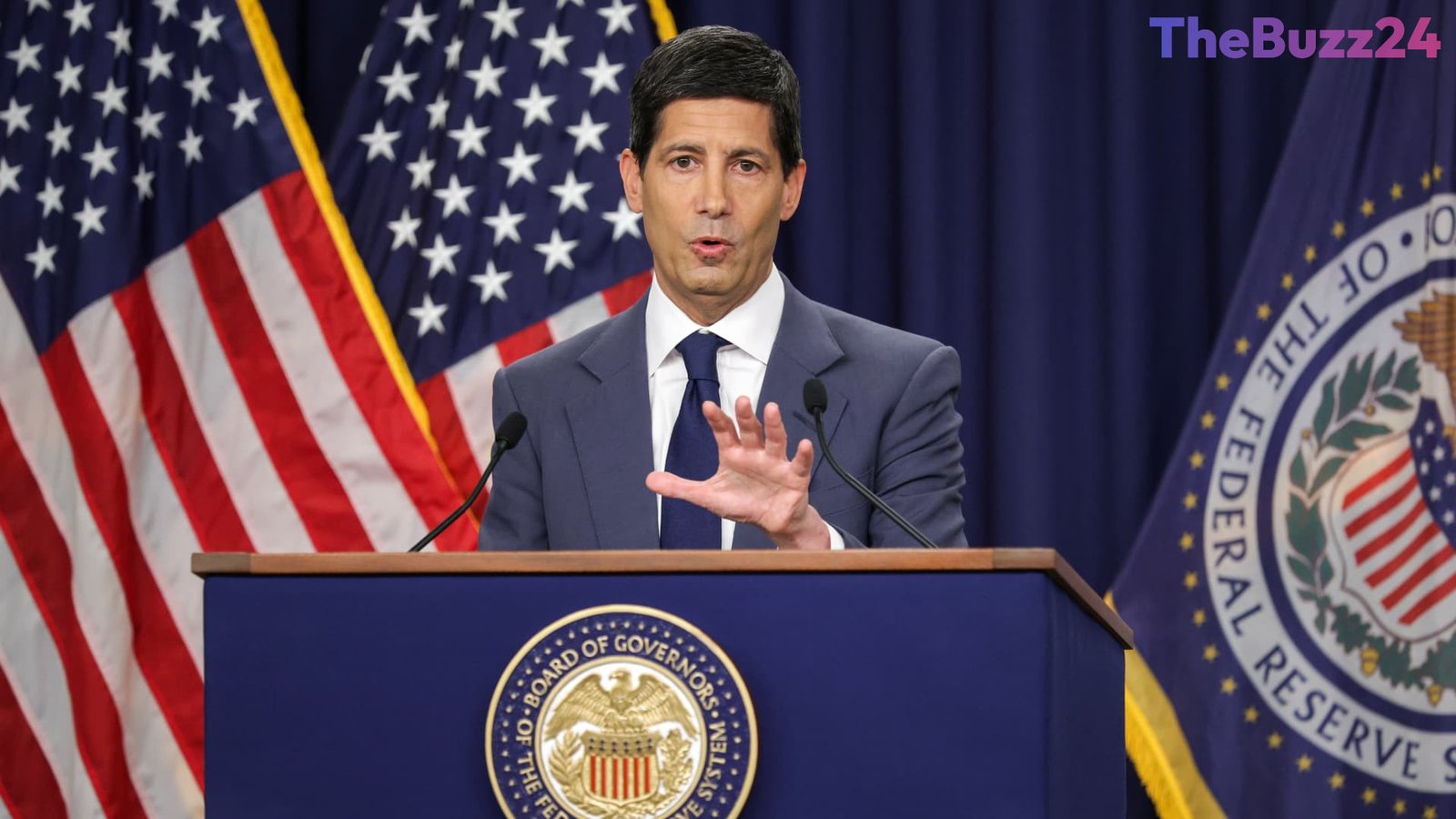
The Warsh Doctrine: How the Fed Chair is Rewriting the Rules of Market Communication
Federal Reserve Chairman Kevin Warsh is fundamentally altering the central bank’s approach to monetary policy, moving away from predictable guidance toward a strategy defined by strategic ambiguity. During the latest Federal Open Market Committee (FOMC) meeting, the Fed opted to hold interest rates steady, a decision that underscored Warsh’s preference for maintaining flexibility rather than committing to a rigid path. By refusing to provide definitive forward guidance, Warsh is effectively forcing investors to navigate a landscape where market signals are no longer guaranteed by the institution.
This shift in communication style marks a departure from the early days of Warsh’s tenure, where he often faced intense scrutiny regarding his commitment to the Fed’s 2% inflation target. By successfully navigating the skepticism surrounding his leadership, Warsh has gained the political capital to reshape the Fed’s internal operations. His recent announcement to reduce the frequency of scheduled interest rate votes is a significant structural change, designed to diminish the influence of peripheral commentary and centralize the narrative around the core committee’s objectives.
Despite his preference for keeping markets guessing, Warsh has maintained a hawkish stance, emphasizing that the Fed remains fully committed to its inflation goals. He has signaled that while financial conditions have tightened, they have not yet reached a level that would necessitate an immediate pause in potential future hikes. This approach provides him with the necessary leverage to adjust policy in December based on incoming economic data, while simultaneously insulating the Fed from the volatility often caused by excessive market speculation.
However, this new era of opacity is not without its critics. Some economists argue that by receding behind a curtain of ambiguity, the Fed risks losing the rigor that transparency provides. There is a growing concern that delaying rate adjustments in favor of a wait-and-see approach could lead to policy errors, potentially increasing the risk of a recession if inflation remains persistent. As Warsh continues to consolidate his influence, the long-term impact of his strategy remains a subject of intense debate among market participants.
Key Takeaways
- Chairman Kevin Warsh is shifting the Federal Reserve toward a policy of strategic ambiguity, intentionally keeping markets uncertain about future rate moves.
- The Fed is reducing the number of scheduled interest rate votes, a move intended to limit the impact of speculative commentary from regional Fed officials.
- While the Fed held rates steady in the latest meeting, Warsh maintains a hawkish outlook, leaving the door open for potential hikes in December depending on inflation data.
Editor’s Analysis & Impact
Kevin Warsh’s evolving strategy represents a significant pivot in central banking philosophy, moving from the ‘transparency-first’ era of his predecessors toward a more tactical, discretionary model. By devaluing the constant stream of ‘Fedspeak,’ Warsh is attempting to reclaim the Fed’s ability to act decisively without being boxed in by market expectations. The industry impact is profound: institutional investors must now rely more heavily on macroeconomic data rather than Fed rhetoric, which could lead to higher short-term volatility. The long-term implication is a more centralized, powerful Fed chair, but one that carries the heavy burden of ‘plausible deniability.’ If inflation remains sticky, Warsh’s gamble on flexibility may be viewed as a masterclass in control; if the economy slips into a recession, his lack of clear communication will likely be cited as a primary policy failure.
Frequently Asked Questions
Q: Why is the Federal Reserve reducing the number of scheduled interest rate votes?
A: The move is intended to reduce the market's reliance on frequent, often conflicting, commentary from various regional Fed officials, thereby centralizing the institution's messaging and reducing unnecessary market volatility.
Q: What is Kevin Warsh’s current stance on inflation?
A: Warsh remains committed to a strict 2% inflation target. He has indicated that while financial conditions have tightened, they are not yet restrictive enough to rule out further rate increases if inflation data remains stubborn.
AI Disclosure: This article is based on verified data and official reports. Our Team and AI have cross-referenced every financial detail with primary sources to ensure total accuracy.
More from this Category