ECB President Christine Lagarde Announces Early Departure, Triggering High-Stakes Succession Race
European Central Bank President Christine Lagarde has revealed plans to step down on February 7 of next year, cutting her tenure short by nearly nine months. Lagarde, who has led the central bank since July 2019, guided the eurozone through unprecedented economic turbulence, including the COVID-19 pandemic, supply chain disruptions, and the energy crisis sparked by the Russia-Ukraine conflict. Her decision to vacate the position ahead of the October 2027 expiration of her term marks a pivotal moment for European monetary policy.
Addressing the media, Lagarde explained that her early exit is motivated by a desire to reclaim her freedom of speech and expression. Bound by strict neutrality mandates required for central bank leaders, she expressed a growing need to engage in public discourse regarding global principles and truth outside the scope of monetary policy. Her departure also strategically precedes the upcoming French presidential election in the spring, neutralizing speculation regarding any potential political aspirations in her home country, though she has consistently downplayed intentions to run for office.
The announcement immediately initiates a complex succession race amid a delicate financial backdrop for the eurozone. France faces a mounting sovereign debt crisis, sending bond yields higher and widening spreads over German benchmarks to levels unseen since the regional debt crisis of the early 2010s. Furthermore, upcoming leadership changes at the ECB will see Chief Economist Philip Lane and Executive Board member Isabel Schnabel also depart next year, compounding the transition period.
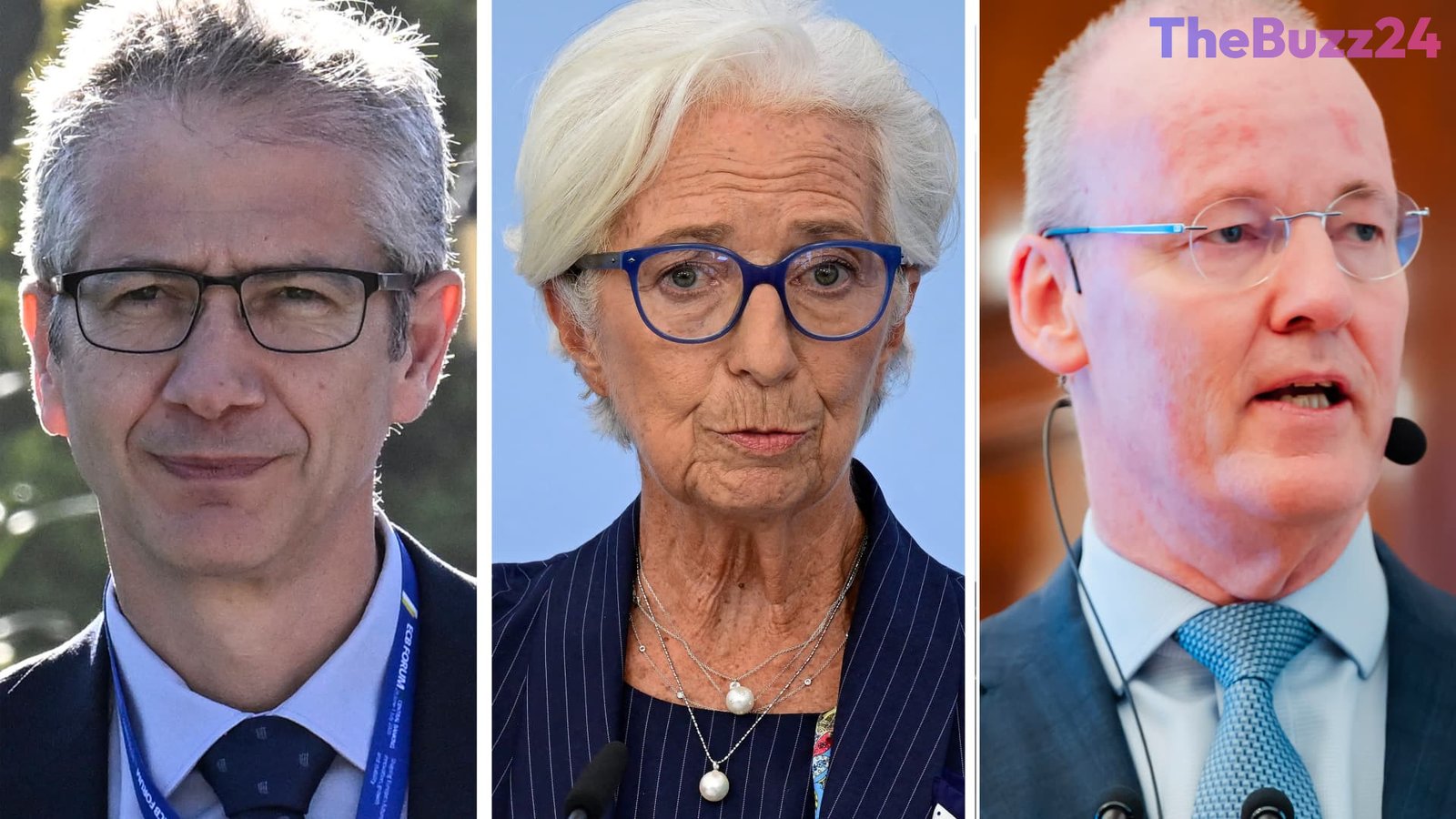
Industry analysts have pointed to Klaas Knot, former head of the Dutch central bank, and Pablo Hernández de Cos, former Bank of Spain governor and current general manager of the Bank for International Settlements, as the leading contenders to replace Lagarde. A selection will ultimately be made by the European Council following consultations with European lawmakers and member states. Observers note that Knot is perceived as holding a more hawkish stance on monetary policy, whereas De Cos is expected to represent greater continuity and a specialized focus on broader financial stability as the region navigates ongoing fiscal pressures.
Key Takeaways
- ECB President Christine Lagarde will step down on February 7, 2027, ending her term nine months early to pursue personal freedom of expression.
- The early departure precedes the French presidential election and comes amid a broader leadership transition at the ECB, with key officials also leaving.
- Klaas Knot and Pablo Hernández de Cos have emerged as the leading contenders to succeed Lagarde as the central bank navigates mounting European debt concerns.
Editor’s Analysis & Impact
Christine Lagarde’s early departure from the European Central Bank introduces a critical period of transition during a time of fragile economic recovery and escalating sovereign debt pressures within the eurozone. The upcoming succession race is not merely an administrative handover; it carries significant policy implications. The choice between a hawkish candidate like Klaas Knot and a continuity-focused figure like Pablo Hernández de Cos will heavily influence how the central bank handles peripheral bond market stress, particularly in France. Markets will closely monitor the political bargaining among European member states, as the incoming leadership must balance inflation targets with financial stability amidst rising political uncertainty across the continent.
Frequently Asked Questions
Q: When is Christine Lagarde stepping down from the ECB?
A: Christine Lagarde is scheduled to leave her position as President of the European Central Bank on February 7, roughly nine months before her official term ends in October 2027.
Q: Why is Lagarde leaving her post early?
A: Lagarde stated that she is stepping down early to gain freedom of speech and expression, allowing her to speak openly on global and non-monetary matters without the strict neutrality constraints required of an active central bank chief.
Q: Who are the primary candidates being considered to replace her?
A: The leading contenders to succeed Lagarde are Klaas Knot, former chief of the Dutch central bank, and Pablo Hernández de Cos, former governor of the Bank of Spain.
AI Disclosure: This article is based on verified data and official reports. Our Team and AI have cross-referenced every financial detail with primary sources to ensure total accuracy.
More from this Category