How America’s Only State-Owned Bank Bridge Conservative Politics and Public Ownership
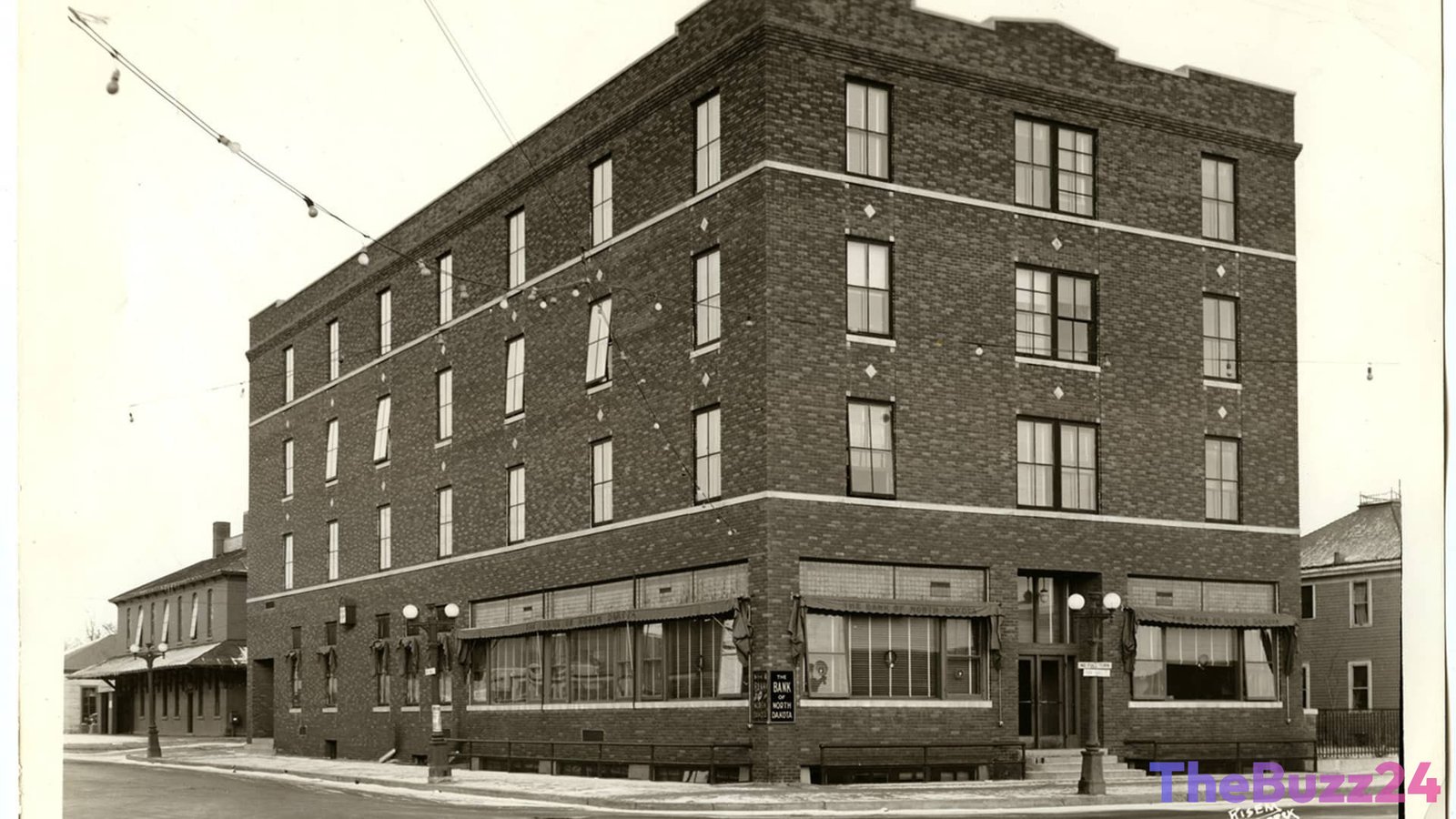
Founded in 1919 following a wave of agrarian populist fervor, the Bank of North Dakota remains the sole state-owned financial institution in the United States. Originally established by the Nonpartisan League to shield local farmers from out-of-state financial cartels, the bank has evolved into an $11 billion institution operating in one of the country’s most conservative states. Rather than competing directly with commercial lenders for retail checking and savings accounts, the public institution functions primarily as a partner for local lenders, holding state deposits and backing community banks through participation loans, disaster aid, and targeted credit programs.
Despite its socialist roots, the Bank of North Dakota enjoys overwhelming bipartisan approval among current state leadership, including Republican Governor Kelly Armstrong and United States Senators Kevin Cramer and John Hoeven. The institution’s governing framework mandates that it avoid competing with private financial institutions, acting instead to bolster local business growth and keep capital within state borders. By backing agriculture, student loans, and key infrastructure initiatives, the bank returns significant profits directly into the state general fund while enabling community lenders to participate in deals far beyond their typical balance sheet limits.
The state bank model is increasingly drawing interest from progressive lawmakers in states like Washington, California, Massachusetts, and New Mexico, who view public banking as a mechanism to reinvest local tax dollars into public infrastructure, affordable housing, and renewable energy. However, national commercial banking organizations, including the American Bankers Association, strongly oppose the replication of state-owned banks, arguing that public intervention presents unnecessary risk to taxpayers and threatens competitive market efficiency.
Beyond traditional lending, the Bank of North Dakota continues to exert significant economic influence across the region. Recent projects range from financing a $150 million bond package that saved the massive Coal Creek Station power plant from decommissioning—a facility now transitioning to support artificial intelligence data centers and bitcoin mining—to issuing a $70 million line of credit for the Theodore Roosevelt Presidential Library. Demonstrating a willingness to adopt financial technology, the institution also recently launched the Roughrider Coin, a state-level stablecoin designed to streamline real-time transfers across its network of community banks.
Key Takeaways
- The Bank of North Dakota manages roughly $11 billion in assets as the country's only operational state-owned financial institution.
- Operating as a 'bankers' bank,' the institution partners with local community lenders rather than competing against private retail banks.
- State and federal lawmakers across the political spectrum view the century-old model as a blueprint for public banking initiatives nationwide.
Editor’s Analysis & Impact
The sustained success of the Bank of North Dakota highlights a unique pragmatic intersection between public finance and private enterprise. By operating under a strict mandate that prevents direct competition with local lenders, the institution mitigates traditional commercial banking friction while retaining capital locally. As higher interest rates and credit tightening pressure municipal budgets nationwide, progressive states will likely continue pushing for public banking alternatives modeled after North Dakota’s blueprint. However, structural replication faces uphill battles due to entrenched resistance from national banking lobbyists and fears of political favoritism in capital allocation. The bank’s embrace of modern financial instruments, such as stablecoins for interbank settlement and funding for energy-intensive AI infrastructure, demonstrates that century-old public financial models can adapt to support modern economic growth.
Frequently Asked Questions
Q: What makes the Bank of North Dakota different from traditional banks?
A: Unlike commercial banks, the Bank of North Dakota is fully owned and operated by the state. It primarily holds state tax deposits and acts as a wholesale partner to community banks rather than serving retail checking and savings customers directly.
Q: Does the Bank of North Dakota compete with private local banks?
A: No. The bank's founding statutes prohibit direct competition with private in-state financial institutions. Instead, it co-funds large loans, backs local agricultural and student lending, and helps community banks finance projects beyond their individual lending limits.
Q: Why are other states interested in public banking?
A: Lawmakers in states like Washington, California, and Massachusetts see public banking as a way to keep taxpayer dollars within local communities, lower municipal infrastructure financing costs, and fund social programs without relying on Wall Street institutions.
AI Disclosure: This article is based on verified data and official reports. Our Team and AI have cross-referenced every financial detail with primary sources to ensure total accuracy.
More from this Category