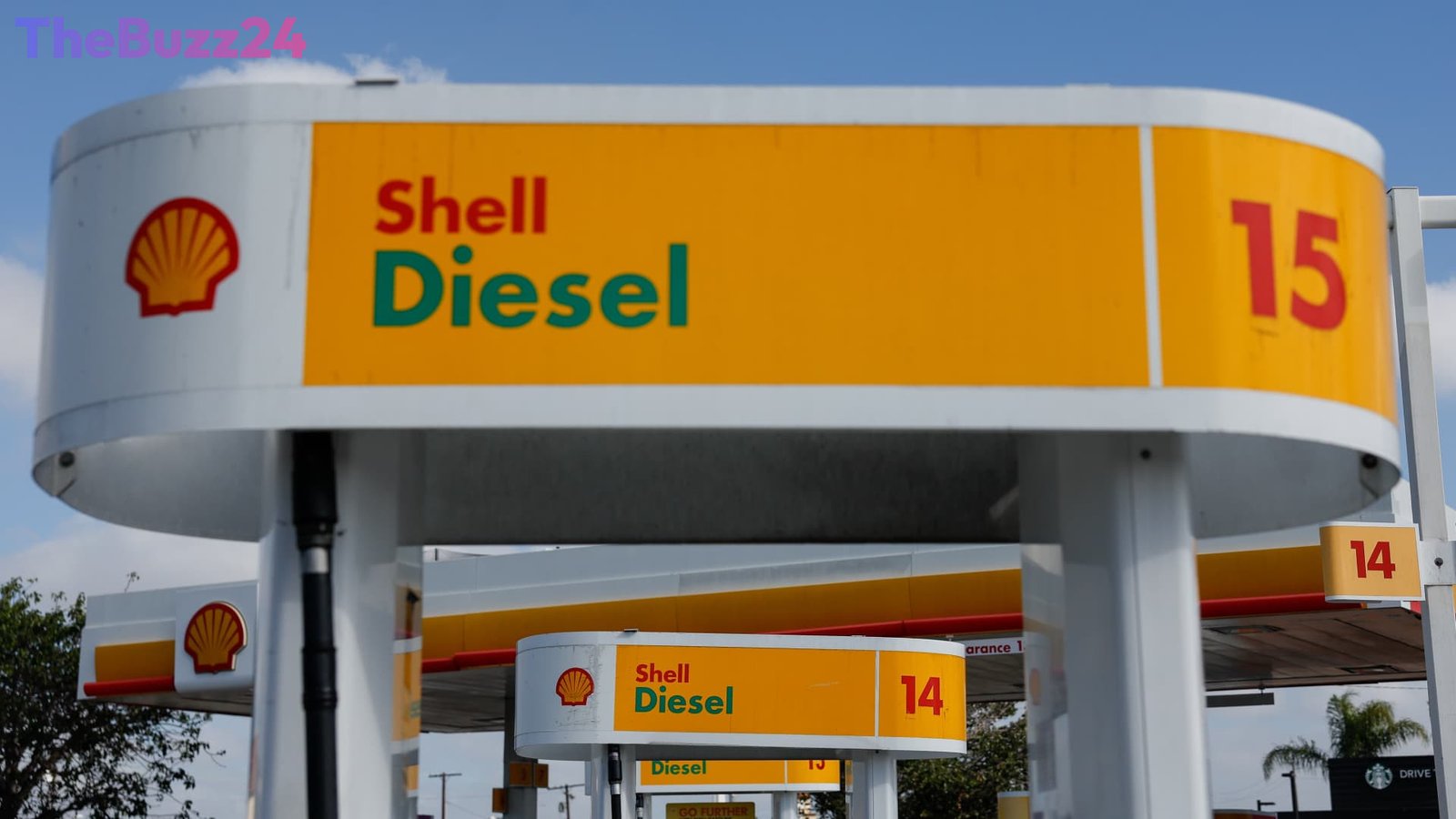
Shell’s Profits Skyrocket as Refining Margins Hit Record High Amidst Global Fuel Squeeze
Energy giant Shell has reported a significant surge in its adjusted quarterly earnings, nearly doubling year-on-year to $10.81 billion. This figure not only surpassed analyst expectations but also marked the company’s most robust profit since the second quarter of 2022. The impressive financial performance was largely driven by record-breaking indicative refining margins, which reached an unprecedented $42 per barrel.
These soaring margins are a direct consequence of a global tightening in refined fuel supplies, exacerbated by geopolitical tensions in the Middle East and disruptions at Russian refineries. The company’s CEO, Wael Sawan, highlighted strong operational performance amidst what he described as “continued severe disruption to the global energy system.” In response to the strong results and positive outlook, Shell announced an increased share buyback program of $5 billion for the upcoming quarter, a notable rise from the $3 billion allocated in the previous period. This news propelled Shell shares to an all-time high, with a 3% increase following the earnings release.
The broader energy industry is experiencing similar trends, with companies like TotalEnergies also reporting substantial profit increases attributed to historically high refining margins worldwide. The volatile crude oil market, influenced by ongoing conflicts and attacks on shipping routes, has seen benchmark Brent Crude prices climb significantly compared to the previous year. This price volatility, coupled with a global deficit in refining capacity, has led to a sharp increase in the cost of essential fuels like gasoline and diesel, impacting consumers globally. Governments are taking notice, with the G7 agreeing to release emergency diesel stocks to mitigate the impact of surging pump prices.
Key Takeaways
- Shell's quarterly profit nearly doubled to $10.81 billion, exceeding analyst forecasts.
- Record refining margins of $42 per barrel were driven by global supply disruptions and geopolitical events.
- The company announced an increased $5 billion share buyback program, and its stock reached an all-time high.
Editor’s Analysis & Impact
Shell’s exceptional quarterly results underscore the significant impact of current geopolitical instability and supply chain constraints on the energy sector. Record refining margins, driven by a confluence of factors including Middle Eastern conflicts and Russian refinery issues, have created a highly profitable environment for major oil companies. This trend, mirrored by competitors like TotalEnergies, suggests a robust period for the refining segment of the industry. While beneficial for corporate profits and shareholder returns, as evidenced by Shell’s increased buyback program, the surge in fuel prices poses considerable challenges for consumers and economies worldwide. The company’s strategic decision to lower its long-term capital expenditure outlook, alongside continued portfolio adjustments, indicates a focus on optimizing existing assets and pursuing targeted growth rather than broad expansion.
Frequently Asked Questions
Q: What are refining margins?
A: Refining margins represent the difference between the price of crude oil and the price of the refined products (like gasoline, diesel, and jet fuel) that are produced from it. They indicate the profitability of the refining process for oil companies.
Q: Why have refining margins increased so dramatically?
A: Margins have surged due to a combination of factors, including reduced global refining capacity (from plant closures and maintenance), increased demand for refined products, and disruptions to supply chains caused by geopolitical events and conflicts, particularly in the Middle East and impacting Russian refinery operations.
Q: What is a share buyback program?
A: A share buyback program is when a company repurchases its own shares from the open market. This can reduce the number of outstanding shares, potentially increasing earnings per share and signaling the company's confidence in its financial health and future prospects.
AI Disclosure: This article is based on verified data and official reports. Our Team and AI have cross-referenced every financial detail with primary sources to ensure total accuracy.
More from this Category