Waymo’s Global Ambitions Clash with Mounting Financial Pressures
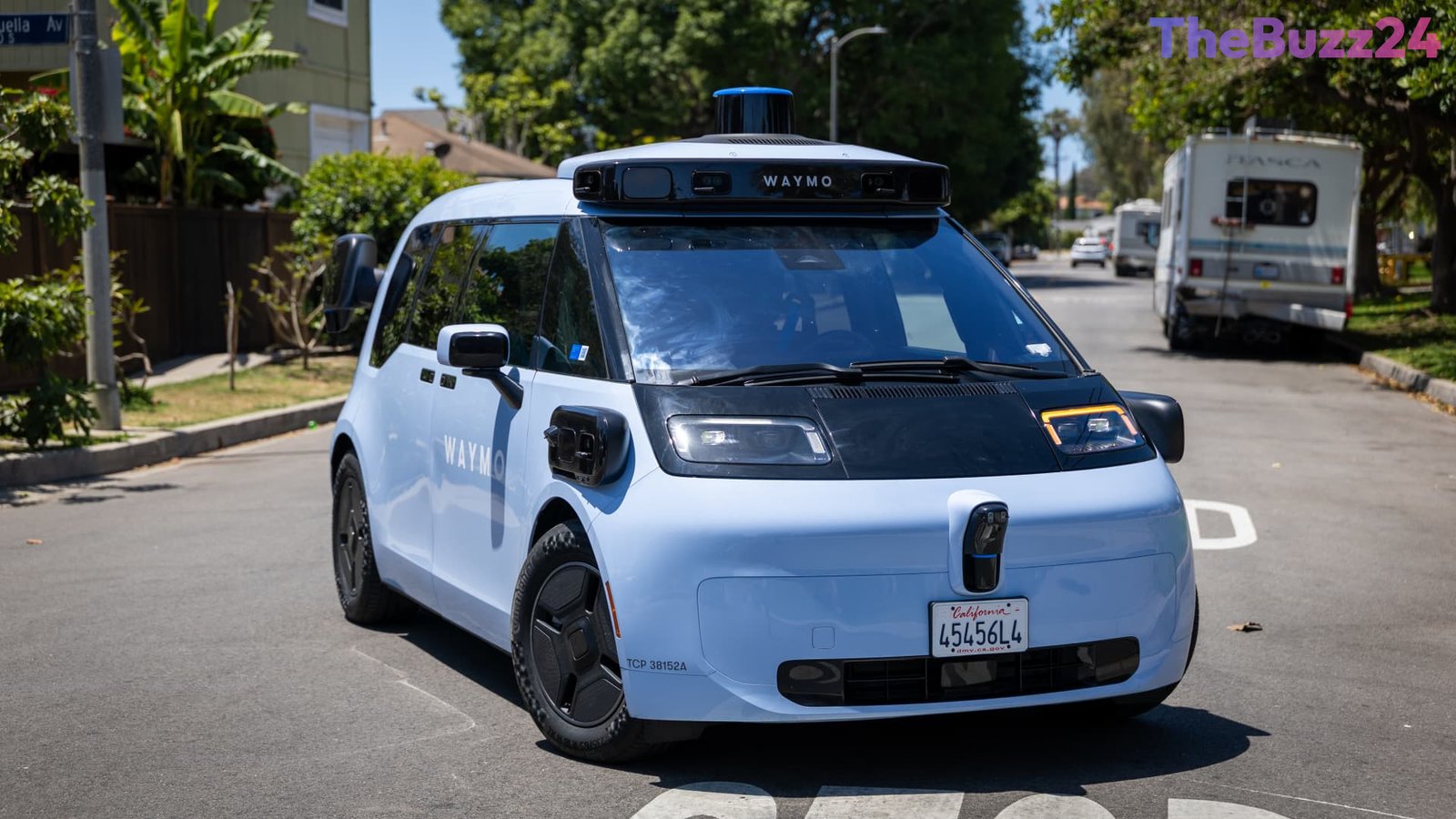
Alphabet’s autonomous driving unit, Waymo, continues to aggressively scale its operations across the United States and international markets, even as the business remains a significant financial drain on its parent company. During the most recent fiscal quarter, the ‘Other Bets’ segment—which houses Waymo—reported $372 million in revenue. While this represents an 8% year-over-year increase, it accounts for a mere 0.3% of Alphabet’s total quarterly sales, highlighting the company’s ongoing struggle to turn its technological lead into a meaningful revenue stream.
The cost of maintaining this dominance is substantial. Operating losses for the segment ballooned to $2.05 billion, up from $1.43 billion in the same period last year. Despite these losses, Alphabet CEO Sundar Pichai remains committed to the venture, noting that Waymo now operates in 15 major U.S. cities, with recent public service launches in San Antonio, San Diego, and Tampa. The company is also eyeing a global footprint, with expansion plans targeting Canada, Germany, Singapore, and Spain, including a specific goal to launch robotaxi services in Germany by 2027.
Waymo currently faces a complex competitive landscape, contending with domestic rivals like Amazon’s Zoox and Tesla, as well as international players such as Baidu’s Apollo Go. To sustain its rapid growth and infrastructure needs, Waymo recently secured a $5 billion term loan, marking its first foray into debt financing. This follows a massive $16 billion funding round earlier this year that valued the unit at $126 billion. As Alphabet pivots its capital toward heavy investment in artificial intelligence infrastructure, the pressure is mounting for Waymo to prove that its 300 million miles of autonomous driving experience can eventually translate into sustainable profitability.
Key Takeaways
- Waymo’s revenue remains a negligible fraction of Alphabet’s total earnings, contributing only 0.3% of the company's quarterly sales.
- The 'Other Bets' segment reported an operating loss of over $2 billion, reflecting the high capital intensity of scaling autonomous vehicle fleets.
- Despite financial losses, Waymo is aggressively pursuing international expansion, with plans to enter markets in Europe and Asia by 2027.
Editor’s Analysis & Impact
Waymo sits at a critical juncture where technological leadership is being tested by the harsh realities of capital allocation. While the company has successfully established itself as the frontrunner in the U.S. robotaxi market, the widening operating losses present a narrative challenge for Alphabet. Investors are increasingly sensitive to the ‘cash-burning’ nature of these long-term bets, especially as Alphabet simultaneously funnels massive capital into AI infrastructure. The future of Waymo depends on its ability to achieve unit economics that justify its $126 billion valuation. If the company cannot demonstrate a clear path to profitability as it scales internationally, Alphabet may face increased pressure from shareholders to curb spending or spin off the unit. The competition from Tesla and other global players suggests that the window to capture market share is narrowing, forcing Waymo to balance rapid expansion with fiscal discipline.
Frequently Asked Questions
Q: How much revenue did Waymo generate in the most recent quarter?
A: Waymo, as part of Alphabet's 'Other Bets' segment, generated $372 million in revenue during the third quarter.
Q: What is the primary financial concern regarding Waymo?
A: The primary concern is that Waymo is a 'cash-burning' business, with the 'Other Bets' segment reporting an operating loss of $2.05 billion for the quarter, significantly outpacing its revenue growth.
Q: What are Waymo's international expansion plans?
A: Waymo is planning to expand its services into Canada, Germany, Singapore, and Spain, with a specific target to launch robotaxi operations in Germany by 2027.
AI Disclosure: This article is based on verified data and official reports. Our Team and AI have cross-referenced every financial detail with primary sources to ensure total accuracy.
More from this Category