Former Palantir Executives Secure $17 Million to Transform Construction With AI World Models
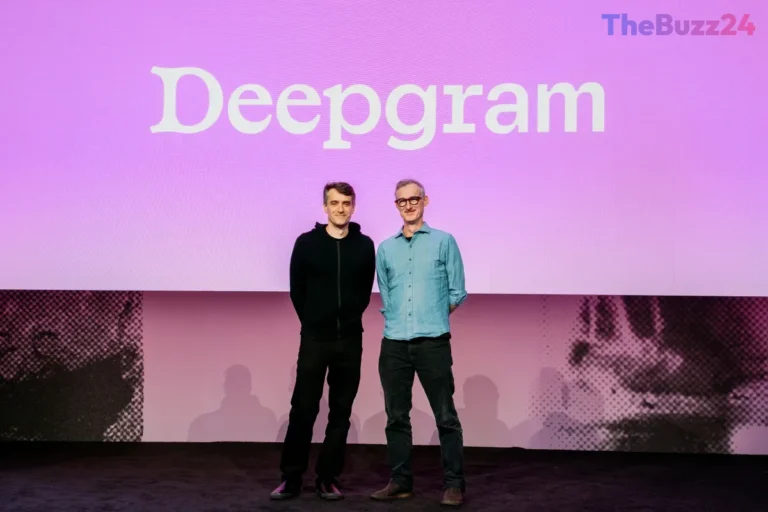
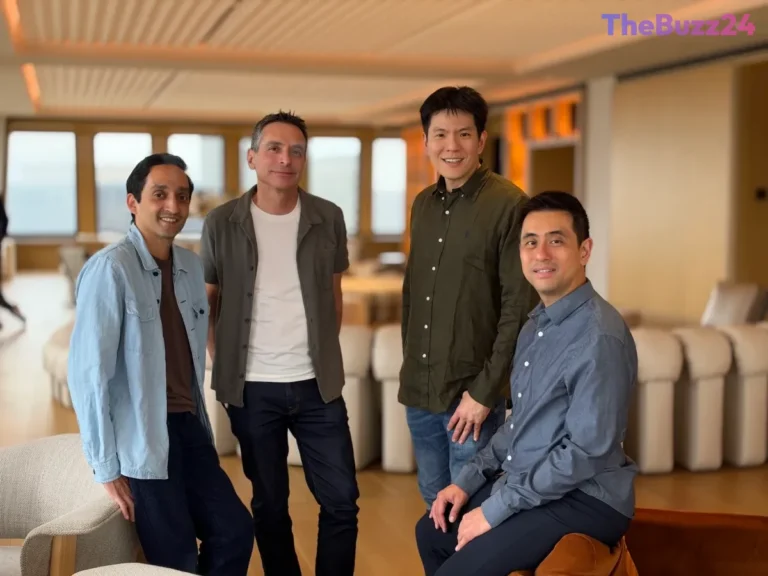
A pair of former Palantir executives have officially launched a new venture called Dream, aimed at modernizing the architecture, engineering, and construction sectors using advanced artificial intelligence. The startup has successfully emerged from stealth mode backed by $17 million in seed funding, spearheaded by prominent venture capital firm Andreessen Horowitz, alongside contributions from SV Angel, XYZ, and Zigg Capital. The founders, who spent a decade at Palantir following their time studying computer science together at Stanford, observed a stark paradox in modern progress: while digital technology has advanced exponentially, the physical capability to construct buildings in the United States has actually slowed down due to skyrocketing costs.
Traditional workflows in the architecture and engineering space rely heavily on legacy software platforms such as Autodesk’s AutoCAD and Revit, where professionals manually draft structural components piece by piece with virtually no automated assistance. To address this bottleneck, Dream is introducing proprietary built world models that leverage what the company calls ‘structural cognition.’ Unlike standard generative AI systems that merely produce aesthetically pleasing images without engineering validity, Dream’s technology is trained on over 100 million square feet of official permit archive data spanning the United States. This rigorous training grounds the software in real-world physics, building codes, and safety standards.
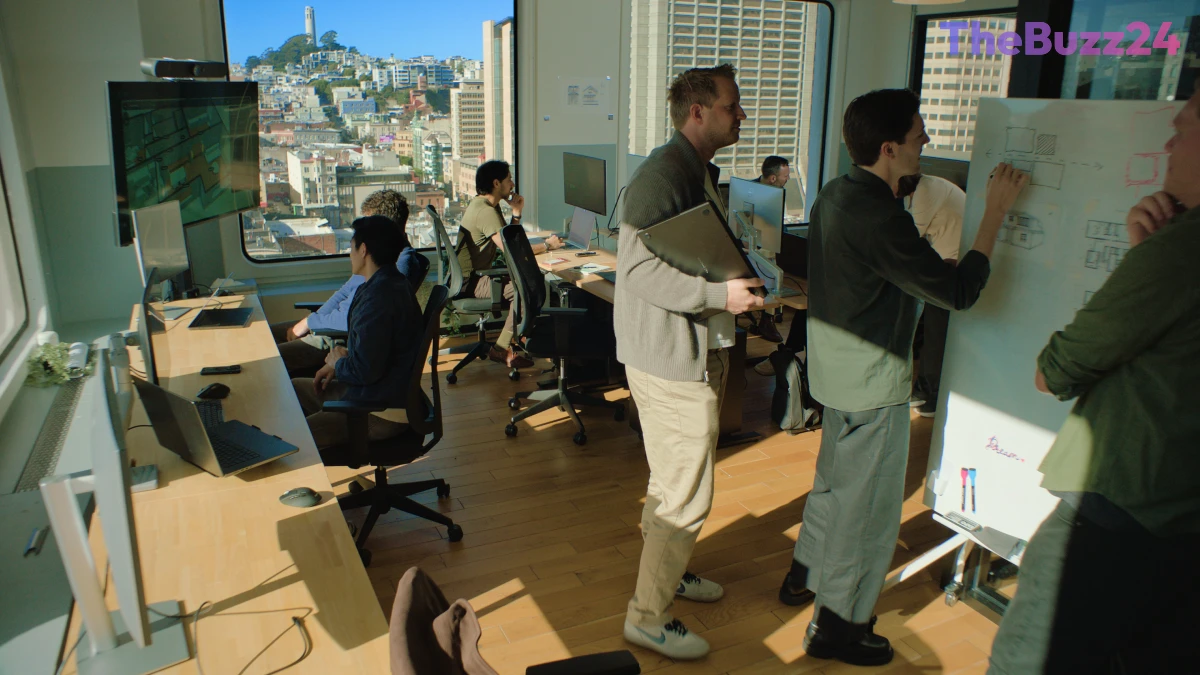
The newly developed platform is designed to understand the intricate components hidden behind walls, calculating material specifications, beam load capacities, plumbing layouts, and HVAC integration. By automating these complex engineering and design tasks, the software allows developers and architecture professionals to conceptualize blueprints and generate precise cost estimations rapidly. The system is already operational across ten active real estate and construction projects situated in Texas and California. Although a handful of other technology startups are exploring ways to bring automation to computer-aided design, the founders emphasize that their unique world model approach distinguishes them by offering instantaneous, whole-building structural layouts.
Key Takeaways
- Dream launched with $17 million in seed funding led by Andreessen Horowitz.
- The startup was founded by former Palantir executives aiming to disrupt the architecture, engineering, and construction industries.
- The platform uses AI trained on over 100 million square feet of permit data to generate physically sound, complete building designs.
Editor’s Analysis & Impact
The emergence of Dream highlights a broader, much-needed technological shift within the trillion-dollar construction and real estate sector, which has historically resisted digital disruption and relied on decades-old software. By applying physical world models rather than superficial generative imaging, the startup addresses the rigorous safety, compliance, and logistical complexities inherent to physical engineering. If successful, this approach could drastically shorten project lifecycles, lower surging development costs, and alleviate labor constraints within urban planning and architecture. The strong institutional backing from Andreessen Horowitz indicates surging investor appetite for verticalized AI applications that solve tangible, heavy-industry problems rather than consumer-facing novelties. However, long-term adoption will depend heavily on overcoming deeply ingrained industry habits and building trust among conservative engineering professionals.
Frequently Asked Questions
Q: What is Dream and what does it do?
A: Dream is a technology startup that develops AI-powered world models designed to automate architectural design and engineering for the construction industry.
Q: How much funding did Dream raise in its seed round?
A: Dream emerged from stealth with $17 million in seed funding led by Andreessen Horowitz, with participation from SV Angel, XYZ, and Zigg Capital.
Q: How does Dream differ from standard AI image generators?
A: While standard generative AI tools can create pictures of buildings without regard for structural integrity, Dream's model is trained on real physics, construction standards, and over 100 million square feet of permit data to ensure structurally sound and compliant designs.
AI Disclosure: This article is based on verified data and official reports. Our Team and AI have cross-referenced every financial detail with primary sources to ensure total accuracy.
More from this Category