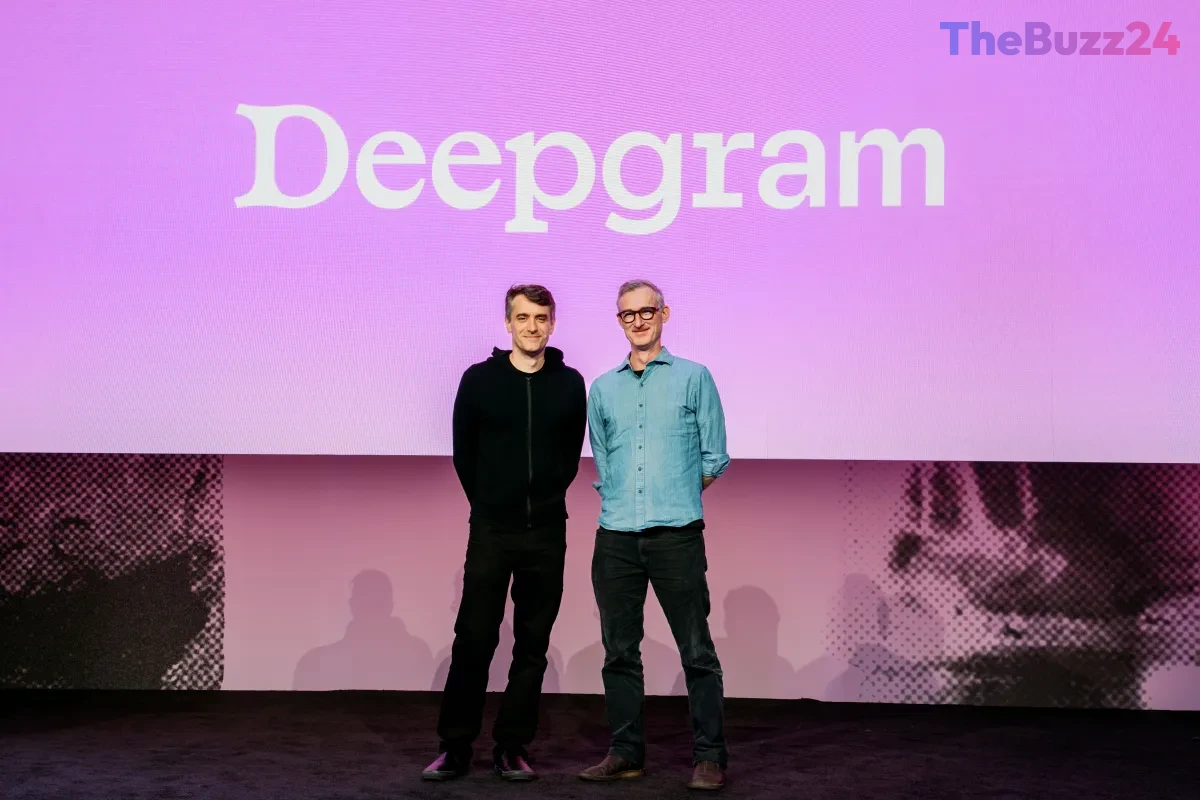
Deepgram Expands Voice AI Dominance with Acquisition of Daily
In a strategic move to solidify its position in the rapidly evolving voice AI sector, Deepgram has announced the acquisition of Daily, the developer behind the widely used open-source framework Pipecat. While the financial terms of the transaction remain undisclosed, both organizations have confirmed that Pipecat will continue to operate as an open-source project, maintaining its role as a critical infrastructure tool for managing voice and video streams.
Pipecat serves as a sophisticated orchestration layer that integrates speech-to-text, large language models, and text-to-speech capabilities while minimizing latency. By bringing Daily into its fold, Deepgram aims to enhance its real-time communication infrastructure. The two companies, which share a history as part of the same 2016 Y Combinator cohort, intend to leverage this synergy to provide developers with more expressive, end-to-end speech systems that are vendor-neutral and highly flexible.
Beyond the acquisition, the companies are introducing the Real-Time Context Standard (RCS), an open protocol designed to standardize metadata for voice agents. This protocol allows for more nuanced interactions, such as interpreting audio whispers or providing specific instructions to language models regarding tone and response style. This development marks a significant shift for Deepgram, as it moves beyond traditional voice toolkits toward building comprehensive, AI-native software environments.
Deepgram’s leadership emphasized that the goal is to foster an open ecosystem where developers can utilize the best available models for their specific use cases. By maintaining Pipecat’s open-source status, the company hopes to encourage broader adoption of voice agent technology, allowing for a more modular and interoperable future in AI-driven communication.
Key Takeaways
- Deepgram has acquired Daily, the creator of the popular open-source voice and video AI framework, Pipecat.
- The Pipecat framework will remain open-source, ensuring vendor neutrality and continued accessibility for developers.
- The companies are launching the Real-Time Context Standard (RCS) to improve how voice agents process metadata and environmental context.
Editor’s Analysis & Impact
The acquisition of Daily by Deepgram represents a critical consolidation in the voice AI infrastructure market. As the industry moves from experimental chatbots to sophisticated, real-time voice agents, the ‘plumbing’—or orchestration layer—becomes as valuable as the AI models themselves. By securing Pipecat, Deepgram is positioning itself as the foundational layer for AI-native software, effectively creating a ‘context bus’ that allows developers to swap in various LLMs and speech models without being locked into a single vendor. This move is a direct challenge to competitors in the infrastructure space, such as LiveKit and Vapi. The long-term implication is a more standardized, interoperable ecosystem where the focus shifts from model training to the seamless, low-latency execution of AI agents in real-world, high-stakes communication environments.
Frequently Asked Questions
Q: What is Pipecat?
A: Pipecat is an open-source framework that manages voice and video streams, connecting various components like speech-to-text, large language models, and text-to-speech to create real-time AI agents.
Q: Will Pipecat remain open-source after the acquisition?
A: Yes, both Deepgram and Daily have confirmed that Pipecat will continue to be maintained as an open-source project to ensure it remains vendor-neutral.
AI Disclosure: This article is based on verified data and official reports. Our Team and AI have cross-referenced every financial detail with primary sources to ensure total accuracy.
More from this Category