G20 Scraps Official Group Photo After European Diplomats Boycott Russian Foreign Minister
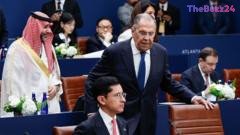
The traditional G20 ‘family photo’ was called off during the Foreign Ministers’ Meeting in Atlanta after European diplomats firmly declined to pose alongside Russian Foreign Minister Sergei Lavrov. Hosted by US Secretary of State Marco Rubio, the gathering of the world’s leading economies faced immediate diplomatic friction over the ongoing conflict in Ukraine and shifting international alliances.
British officials and other European representatives made it clear they would not participate in any joint imagery featuring high-ranking Russian officials, citing a strict policy against direct engagement since the 2022 invasion. To prevent the ceremonial snapshot from overshadowing substantive geopolitical discussions, American organizers opted to scrap the photo opportunity entirely.
The cancellation unfolds against a backdrop of complex geopolitical maneuvering. While European allies maintain staunch opposition to Moscow, recent weeks have seen a partial thaw between Washington and the Kremlin. The US administration temporarily waived certain sanctions to secure a Russian diesel import agreement aimed at lowering domestic fuel prices ahead of upcoming midterm elections.
This economic arrangement has drawn sharp criticism from Kyiv and European capitals, with Ukrainian leadership condemning the move as financial support for an ongoing war. Meanwhile, the US maintains that easing specific restrictions is a calculated strategy to keep Russian negotiators engaged in peace talks, even as intensified aerial attacks continue to batter Ukrainian infrastructure.
Key Takeaways
- The G20 family photo was cancelled after European diplomats refused to stand with Russia's Foreign Minister Sergei Lavrov.
- US Secretary of State Marco Rubio hosted the meeting in Atlanta, ultimately deciding to scrap the photo to keep focus on substantive talks.
- Tensions remain high as European allies criticize recent US-Russia diplomatic and economic arrangements regarding diesel imports and sanctions.
Editor’s Analysis & Impact
The cancellation of the G20 group photo underscores the deep fractures still plaguing multilateral forums in the wake of the Russia-Ukraine war. As Western allies struggle to present a unified front against Moscow, competing domestic priorities—such as US midterm elections and domestic fuel prices—are forcing subtle shifts in foreign policy. The divergence between Washington’s pragmatic approach to energy imports and Europe’s steadfast diplomatic isolation of Russian officials highlights a growing transatlantic strategy gap. Moving forward, such friction threatens to paralyze traditional diplomatic institutions, rendering major international summits increasingly symbolic rather than consensus-driven.
Frequently Asked Questions
Q: Why was the G20 group photo cancelled?
A: The photo was cancelled because several European delegations, including the UK, refused to participate in a joint picture alongside Russian Foreign Minister Sergei Lavrov.
Q: Who hosted the G20 Foreign Ministers' Meeting?
A: The meeting was hosted in Atlanta by US Secretary of State Marco Rubio.
Q: Why has US-Russia policy recently faced criticism from Europe?
A: European allies and Ukraine have heavily criticized the US for waiving certain sanctions and agreeing to import Russian diesel, viewing it as financial relief for Moscow during the ongoing war.
AI Disclosure: This article is based on verified data and official reports. Our Team and AI have cross-referenced every financial detail with primary sources to ensure total accuracy.
More from this Category