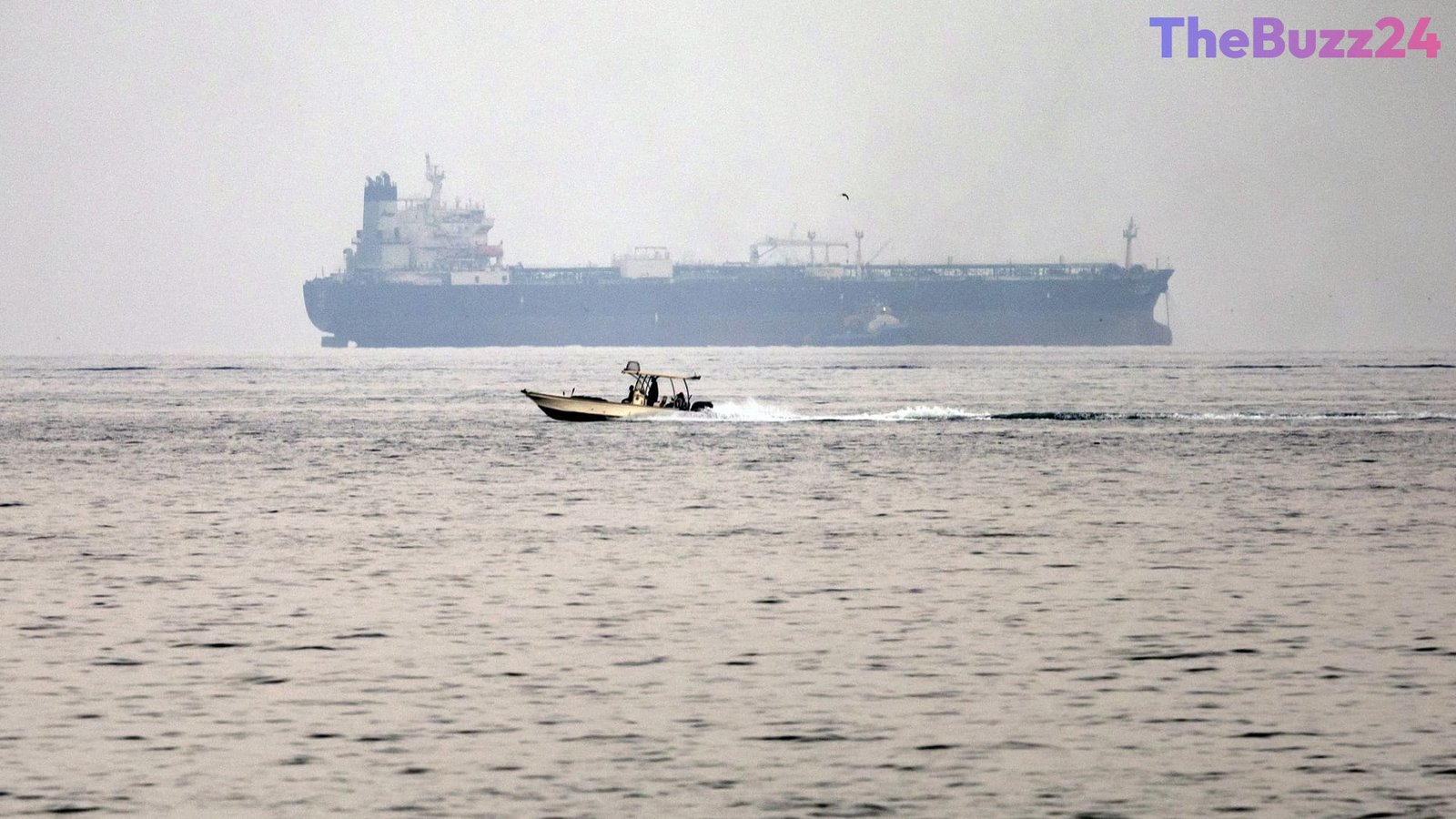
Crude Oil Keeps Flowing Through Strait of Hormuz Despite Surge in Wartime Attacks
Despite experiencing the highest volume of commercial vessel attacks since the onset of the conflict with Iran, oil tankers continue to maintain substantial crude exports through the vital Strait of Hormuz. In stark contrast to the dramatic plunge in exports witnessed back in March, the global shipping industry has demonstrated remarkable resilience by adapting its operational strategies to navigate the perilous waters of the Persian Gulf.
Security conditions in the region have deteriorated significantly, resulting in dozens of vessels being struck and multiple seafarers injured as attacks doubled over a single month. This escalation has driven international Brent crude prices to surge past $117 a barrel. However, actual crude exports through the strait have remained relatively stable, hovering near 11.1 million barrels per day for most of the month, largely due to increased military escorts and innovative logistical adaptations by maritime operators.
To mitigate risks, shipping companies have implemented complex shuttle systems, utilizing tankers that sail through the strait with transponders deactivated to transfer crude to vessels waiting safely in the Gulf of Oman. While this operational workaround has successfully kept global energy markets supplied, it comes at an exorbitant financial price. Surging freight rates, skyrocketing insurance expenses, and logistical inefficiencies have dramatically inflated transportation costs, severely squeezing profit margins for Asian refiners and altering traditional trade dynamics in the global energy sector.
Key Takeaways
- Crude oil flows through the Strait of Hormuz have remained remarkably resilient despite a record number of wartime attacks on commercial tankers in October.
- The shipping industry adapted by deploying a costly and logistically complex shuttle system, transferring cargo outside the danger zone to reduce risks.
- Soaring freight rates and security expenses have drastically increased transportation costs, putting pressure on profit margins for refineries in Asia.
Editor’s Analysis & Impact
The ongoing crisis in the Strait of Hormuz underscores the extraordinary adaptability of the global maritime supply chain under extreme geopolitical pressure. While the implementation of a shuttle system has successfully prevented a catastrophic energy shortage, the financial toll is unsustainable in the long term. Freight rates exceeding $900,000 per day highlight how wartime logistics fundamentally distort normal market mechanics, turning transportation into a massive component of delivered crude costs. Furthermore, the heavy reliance on U.S. military air cover leaves this fragile stability vulnerable to political shifts and shifting defense priorities. If political pressure forces a drawdown or change in military strategy, the entire supply corridor could face immediate disruption, injecting severe volatility back into international energy markets.
Frequently Asked Questions
Q: Why didn't oil exports crater in October like they did in March?
A: Unlike the initial shock in March when exports plummeted by nearly 90%, the shipping industry has since adapted its operations by implementing shuttle systems, utilizing military escorts, and absorbing higher risk tolerances driven by lucrative commercial incentives.
Q: How does the shuttle system for oil tankers work?
A: Tankers load crude at Persian Gulf ports and sail through the Strait of Hormuz with their transponders turned off. They then transfer their cargo to waiting tankers in the Gulf of Oman, which subsequently deliver the oil to refiners in Asia while minimizing exposure to high-risk zones.
Q: What is the main driver behind rising shipping and crude costs?
A: The combination of constant attacks, soaring insurance rates, and inefficient logistics has caused supertanker hire rates to explode, pushing transportation costs significantly higher per barrel of crude oil.
AI Disclosure: This article is based on verified data and official reports. Our Team and AI have cross-referenced every financial detail with primary sources to ensure total accuracy.
More from this Category