Treasury Boosts Series I Bond Rate to 5.51% Amid Inflation Concerns
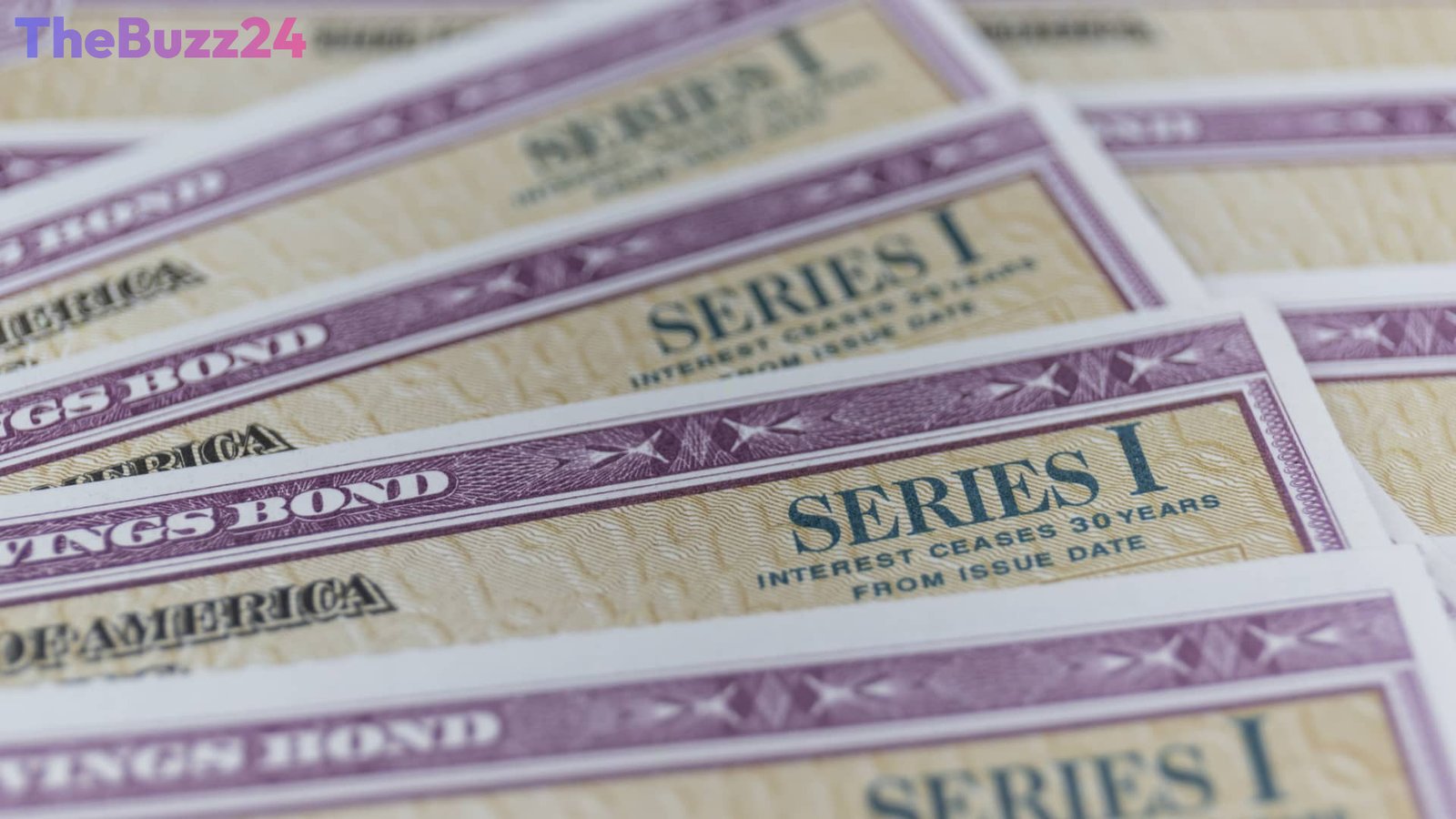
The U.S. Department of the Treasury has announced a significant increase in the interest rate for Series I savings bonds, setting the new rate at 5.51% for bonds issued between November 1 and April 30. This marks a notable rise from the previous 4.26% rate applicable through October 31, offering a more attractive yield for savers.
The newly announced rate is composed of a variable component tied to inflation, currently at 4.08%, and a fixed rate of 1.40%. This fixed rate is the highest it has been since 2006, reflecting a strategic adjustment by the Treasury. The composite rate of 5.51% is a direct response to recent inflation data, which saw the consumer price index rise by 3.7% in September.
This adjustment comes as inflation indicators show persistent upward pressure, with factors such as energy costs, geopolitical events, and strong consumer demand contributing to rising prices. The one-year inflation outlook, as surveyed by the New York Fed, has also climbed, indicating consumer expectations of continued price increases. While I bond rates previously reached a record high of 9.62% in May 2022 during the peak of post-pandemic inflation, the current increase suggests a potential return of investor interest to these government-backed securities.
For existing I bond holders, the rate adjustment will be applied based on their individual purchase dates, with the variable rate changing every six months while the fixed rate remains constant for the life of the bond. These bonds offer interest for up to 30 years, though they cannot be redeemed within the first year of purchase, and redeeming them within five years incurs a penalty of the last three months’ interest.
Key Takeaways
- Series I bonds will now offer a 5.51% annual interest rate from November 1 through April 30.
- The new rate includes a higher fixed component of 1.40%, the highest since 2006, alongside a variable inflation-linked rate.
- The increase reflects ongoing inflation concerns and aims to make these government savings bonds more appealing to investors.
Editor’s Analysis & Impact
The Treasury’s decision to raise the Series I bond rate signals a continued concern over inflation, even as it shows signs of cooling. The elevated fixed rate is a particularly strong signal, suggesting the Treasury anticipates inflation to remain a factor. This move could re-attract investors who may have previously cashed out their I bonds when rates were lower. For consumers, it presents a relatively safe haven for savings, offering a yield that aims to outpace inflation. The attractiveness of I bonds will likely depend on future inflation trends and the Federal Reserve’s monetary policy decisions.
Frequently Asked Questions
Q: How often are Series I bond rates updated?
A: Series I bond rates are adjusted every six months by the U.S. Treasury, in May and November. The rate is composed of a fixed rate and a variable rate tied to inflation.
Q: Can I cash out my Series I bonds immediately?
A: No, Series I bonds cannot be redeemed for at least one year after purchase. If redeemed within five years, you will forfeit the last three months of interest.
Q: What is the difference between the fixed and variable rates on I bonds?
A: The variable rate changes every six months based on inflation (Consumer Price Index), while the fixed rate is set at the time of purchase and remains the same for the life of the bond.
AI Disclosure: This article is based on verified data and official reports. Our Team and AI have cross-referenced every financial detail with primary sources to ensure total accuracy.
More from this Category