Michigan Senate Race Shaken: Dem Rep. Stevens Endorses GOP’s Rogers Over Party Nominee El-Sayed
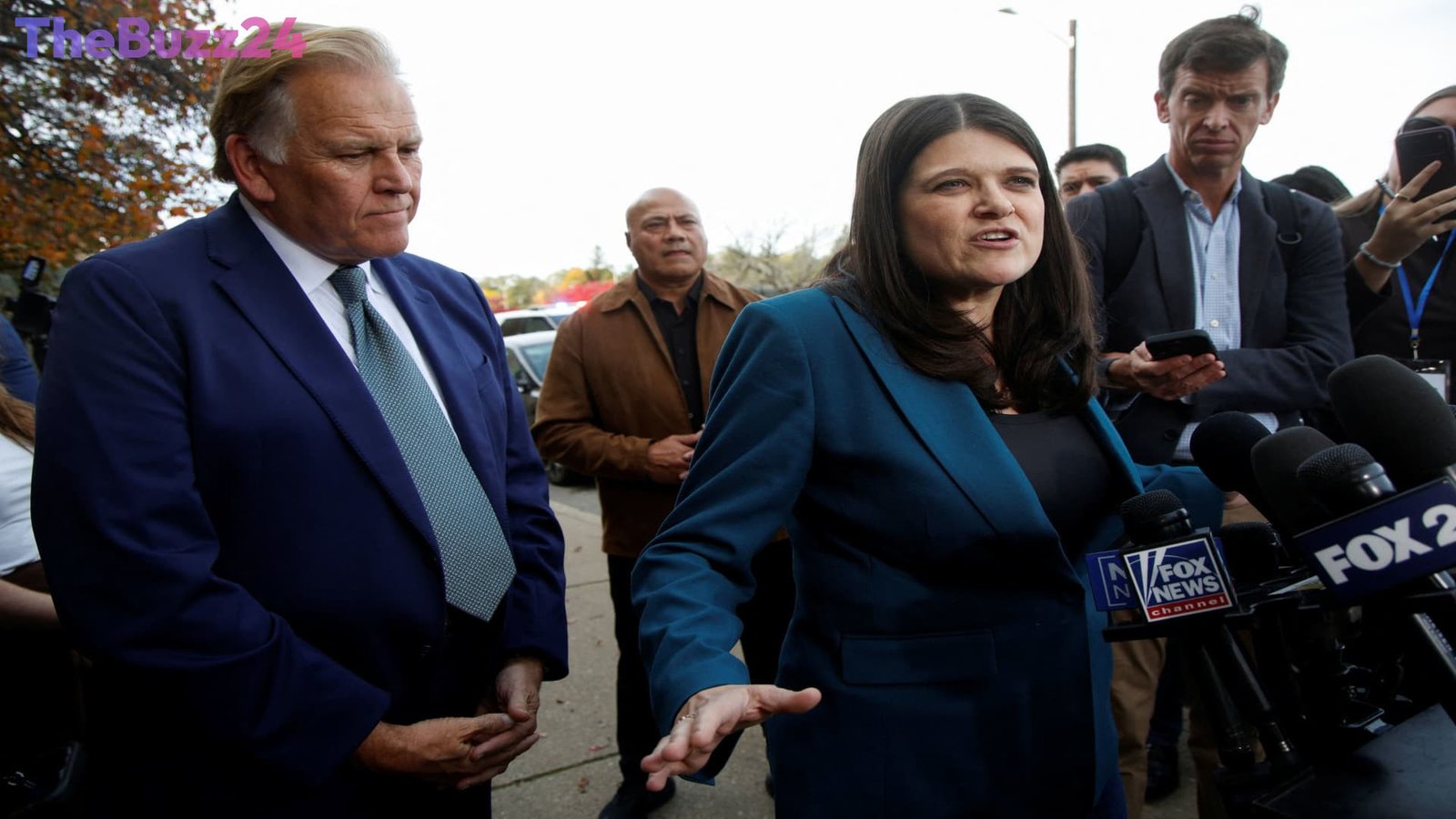
In a dramatic political development just days before the election, Michigan Democratic Representative Haley Stevens has publicly endorsed Republican Senate candidate Mike Rogers, bypassing her party’s nominee, Abdul El-Sayed. The announcement, made on Sunday, has sent shockwaves through the state’s political landscape and highlights deep divisions within the Democratic party.
Stevens, who lost the Democratic primary nomination to El-Sayed earlier this year, stated her decision stemmed from escalating tensions and disagreements, particularly concerning an advertisement by a political action committee, Rebellion PAC. The ad, which touched on U.S. support for Israel and its implications for grocery costs, drew criticism from El-Sayed’s campaign, which denied any affiliation. Stevens expressed her regret for any upset caused by her decision, acknowledging the divided sentiments.
“I don’t belong in Abdul’s campaign. I do not stand with Hasan Piker, who gets trafficked on our college campuses,” Stevens declared in a video statement, referencing a controversial political commentator who has campaigned with El-Sayed. Her endorsement of Rogers, a former congressman, marks a significant departure from her party’s alignment and comes at a critical juncture as the race could determine the balance of power in the U.S. Senate.
The move has been met with strong reactions. El-Sayed, campaigning with prominent Democrats like Rep. Jim Clyburn and Sen. Angela Alsobrooks, downplayed Stevens’ endorsement, redirecting focus to pressing economic concerns for Michigan families. Meanwhile, Senate Democrats, including Minority Leader Chuck Schumer, have firmly reiterated their support for El-Sayed, condemning Stevens’ endorsement as a “despicable betrayal” and accusing Republicans of employing Islamophobic tactics. Michigan Democratic Party Chair Curtis Hertel suggested Stevens was no longer a member of the party. Conversely, former President Donald Trump praised Stevens’ endorsement, citing her significant following and respect among certain voter demographics in Michigan.
Key Takeaways
- Rep. Haley Stevens, a Democrat, has endorsed Republican Senate candidate Mike Rogers over the Democratic nominee, Abdul El-Sayed.
- The endorsement follows internal party friction and disagreements over campaign messaging and political figures associated with El-Sayed's campaign.
- The move has drawn sharp criticism from within the Democratic party, including from Senate leadership, while receiving praise from former President Trump.
Editor’s Analysis & Impact
This unexpected endorsement injects significant volatility into the Michigan Senate race, a contest crucial for determining Senate control. Rep. Stevens’ decision to cross party lines, particularly so close to Election Day, underscores the deep ideological fissures and personal animosities that can emerge in high-stakes political battles. The fallout could alienate segments of the Democratic base while potentially galvanizing moderate or independent voters who may be swayed by Stevens’ perceived pragmatism. For Republicans, it’s a significant, albeit controversial, boost. The broader implication is a stark reminder of how personal relationships and specific policy disagreements, like those surrounding foreign policy and controversial figures, can override traditional party loyalty in pivotal elections.
Frequently Asked Questions
Q: Why did Rep. Haley Stevens endorse a Republican candidate?
A: Rep. Stevens stated her decision was influenced by rising tensions with the Democratic nominee, Abdul El-Sayed, and disagreements over campaign tactics and associated political commentators. She also cited concerns related to U.S. support for Israel.
Q: What is the significance of this endorsement for the Michigan Senate race?
A: The Michigan Senate race is considered a key battleground that could decide which party controls the Senate. Stevens' endorsement of the Republican candidate, Mike Rogers, over the Democratic nominee, Abdul El-Sayed, is a significant and surprising development that could impact voter turnout and the final outcome.
Q: How has the Democratic party leadership reacted to Stevens' endorsement?
A: Democratic leadership, including Senate Minority Leader Chuck Schumer, has strongly condemned Stevens' endorsement, calling it a "despicable betrayal" and accusing Republicans of using divisive tactics. Other prominent Democrats in Michigan have also distanced themselves from her decision.
AI Disclosure: This article is based on verified data and official reports. Our Team and AI have cross-referenced every financial detail with primary sources to ensure total accuracy.
More from this Category