Senate Races Loom as Crucial Battlegrounds for the Future of Social Security
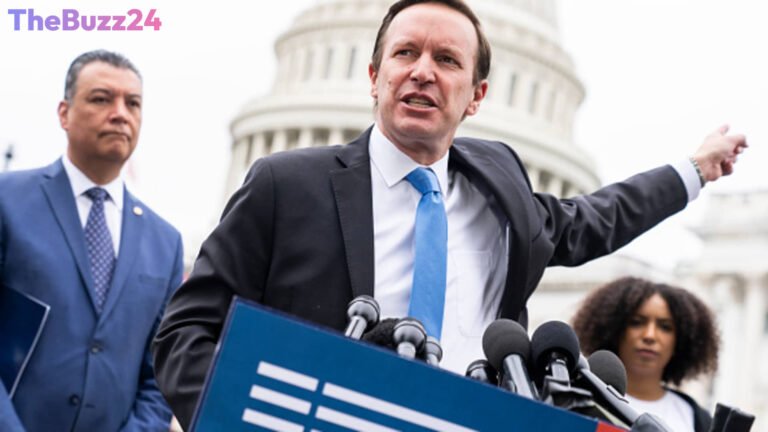
As the upcoming November elections approach, the spotlight has increasingly turned toward key Senate races across the country that could ultimately dictate the fate of America’s retirement safety net. With the primary Social Security trust fund projected to face depletion by late 2032, lawmakers stepping into office next year will be forced to confront a looming financial cliff. Without legislative intervention before the deadline, retirees could face automatic benefit reductions of over twenty percent, making candidates’ platforms on the issue a defining factor for voters.
Polling data from multiple competitive states indicates that an overwhelming majority of voters prioritize candidates with concrete plans to secure Social Security’s long-term solvency over those offering vague reassurances. Despite the high stakes, approaches vary widely across party lines and individual campaigns. Democratic contenders frequently advocate for eliminating or raising the payroll tax cap on high earners to increase revenue and protect lower-income participants, while also pushing to remove taxes on benefits. Conversely, many Republican candidates emphasize bipartisan congressional commissions, rooting out administrative waste, or utilizing targeted tax relief while expressing staunch opposition to direct benefit cuts for current retirees.
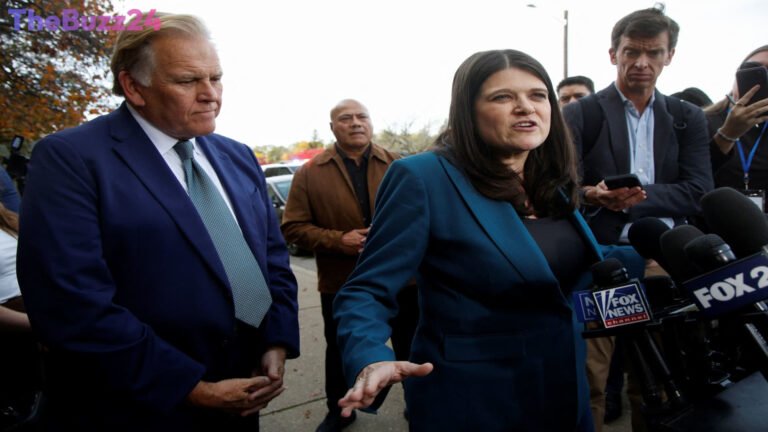
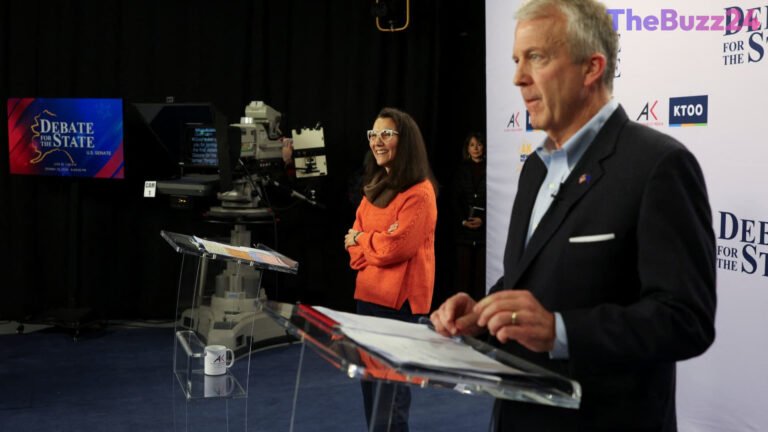
Battleground contests from Alaska and Iowa to Maine, Michigan, and Texas highlight the intense political dynamics at play. In several of these closely watched races, candidates have sparred over past legislative votes concerning government spending, pension adjustments, and historical proposals involving private investment accounts. As advocacy groups like AARP report high voter engagement among older demographics, the debate over how to sustainably fund the program without burdening everyday workers remains one of the defining narratives of the election cycle.
Key Takeaways
- Social Security's retirement trust fund is projected to face depletion by late 2032, requiring legislative action to prevent automatic benefit cuts.
- Over 80% of voters in competitive states indicate they favor candidates with concrete plans to protect and fund the program.
- Proposed solutions from candidates range from raising or eliminating the payroll tax cap on high earners to establishing bipartisan congressional commissions.
Editor’s Analysis & Impact
The intersection of aging demographics and legislative inaction has turned Social Security reform into an unavoidable fiscal hurdle for the incoming class of senators. The debate underscores a broader economic dilemma: balancing the imperative of long-term program solvency against the political toxicity of benefit cuts or tax increases. While proposals like lifting the payroll tax cap appeal heavily to progressive bases and fiscal reformers, bridging the partisan divide will require significant political compromise. If lawmakers fail to enact meaningful structural reforms before the projected 2032 depletion date, millions of Americans will absorb immediate financial impacts, rippling across consumer spending and the broader macroeconomic landscape.
Frequently Asked Questions
Q: When is Social Security's trust fund projected to run out?
A: Trustees project that the trust fund relied on to help pay retirement benefits may be depleted in the fourth quarter of 2032, potentially resulting in automatic benefit cuts if Congress does not act.
Q: What is the payroll tax cap proposal frequently discussed by candidates?
A: Many candidates propose raising or entirely eliminating the cap on annual earnings subject to Social Security payroll taxes, ensuring that high-income earners contribute more revenue to sustain the program.
AI Disclosure: This article is based on verified data and official reports. Our Team and AI have cross-referenced every financial detail with primary sources to ensure total accuracy.
More from this Category