Six Decades of Discovery: The Evolution of the Johnson Space Center
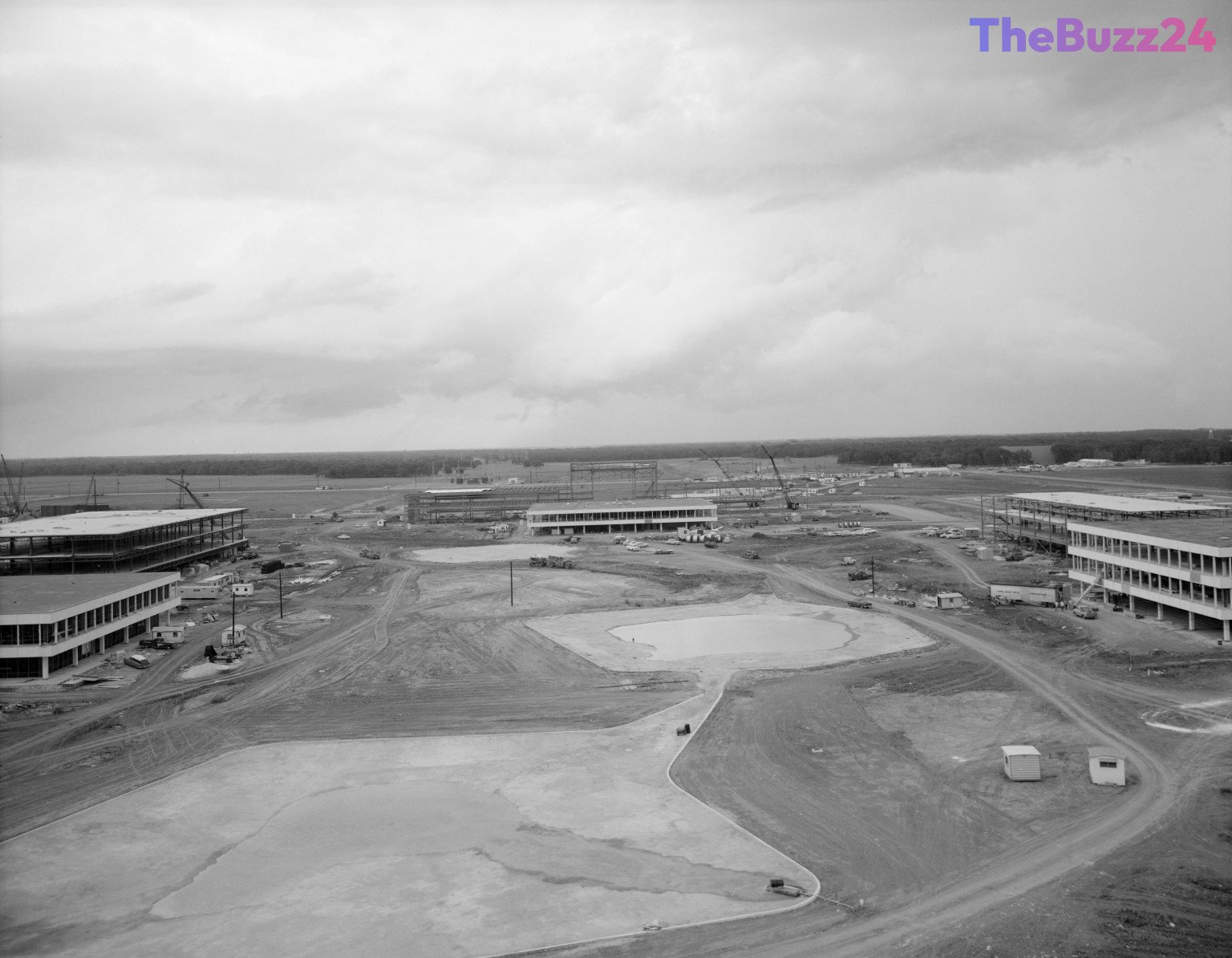
For 65 years, a sprawling complex in Houston has served as the heartbeat of American human spaceflight. Established in the wake of President John F. Kennedy’s historic 1961 mandate to land a human on the Moon, the facility—originally known as the Manned Spacecraft Center—has evolved from a nascent research site into the global epicenter for space exploration. Today, it stands as a testament to decades of engineering breakthroughs, supporting everything from the early days of Project Mercury to the modern Artemis lunar missions.
The center’s physical footprint has grown significantly since its inception. What began as a collection of leased buildings in southeast Houston transformed into a massive campus that houses the nation’s astronaut corps, the iconic Mission Control Center, and advanced training facilities. Key structures like the Space Vehicle Mockup Facility and the Neutral Buoyancy Laboratory have been continuously updated to reflect the changing needs of space travel, moving from the requirements of the Apollo era to the complex demands of the International Space Station and beyond.
Beyond its architectural growth, the center has been a pioneer in human health and safety. From the early Lunar Receiving Laboratory, designed to ensure the safety of Earth from potential lunar microorganisms, to modern research into human performance during long-duration spaceflight, the facility remains committed to protecting crews. As the site looks toward the future, it continues to integrate commercial partnerships and cutting-edge technology, ensuring that Houston remains the primary hub for humanity’s reach into the solar system.
Reflecting on its history, the center has successfully adapted to every major shift in space policy and technology. By maintaining a focus on both the technical rigor of mission control and the physical preparation of astronauts, the facility has secured its role as a cornerstone of global space exploration. As it enters its seventh decade, the center continues to bridge the gap between the historic achievements of the past and the ambitious goals of future lunar and deep-space exploration.
Key Takeaways
- The Johnson Space Center was established in 1961 following President Kennedy's goal to land a human on the Moon.
- The facility has evolved from supporting the Mercury and Apollo programs to managing the International Space Station and the Artemis lunar missions.
- The center serves as the primary hub for astronaut training, mission control operations, and research into human health in space.
Editor’s Analysis & Impact
The Johnson Space Center represents more than just a government facility; it is a critical piece of infrastructure in the burgeoning ‘New Space’ economy. By housing both traditional government mission control and facilitating commercial partnerships, the center acts as a bridge between public-sector ambition and private-sector innovation. The ongoing evolution of its training facilities—such as the transition from the Water Immersion Facility to the modern Neutral Buoyancy Laboratory—highlights the necessity of continuous capital investment in aerospace infrastructure. As the industry shifts toward a multi-planetary focus, the center’s ability to integrate commercial crew and cargo operations will be the primary indicator of its long-term relevance. Its future outlook remains strong, provided it continues to balance legacy mission control responsibilities with the agility required to support a growing ecosystem of private spaceflight providers.
Frequently Asked Questions
Q: When was the Manned Spacecraft Center renamed the Johnson Space Center?
A: The facility was officially renamed the Lyndon B. Johnson Space Center in 1973 to honor the former president's significant support for the American space program.
Q: What is the primary purpose of the Neutral Buoyancy Laboratory?
A: The Neutral Buoyancy Laboratory is used to simulate the weightless environment of space, allowing astronauts to train for spacewalks and test equipment for lunar surface activities.
AI Disclosure: This article is based on verified data and official reports. Our Team and AI have cross-referenced every financial detail with primary sources to ensure total accuracy.
More from this Category