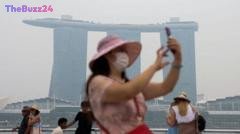
Regional Tensions Flare as Toxic Haze Engulfs Southeast Asia
A thick, toxic haze originating from Indonesia’s wildfires has cast a pall over neighboring Singapore and Malaysia, triggering widespread respiratory issues and sparking a complex diplomatic standoff. The smog, carried by prevailing winds, has intensified in recent weeks, leading to public outcry and placing governments in a difficult position between citizen frustration and maintaining regional relations.
The annual Indonesian wildfires, often linked to land clearing for agricultural purposes like palm oil cultivation, have been exacerbated this year by a severe El Niño phenomenon. This has intensified drought conditions, making the blazes particularly difficult to control and prolonging their impact. Unlike previous occurrences that lasted a few days, the current haze has persisted for weeks, increasing public anxiety and demands for action.
In Malaysia, the public’s frustration has manifested in calls for boycotts of Indonesian products and demands for sanctions against companies implicated in the fires. Lawmakers have urged a firm stance, labeling those responsible as regional outcasts. Singapore, known for its efficient governance, has also seen public criticism, with many feeling the government was slow to react despite early warnings about the El Niño’s severity. Citizens expect decisive action against the polluters.
Diplomatically, the situation presents a significant challenge. Singapore’s government has implemented measures such as setting up haze shelters and distributing masks, while also investigating Singapore-registered companies for potential links to the fires. Foreign Minister Vivian Balakrishnan engaged in “honest” talks with Indonesian President Prabowo Subianto, leading to the formation of a joint task force. However, remarks from some Indonesian officials, suggesting the fires were beyond human control and that neighboring countries benefited from Indonesia’s forests, drew sharp rebukes from Singapore, highlighting underlying tensions. A subsequent announcement by Indonesia to reduce gas exports to Singapore, though officially attributed to domestic needs, was widely perceived as a retaliatory move, further complicating bilateral relations.
Key Takeaways
- Wildfires in Indonesia are causing a severe toxic haze that is impacting neighboring countries, leading to health concerns and public anger.
- The haze has created diplomatic friction between Indonesia and its neighbors, particularly Singapore and Malaysia, as governments grapple with public pressure and bilateral relations.
- While joint task forces and diplomatic talks are underway, underlying issues like land clearing practices and regional power dynamics continue to complicate efforts to resolve the recurring haze problem.
Editor’s Analysis & Impact
The recurring haze crisis underscores the persistent environmental and diplomatic challenges in Southeast Asia. The reliance on agricultural practices that contribute to these fires, coupled with the effects of climate phenomena like El Niño, creates a cyclical problem. The diplomatic fallout, including retaliatory economic measures and public criticism, highlights the fragility of regional cooperation. For businesses, particularly those in sectors like palm oil, this situation poses reputational risks and potential regulatory scrutiny. The long-term outlook depends on Indonesia’s commitment to enforcing environmental regulations and the willingness of regional bodies like ASEAN to implement more effective, enforceable agreements beyond mere declarations.
Frequently Asked Questions
Q: What causes the toxic haze in Southeast Asia?
A: The toxic haze is primarily caused by widespread wildfires in Indonesia, often linked to land clearing for agricultural purposes, particularly for palm oil cultivation. These fires are frequently exacerbated by dry conditions, especially during El Niño events.
Q: What are the diplomatic implications of the haze?
A: The haze creates significant diplomatic tension as it affects neighboring countries like Singapore and Malaysia, leading to public frustration and demands for action. This can strain bilateral relations, with accusations of inaction or retaliation sometimes emerging between nations.
Q: Are there any regional agreements to combat the haze?
A: Yes, the ASEAN Agreement on Transboundary Haze Pollution commits member states to collaborate on tackling the issue. However, its effectiveness has been questioned due to a lack of enforcement mechanisms to penalize companies responsible for the fires or compel governments to act.
AI Disclosure: This article is based on verified data and official reports. Our Team and AI have cross-referenced every financial detail with primary sources to ensure total accuracy.
More from this Category