European Supermarkets Hit by Coordinated Cyberattacks Targeting Refrigeration Systems
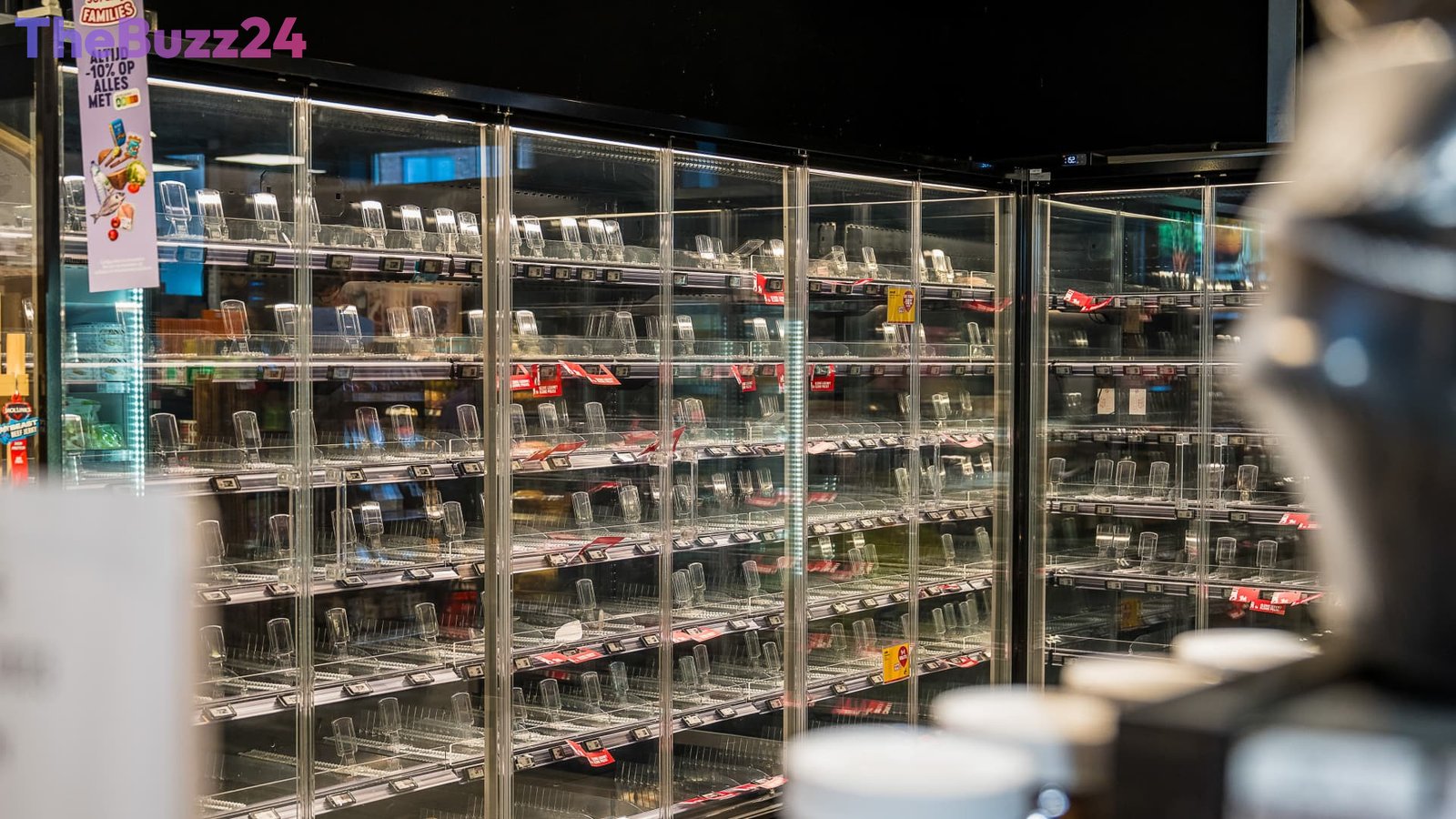
A wave of cyberattacks has disrupted supermarket operations across multiple European countries, including Belgium and Sweden, raising significant concerns about food security and the vulnerability of critical retail infrastructure. This marks the second major incident of its kind within a month, underscoring a growing trend of sophisticated cyber threats targeting the food supply chain.
The attacks involved hackers remotely manipulating refrigeration units, causing temperatures to spike dramatically. Reports indicate some fridges reached as high as 50°C (122°F), leading to substantial food spoilage and necessitating the discarding of large quantities of perishable goods. Major retailers such as Ahold Delhaize, Colruyt Group, Carrefour, and Intermarché in Belgium, as well as IKEA and Swedish retailer ICA, have confirmed experiencing disruptions.
While security measures in many cases helped contain the attacks quickly, some retailers reported notable stock losses. The European Commission is actively investigating the incidents, engaging with national authorities and relevant EU agencies like ENISA and Europol. This coordinated response highlights the cross-border nature of the threat and the need for a unified approach to cybersecurity in the retail sector.
These recent events echo a similar large-scale cyberattack in October that affected hundreds of French supermarkets, causing fires and food spoilage. The lack of immediate claims of responsibility for the current attacks leaves investigators exploring various motives, from financially driven cybercrime to state-sponsored disruption aimed at creating societal unease. Experts point to the ease with which some of these systems can be accessed, often due to unpatched vulnerabilities and default passwords, as a key factor enabling such attacks.
Key Takeaways
- Supermarket refrigeration systems across Europe have been targeted by cyberattacks, leading to food spoilage and operational disruptions.
- The attacks highlight vulnerabilities in connected retail infrastructure, with hackers remotely manipulating temperatures in fridges and freezers.
- Investigations are ongoing, with concerns raised about the potential motives ranging from financial gain to broader societal disruption, and the ease of exploiting unpatched systems.
Editor’s Analysis & Impact
This series of cyberattacks on European supermarket refrigeration systems is a stark reminder of the increasing interconnectedness and fragility of modern supply chains. The ability of malicious actors to remotely disrupt physical operations, even with relatively unsophisticated methods, poses a significant threat to food security and consumer confidence. The financial implications for retailers are substantial, not only due to lost stock but also the costs associated with system remediation and enhanced security measures. Looking ahead, this trend necessitates a proactive approach from the retail sector, focusing on robust cybersecurity protocols, regular patching of systems, and investing in resilient infrastructure to mitigate future risks. The potential for AI to amplify such attacks in the future also warrants serious consideration and preparedness.
Frequently Asked Questions
Q: What exactly happened in the supermarket cyberattacks?
A: Hackers remotely gained access to supermarket refrigeration systems, causing temperatures to rise significantly. This led to food spoilage and the need to discard perishable goods.
Q: Which countries and retailers were affected?
A: Several European countries, including Belgium and Sweden, were impacted. Retailers like Ahold Delhaize, Colruyt Group, Carrefour, Intermarché, IKEA, and ICA confirmed disruptions.
Q: Is there a known motive behind these attacks?
A: As of now, no group has claimed responsibility. Investigations are exploring possibilities ranging from financial motives to attempts to create societal unease or disruption.
AI Disclosure: This article is based on verified data and official reports. Our Team and AI have cross-referenced every financial detail with primary sources to ensure total accuracy.
More from this Category