Apple Shares Drop as Global Memory Shortage and AI Costs Compress Margins Under New CEO John Ternus
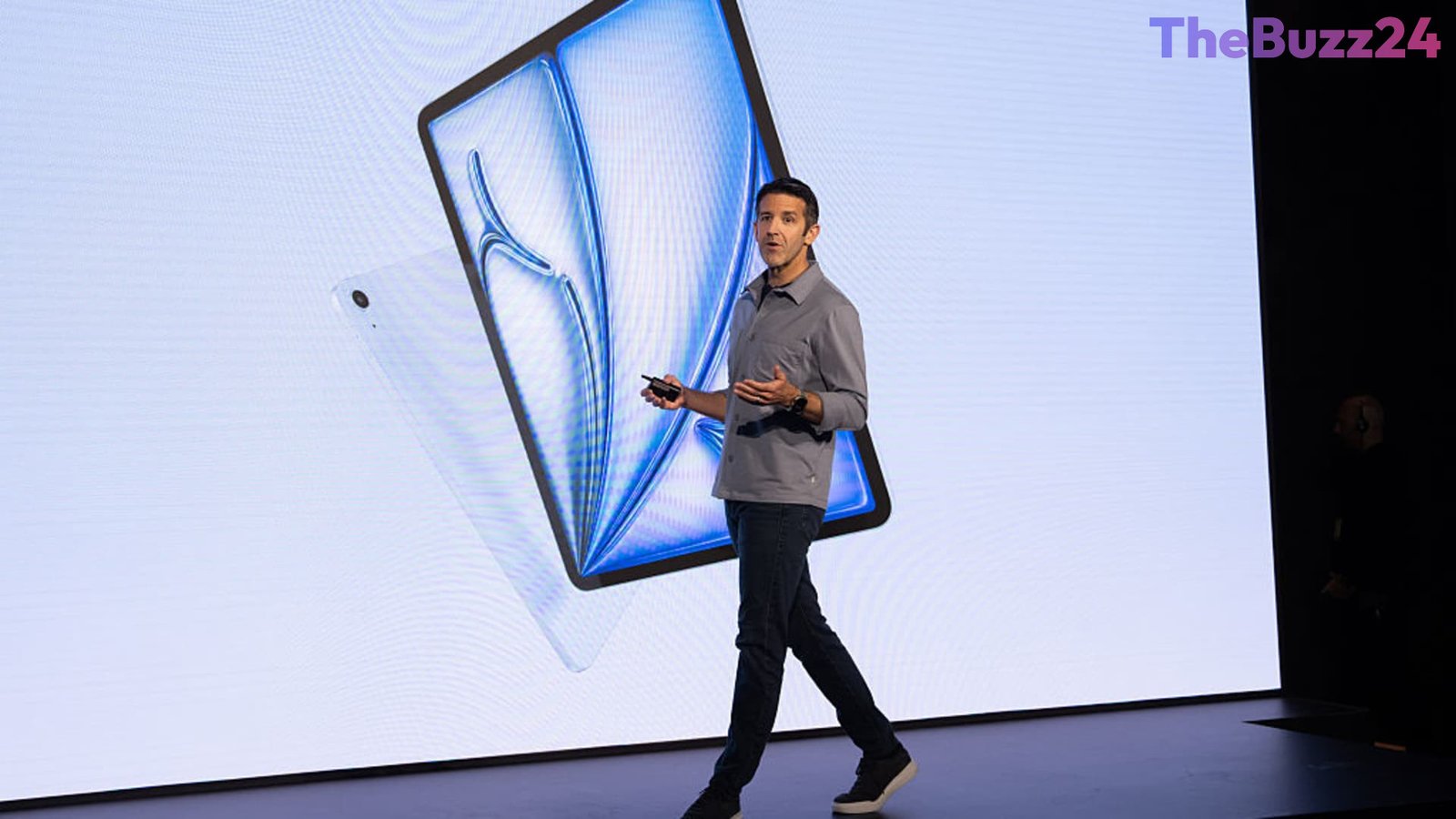
In his inaugural earnings presentation since taking over as chief executive, Apple CEO John Ternus delivered robust top-line performance but faced immediate market headwinds due to a tightening gross margin outlook. Despite beating Wall Street estimates for total revenue and core iPhone sales, Apple stock drifted lower in extended trading after leadership warned that escalating memory component costs and ongoing investments in Siri AI capabilities will shrink profitability during the peak holiday quarter.
Chief Financial Officer Kevan Parekh projected gross margins for the December quarter to fall between 45% and 46%, reflecting a third consecutive quarterly decline. Parekh attributed the margin contraction primarily to unprecedented price hikes in memory components alongside expenses related to scaling up artificial intelligence features. The surge in memory costs stems from an aggressive procurement push by enterprise AI hardware developers and hyperscalers, such as Nvidia, who are consuming vast supplies of RAM and leaving hardware manufacturers with limited inventory flexibility.
To manage these bottlenecks, Apple Chief Operating Officer Sabih Khan revealed that the company expanded its purchase obligations by $33 billion from the prior quarter to guarantee critical component availability. Despite these efforts, Apple anticipates supply constraints across its iPhone and Mac lineups during the fourth quarter. The memory crunch represents the first major operational challenge for Ternus, who stepped into the top role in September following Tim Cook’s departure, coming on the heels of modest price increases across Mac, iPad, and flagship iPhone models.
Industry analysts note that while squeezed margins present temporary hurdles, Apple maintains a formidable buffer compared to its hardware peers. Supported by strong growth in its high-margin services division, Apple continues to absorb cost pressures more effectively than smaller Windows PC and Android smartphone manufacturers. Research data shows Apple recorded record Mac sales in its fiscal year and gained global market share, positioning the tech giant to potentially expand its competitive moat amidst broader market disruption.
Key Takeaways
- Apple projected gross margins of 45% to 46% for the holiday quarter, missing consensus estimates due to rising memory prices and Siri AI scaling costs.
- Massive demand for RAM from artificial intelligence server makers has constrained component supply, forcing Apple to expand purchase obligations by $33 billion.
- Despite margin pressure and potential inventory tight spots during the holiday period, Apple gained global market share in Mac sales over PC and Android competitors.
Editor’s Analysis & Impact
The persistent global memory shortage highlights a fundamental disruption in technology supply chains, where intense capital investment in artificial intelligence infrastructure is actively competing with consumer hardware manufacturing. For new Apple CEO John Ternus, navigating this cost spike serves as a critical test of executive leadership and operational agility. However, Apple’s high-margin services segment and unparalleled balance sheet afford it a strategic advantage that smaller competitors simply cannot replicate. While hardware profit margins may experience short-term compression, Apple is well-positioned to leverage its financial strength to secure component allocation, absorb elevated input costs, and ultimately capture greater market share from vulnerable rivals.
Frequently Asked Questions
Q: Why is Apple expecting lower gross margins in the holiday quarter?
A: Apple's lower gross margin forecast is primarily caused by an unprecedented rise in global memory component prices combined with ramp-up costs for Siri AI infrastructure.
Q: How is the artificial intelligence boom affecting smartphone and PC makers?
A: Enterprise AI server manufacturers and cloud providers are purchasing large volumes of high-performance RAM at premium prices, reducing available component supply for consumer laptops, tablets, and smartphones.
Q: How is Apple responding to the memory supply constraints?
A: Apple has expanded its inventory purchase obligations by $33 billion to secure needed components and is using its financial leverage to absorb cost increases while selectively adjusting device retail pricing.
AI Disclosure: This article is based on verified data and official reports. Our Team and AI have cross-referenced every financial detail with primary sources to ensure total accuracy.
More from this Category