Australian Interest Rates Soar to Near Two-Decade High in Bid to Tame Persistent Price Rises
Australia’s central bank has escalated its battle against persistent inflation, raising its benchmark cash rate by 25 basis points to 4.85%. This marks the highest interest rate level seen in the country since November 2008 and represents the fifth such increase this year by the Reserve Bank of Australia (RBA). The decision, reached by a split vote among the central bank’s board members, underscores the urgency felt by policymakers to curb rising prices.
The rate hike comes as Australia continues to grapple with elevated inflation. The consumer price index (CPI) climbed to 4.3% in September, an increase from 4% in August and its highest point since March. In response to these pressures, the RBA has revised its inflation projections, now anticipating that inflation will remain elevated through much of 2027 and will not return to its target range of 2%-3% until late that year – a significant delay of three quarters compared to previous forecasts. This persistent inflationary environment is attributed to several factors, including higher fuel and commodity prices, robust domestic spending, and even the rapid growth in prices for technology-related goods driven by AI-related investment.
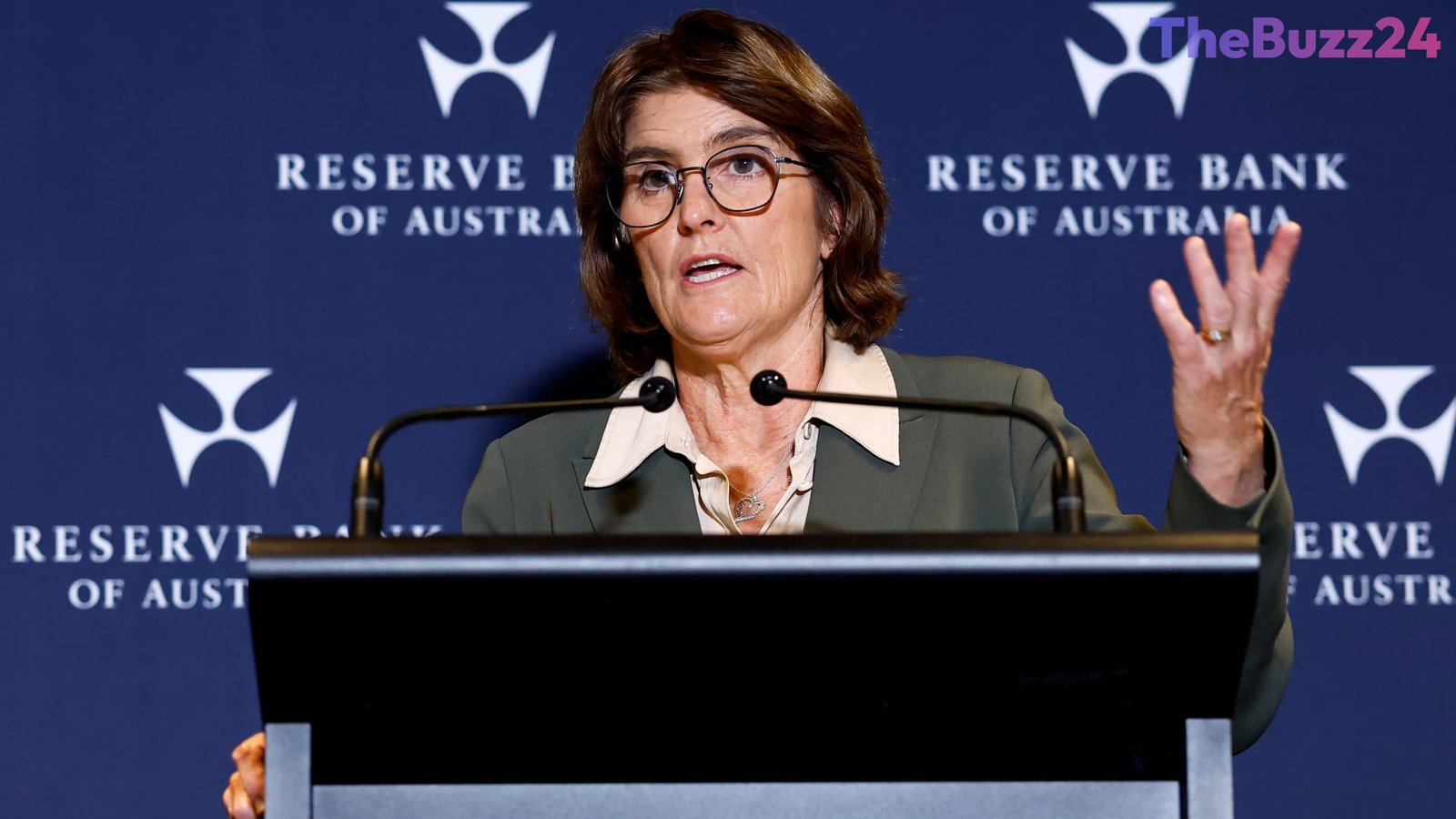
RBA Governor Michelle Bullock has explicitly stated that inflation is “too high,” noting that “upside risks to inflation are materializing.” She affirmed the central bank’s readiness for additional rate increases if necessary to bring inflation under control. The RBA’s tightening measures are being implemented against a backdrop of slowing economic growth, with Australia’s Gross Domestic Product (GDP) rising 2.1% in the June quarter compared to the previous year, a decline from 2.5% in the March quarter. While acknowledging the strain higher borrowing costs and cost-of-living pressures place on households and economic activity, Governor Bullock indicated that a recession for Australia is “not our base case at the moment.” The central bank is thus navigating a delicate balance, aiming to cool the economy without triggering a sharp downturn.
Key Takeaways
- Australia's central bank raised its benchmark cash rate to 4.85%, the highest level since November 2008, marking its fifth increase this year.
- The Reserve Bank of Australia (RBA) has significantly upgraded its inflation forecast, now expecting prices to remain elevated and not return to its 2%-3% target until late 2027.
- Despite slowing economic growth and the impact of higher borrowing costs, RBA Governor Michelle Bullock stated that a recession is not currently the central bank's base case.
Editor’s Analysis & Impact
The RBA’s decision to raise rates to an 18-year high signals a determined, yet challenging, fight against stubborn inflation. This move will undoubtedly increase borrowing costs for Australian households and businesses, potentially dampening consumer spending and investment. The extended timeline for inflation to return to target, now late 2027, suggests a prolonged period of tight monetary policy, which could lead to sustained economic uncertainty. The inclusion of AI-related investment as an inflation driver for tech goods highlights an emerging, complex factor in modern economic analysis. While the RBA aims for a ‘soft landing,’ the balancing act between curbing inflation and avoiding a recession remains precarious, with global economic headwinds adding to the domestic pressures. Further rate adjustments cannot be ruled out if inflationary pressures persist.
Frequently Asked Questions
Q: What is Australia's new benchmark cash rate?
A: The Reserve Bank of Australia (RBA) has raised its benchmark cash rate by 25 basis points to 4.85%, which is the highest level since November 2008.
Q: When does the RBA expect inflation to return to its target range?
A: The RBA now projects that inflation will remain elevated through much of 2027 and will not fall back into its 2%-3% target range until late 2027, a delay of three quarters compared to previous forecasts.
Q: What factors are contributing to Australia's persistent inflation?
A: Key factors include higher fuel and other commodity prices, strong domestic spending, and rapid growth in prices for technology-related goods, partly driven by AI-related investment.
AI Disclosure: This article is based on verified data and official reports. Our Team and AI have cross-referenced every financial detail with primary sources to ensure total accuracy.
More from this Category