Mortgage Giants Fannie Mae, Freddie Mac Rally Amid Billionaire Investor’s Push for Privatization
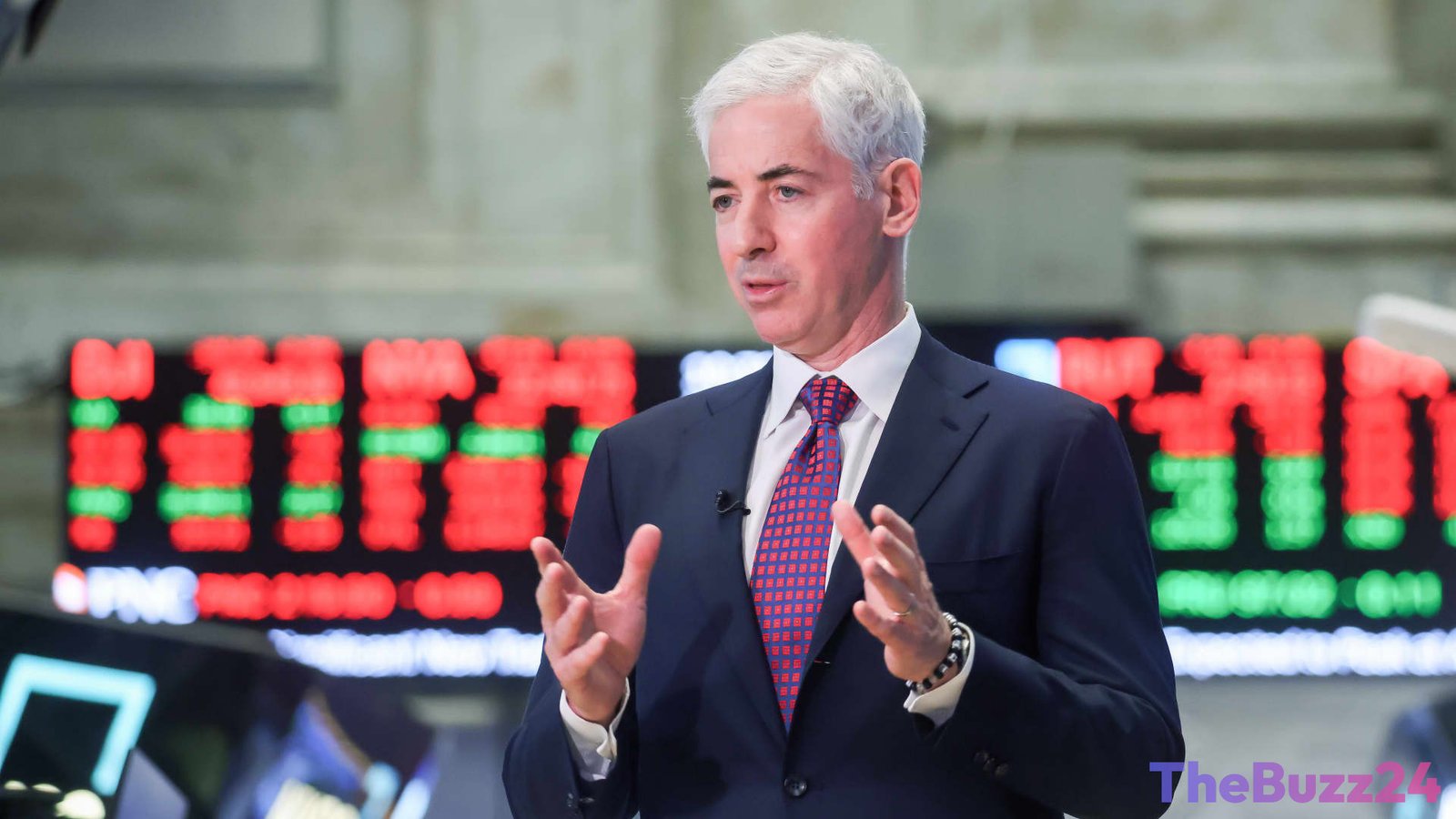
The future of government-sponsored mortgage giants Fannie Mae and Freddie Mac is once again a focal point for investors, with their stocks experiencing a significant rally. Both entities have seen their share prices climb more than 60% since mid-October, a surge that coincides with billionaire investor Bill Ackman’s renewed calls for their release from federal conservatorship. Ackman, founder of Pershing Square Capital Management, suggests that the upcoming midterm elections could serve as a pivotal moment for advancing their privatization.
Ackman has been a long-time proponent of freeing Fannie Mae and Freddie Mac from government control, with his firm holding stakes in both. He contends that these entities, which are crucial to the U.S. housing market by purchasing mortgages from lenders and packaging them into mortgage-backed securities, could see their value increase tenfold if privatized. The two companies were placed into conservatorship in September 2008 during the financial crisis and have traded over-the-counter since being delisted from the New York Stock Exchange in 2010. Ackman argues that ending this conservatorship would unlock substantial value and shield them from political interference.
The prospect of ending the conservatorship has garnered support from the Trump administration, with Treasury Secretary Scott Bessent indicating that a resolution could be pursued before the end of the current presidential term. Bessent emphasized that any decision would prioritize housing affordability and ensure that the spread on agency mortgages over Treasuries does not increase, thereby avoiding higher mortgage costs for consumers. However, the path to privatization is complex, requiring the entities to be recapitalized, potentially through new equity issuance, and necessitating a plan for the Treasury Department to exit its substantial $388 billion ownership stake. Congressional action may also be required to redefine the government’s role in mortgage financing.
Ackman further asserts that privatizing Fannie and Freddie is essential to prevent political influence over their operations. He warns that if they remain under government control, future administrations could manipulate credit standards to achieve political objectives, potentially impacting trillions of dollars in outstanding mortgage securities and overall credit spreads. For mortgage-backed securities investors, certainty regarding the entities’ operational framework is paramount, a stability Ackman believes can only be achieved once they become publicly traded companies governed by clear rules, rather than remaining subject to executive discretion under conservatorship.
Key Takeaways
- Billionaire investor Bill Ackman is strongly advocating for Fannie Mae and Freddie Mac to exit government conservatorship, citing potential tenfold value increase.
- Both Fannie Mae and Freddie Mac stocks have rallied over 60% since mid-October, reflecting investor optimism surrounding their potential privatization.
- While the Trump administration supports ending the conservatorship, the process faces significant challenges including recapitalization, Treasury's exit plan, and potential Congressional legislation, with affordability being a key consideration.
Editor’s Analysis & Impact
The renewed push for Fannie Mae and Freddie Mac’s privatization, spearheaded by Bill Ackman, signals a potentially transformative period for the U.S. housing finance market. A successful exit from conservatorship could inject significant private capital, enhance market efficiency, and potentially reduce taxpayer exposure to future housing market downturns. However, the transition is fraught with complexities, including ensuring adequate capital buffers, managing the Treasury’s substantial stake, and navigating political considerations around housing affordability and access. The outcome will profoundly impact mortgage rates, the availability of credit, and the overall stability of the housing sector, potentially reshaping the roles of government and private enterprise in homeownership for decades to come. The market’s current rally reflects speculative interest, but the long-term implications hinge on a carefully structured and politically viable exit strategy.
Frequently Asked Questions
Q: What are Fannie Mae and Freddie Mac?
A: Fannie Mae (Federal National Mortgage Association) and Freddie Mac (Federal Home Loan Mortgage Corporation) are government-sponsored enterprises (GSEs) that play a critical role in the U.S. housing market. They buy mortgages from lenders, package them into mortgage-backed securities (MBS), and guarantee their timely payment, providing liquidity to the mortgage market.
Q: Why are Fannie Mae and Freddie Mac in conservatorship?
A: Both entities were placed into government conservatorship in September 2008 during the global financial crisis to prevent their collapse, which would have severely destabilized the U.S. housing and financial markets. They have remained under federal control ever since.
Q: What are the main arguments for privatizing Fannie Mae and Freddie Mac?
A: Proponents, like Bill Ackman, argue that privatization would unlock significant shareholder value, insulate the entities from political interference in credit standards, and provide greater certainty for mortgage-backed securities investors. They believe it would allow the companies to operate more efficiently and competitively.
AI Disclosure: This article is based on verified data and official reports. Our Team and AI have cross-referenced every financial detail with primary sources to ensure total accuracy.
More from this Category