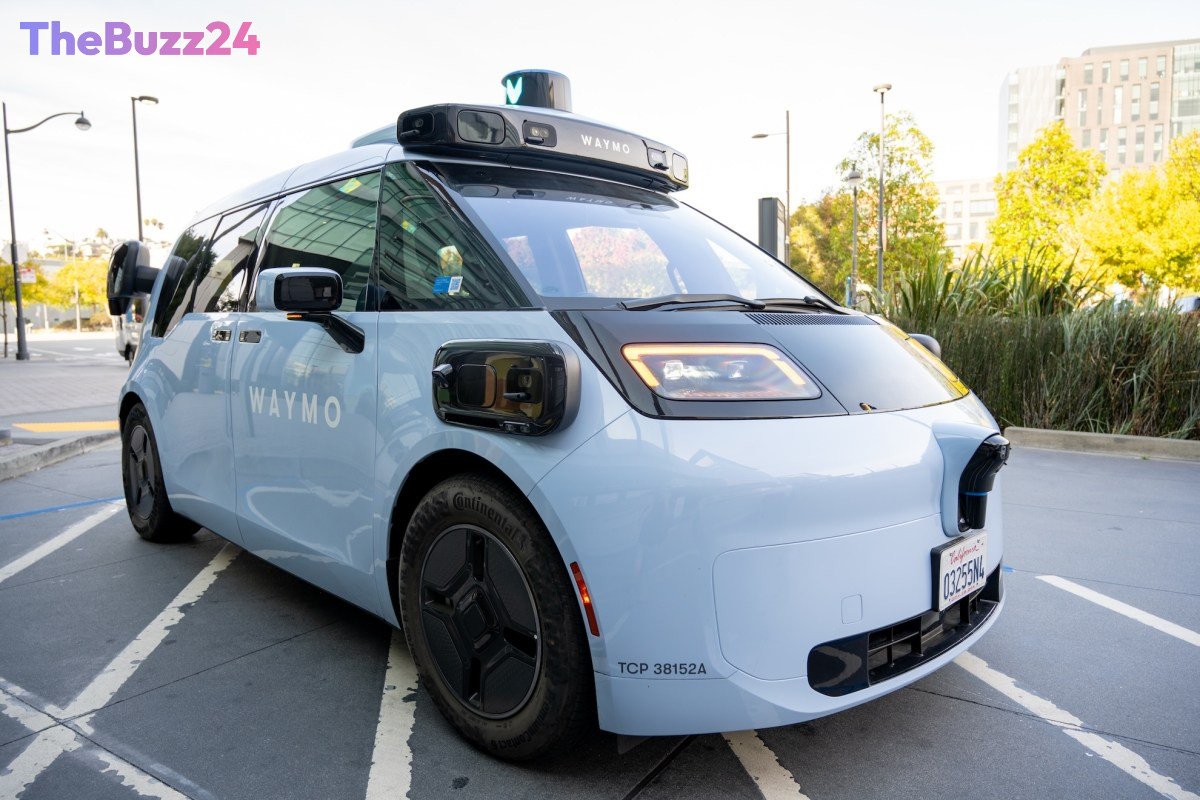
Waymo to End Uber Partnership, Launch Direct Rider App in Key Markets
Waymo, the autonomous vehicle division of Alphabet, has confirmed plans to transition away from its partnership with Uber. Starting in January 2028, the company will begin offering its robotaxi services directly to consumers via its own smartphone application in Austin and Atlanta. This move marks a significant shift in Waymo’s strategy for these specific markets.
Co-CEO Tekedra Mawakana stated that the decision to partner with Uber initially was driven by the ride-hailing company’s extensive scale. However, Mawakana indicated that the direct rider experience has been inconsistent, often leaving customers uncertain whether they would be assigned a robotaxi or a human-driven vehicle. “It’s important for us to have that relationship with the rider,” Mawakana commented, citing feedback from users in the affected cities.
While Waymo will cease offering rides through the Uber app in Austin and Atlanta, Uber has stated that it intends to continue hosting Waymo robotaxis on its platform for as long as mutually agreed upon. Uber also noted that the decision to not include a direct robotaxi booking option within its app originated from Waymo. This strategic pivot by Waymo aims to foster a more direct connection with its customer base and potentially streamline the user experience for its autonomous rides.
Key Takeaways
- Waymo will end its ride-sharing partnership with Uber in Austin and Atlanta starting January 2028.
- The autonomous vehicle company will launch its own direct-to-consumer app in these markets.
- Waymo cited a desire for a more direct rider relationship and inconsistent user experience as reasons for the split.
Editor’s Analysis & Impact
This strategic move by Waymo signals a growing confidence in its direct-to-consumer model and a desire to control the end-to-end customer experience. By disentangling from Uber in key markets, Waymo aims to capture more rider data and potentially improve service consistency, which has been a point of friction. For Uber, this represents a loss of a prominent autonomous partner, though they maintain relationships with other AV providers. The long-term implications could involve increased competition in the robotaxi space as more AV companies seek direct market access, potentially accelerating the adoption of autonomous ride-sharing services but also highlighting the complexities of partnerships in this nascent industry.
Frequently Asked Questions
Q: Why is Waymo ending its partnership with Uber?
A: Waymo's co-CEO cited a desire for a more direct relationship with riders and an inconsistent user experience when rides were booked through Uber, where customers were unsure if they would get a robotaxi or a human-driven car.
Q: When will this change take effect?
A: The split will begin in January 2028 in the Austin and Atlanta markets.
Q: Will Waymo still be available on the Uber app at all?
A: Uber has indicated that they plan to continue hosting Waymo robotaxis on their app for as long as the companies have an agreement, but Waymo will be offering its own direct booking option.
AI Disclosure: This article is based on verified data and official reports. Our Team and AI have cross-referenced every financial detail with primary sources to ensure total accuracy.
More from this Category