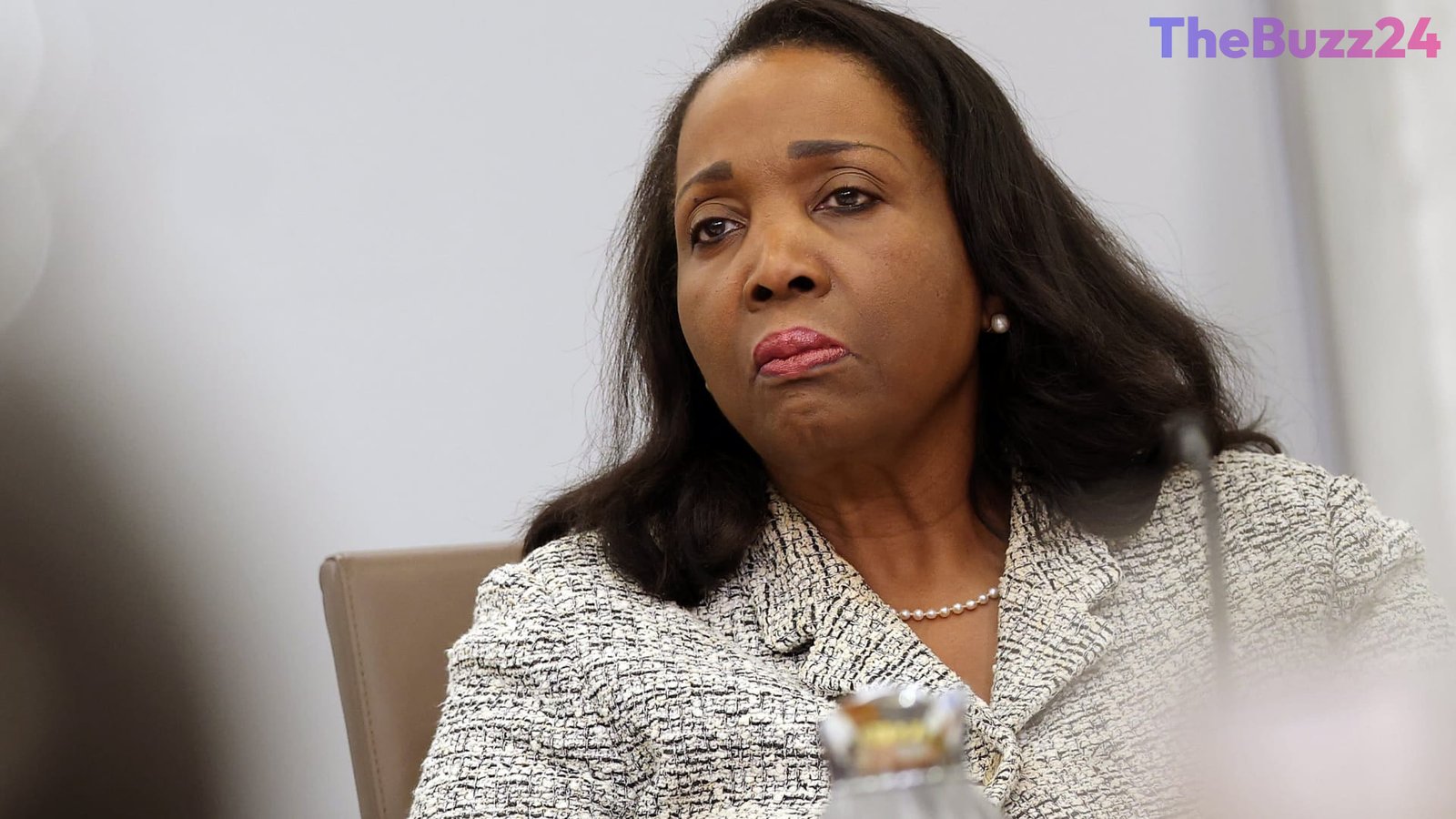
Federal Reserve Governor Lisa Cook’s High-Stakes Hearing Delayed Amid Legal Challenges
A special White House committee has rescheduled a pivotal hearing for Federal Reserve Governor Lisa Cook to December 14. The inquiry, established by former President Donald Trump, aims to investigate allegations that Cook made false statements concerning one or more mortgage instruments.
The postponement of the hearing, initially set for an earlier date, was made at Governor Cook’s request. Her legal representative, Abbe Lowell, indicated last month that the hearing could not proceed until December at the earliest, citing Cook’s commitments to official duties at financial and monetary policy meetings in Europe. Lowell also raised questions regarding the committee’s fairness and objectivity, stating these concerns would need to be addressed before the proceedings could take place.
This investigation unfolds against a backdrop of previous attempts by the Trump administration to remove Cook from her position. The Supreme Court had earlier intervened, temporarily blocking her dismissal in June, citing a failure to provide due process. Cook has vehemently denied any wrongdoing, asserting in a lawsuit challenging her potential firing that the mortgage statement allegations are merely a pretext. She contends that the true motivation behind the efforts to oust her is her refusal to align with demands for lower interest rates.
The committee tasked with this inquiry comprises Kevin Hassett, assistant to the president for economic policy; Andrea Lucas, chair of the Equal Employment Opportunity Commission; and Keith Sonderling, director of the Office of Government Ethics. The formation of this panel, occurring months after the Supreme Court’s ruling, is seen by some as an attempt to demonstrate that Governor Cook is now being afforded the due process previously deemed lacking.
Key Takeaways
- Federal Reserve Governor Lisa Cook's hearing on alleged false mortgage statements has been postponed to December 14.
- The inquiry, initiated by former President Donald Trump, follows a Supreme Court ruling that temporarily blocked Cook's dismissal due to a lack of due process.
- Cook denies the allegations, asserting they are a pretext for her removal due to her stance on interest rates, while her legal team cites fairness concerns and scheduling conflicts for the delay.
Editor’s Analysis & Impact
This situation highlights the ongoing tension between political appointments and the independence of institutions like the Federal Reserve. The legal battle surrounding Governor Cook’s position, particularly the Supreme Court’s emphasis on due process, sets a significant precedent for presidential authority over independent agency officials. The outcome of this hearing, and whether it satisfies the due process requirements, could influence future appointments and removals within the U.S. financial regulatory landscape. It also underscores the politicization of monetary policy decisions, potentially impacting market perceptions of the Fed’s autonomy. The resolution will be closely watched for its implications on governance and the stability of economic policy.
Frequently Asked Questions
Q: Why was Federal Reserve Governor Lisa Cook's hearing delayed?
A: The hearing was postponed at the request of Governor Cook, with her lawyer citing scheduling conflicts due to official duties in Europe and concerns regarding the committee's fairness and objectivity.
Q: What are the allegations against Governor Lisa Cook?
A: A White House committee is investigating allegations that Governor Cook made false statements related to one or more mortgage instruments. Cook denies any wrongdoing.
Q: What is the significance of the Supreme Court's involvement?
A: The Supreme Court previously barred former President Trump from summarily firing Cook, ruling that she was not given due process. The current committee of inquiry may be an attempt to address these due process requirements.
AI Disclosure: This article is based on verified data and official reports. Our Team and AI have cross-referenced every financial detail with primary sources to ensure total accuracy.
More from this Category