The Reality Check: Why AI Agents Are Failing to Gain Traction in Ride-Hailing
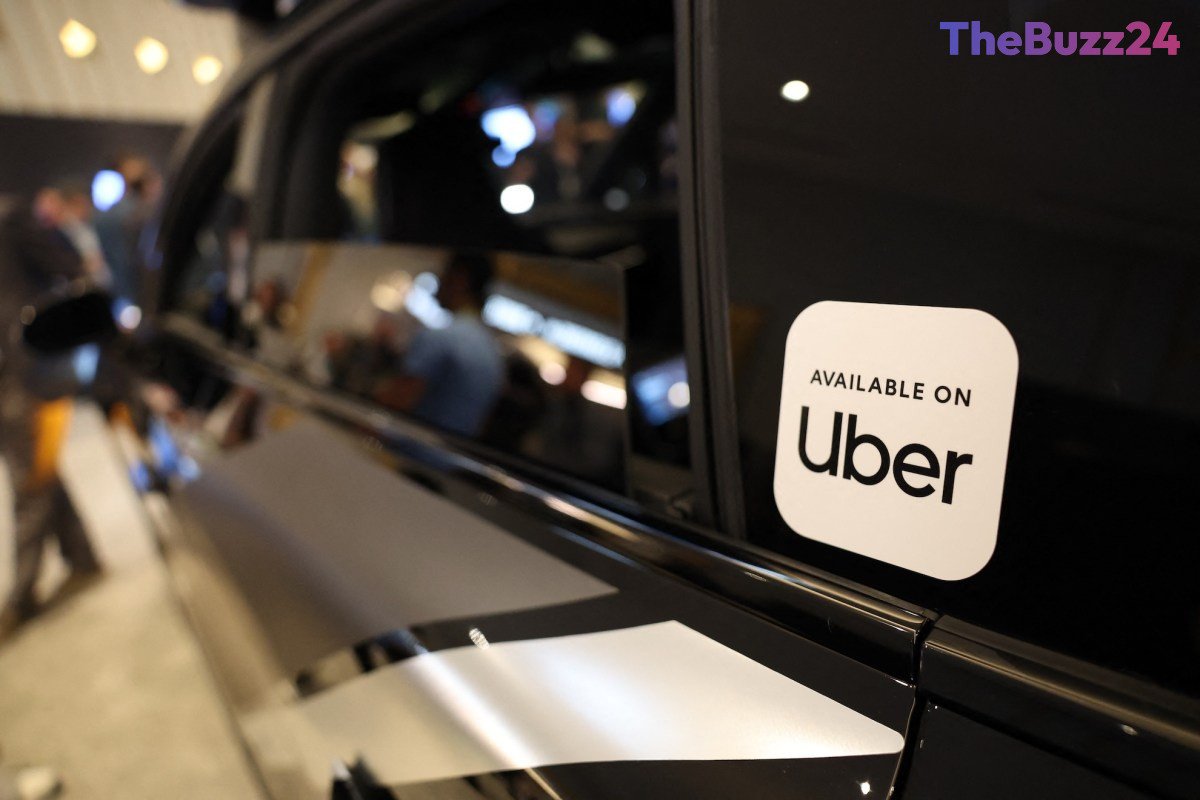
Despite the massive industry hype surrounding autonomous AI agents capable of performing tasks on behalf of users, actual consumer adoption remains remarkably low. During a recent third-quarter earnings call, Uber revealed that its platform processed only four ride requests via AI agents during its peak week in October. While food delivery orders through Uber Eats saw slightly higher engagement, the volume remains statistically insignificant when compared to the hundreds of millions of trips and orders the company facilitates weekly.
Uber CEO Dara Khosrowshahi acknowledged that the technology is in its infancy, noting that current traction is extremely limited. The company reported that during the week of Halloween, which saw roughly 320 million total transactions, only 500 Uber Eats orders were initiated by AI agents. This trend mirrors reports from other major platforms like DoorDash, which also confirmed that AI-driven orders currently account for only a negligible fraction of their total business.
Industry experts suggest that the primary barrier to adoption is the efficiency of existing mobile applications. Uber noted that the average user can book a ride in under a minute and re-order a favorite meal in 90 seconds, leaving little room for AI agents to provide a meaningful time-saving advantage. While the company remains optimistic about the long-term potential of AI integration and continues to engage with major AI developers, it is clear that the ‘agentic web’ has yet to prove its value proposition to the average consumer.
Key Takeaways
- AI agent adoption for ride-hailing and food delivery is currently near zero, despite significant industry hype.
- Existing mobile apps are already highly efficient, making it difficult for AI agents to offer a compelling time-saving benefit to users.
- Major platforms like Uber and DoorDash are actively monitoring the space but report that the vast majority of consumers still prefer traditional app-based ordering.
Editor’s Analysis & Impact
The discrepancy between the multi-billion dollar valuations of AI agent startups and the actual usage data from public companies highlights a significant ‘hype gap’ in the current technology cycle. While AI agents are theoretically capable of streamlining complex workflows, they currently struggle to compete with the highly optimized user interfaces of established mobile applications. For these agents to achieve mass adoption, they must move beyond simple task execution and offer genuine utility that justifies the friction of switching platforms. In the near term, we expect a period of consolidation where only the most integrated and reliable agents survive. The industry is currently in a ‘proof of concept’ phase, and until these agents can consistently outperform a 50-second manual booking process, they will likely remain a niche tool for early adopters rather than a mainstream consumer utility.
Frequently Asked Questions
Q: Why are so few people using AI agents to book Ubers?
A: The primary reason is that existing mobile apps are already extremely efficient, allowing users to book rides or order food in under 90 seconds, which leaves little incentive for users to adopt a new, potentially slower AI-based workflow.
Q: Are companies like Uber giving up on AI agents?
A: No, Uber remains bullish on the technology. CEO Dara Khosrowshahi stated that the company views AI agents as a net positive for future demand and is actively in discussions with major AI system developers to integrate these tools into their ecosystem.
AI Disclosure: This article is based on verified data and official reports. Our Team and AI have cross-referenced every financial detail with primary sources to ensure total accuracy.
More from this Category