OpenAI Executive Proposes ‘New Deal’ for AI, Eyes 2028 Election Influence
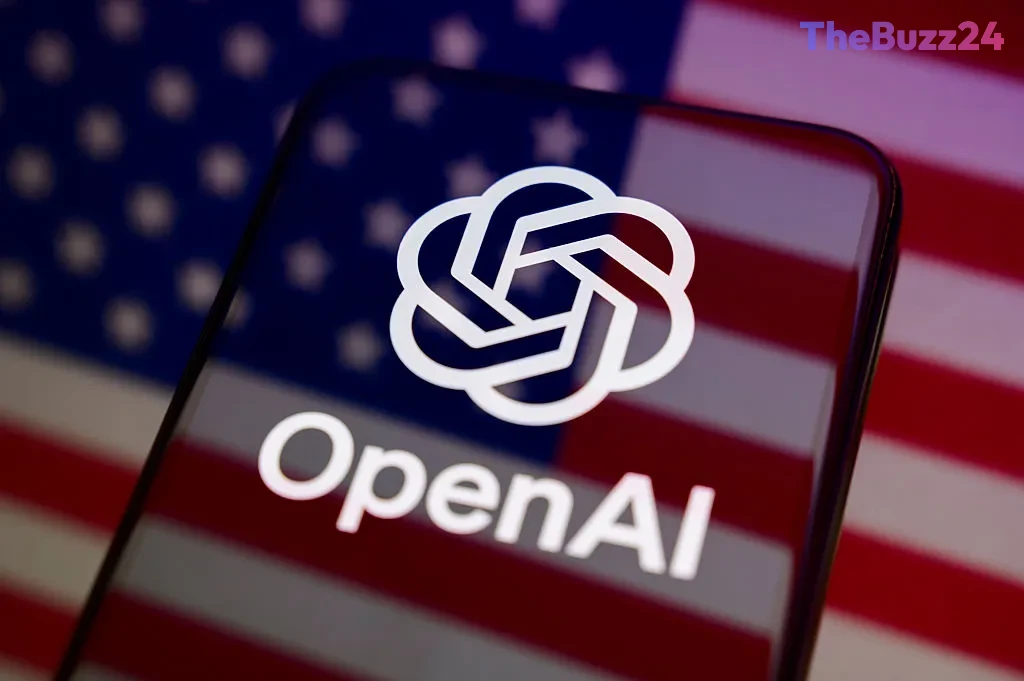
OpenAI’s chief global affairs officer, Chris Lehane, believes the 2028 presidential election could serve as a pivotal moment for artificial intelligence, urging politicians to craft policies that genuinely address public concerns rather than merely offering superficial responses to anti-AI sentiment or opposition to data centers. In a recent essay, Lehane draws a parallel between AI’s potential to reshape the economy and President Franklin D. Roosevelt’s New Deal, a series of federal programs from the 1930s designed to combat the economic fallout of industrialization and the Great Depression. He notes a similar anxiety among Americans today regarding their economic futures and advocates for a “compelling third path” that ensures widespread access to AI’s benefits. His vision outlines five key policy priorities, encompassing worker protections, education, AI safety, and the development of data centers.
Lehane’s proposals, while framed as beneficial for the public, appear to align with OpenAI’s strategic interests, encouraging broader AI adoption and the infrastructure expansion necessary for companies like OpenAI to grow. This marks a notable shift from OpenAI’s previous policy agenda, which focused more on accelerating AI development and reducing regulatory hurdles. However, critics like Kate Brennan, who leads AI and corporate power policy at the AI Now Institute, question the sincerity of this approach. Brennan suggests that invoking the New Deal, which historically involved significant state intervention for public benefit, is problematic when the proposals originate from a private company advocating for policies that could primarily serve its own commercial advantage.
Among Lehane’s specific recommendations are tax code incentives for AI skill acquisition, easier capital access for entrepreneurs, and new models for employee ownership and profit-sharing. Yet, these suggestions fall short of binding requirements that would guarantee workers a share in AI-generated wealth or ensure companies bear the costs of job displacement. Concerns about data centers, including their impact on electricity bills, and the potential for AI to replace jobs and concentrate economic gains among a few wealthy corporations, are acknowledged by Lehane. However, his emphasis leans heavily on expanding AI’s economic opportunities rather than implementing robust measures to mitigate potential harms or ensure equitable distribution of benefits. For instance, while he calls for enforceable AI safety standards and independent evaluations, OpenAI has historically opposed legislation designed to impose such measures, though the company has recently softened some of these stances.
Ultimately, Lehane frames AI as a tool to restore Americans’ sense of agency and economic opportunity, linking middle-class success to participation in an AI-driven economy. The core question remains whether these policies will genuinely redistribute power and wealth or inadvertently entrench the influence of major AI developers. OpenAI did not provide further specifics on Lehane’s proposals when contacted for comment.
Key Takeaways
- OpenAI's Chris Lehane is advocating for a "New Deal" for AI, aiming to shape the 2028 election discourse and address public anxieties about the technology's economic impact.
- Lehane's proposals, including worker protections and AI safety standards, are viewed by critics as primarily benefiting AI companies like OpenAI by promoting wider adoption and infrastructure expansion.
- Despite calls for equitable distribution of AI benefits and accountability, critics highlight a lack of concrete mechanisms in Lehane's vision to prevent wealth concentration or ensure companies bear the costs of economic disruption.
Editor’s Analysis & Impact
This initiative by OpenAI signals a proactive, albeit self-serving, move by a major AI player to influence future regulation and public perception. It could set a precedent for how tech giants engage with policymakers ahead of significant elections, attempting to frame the narrative around AI’s societal role. The focus on infrastructure and adoption suggests continued growth for the AI sector, but also potential for increased public scrutiny regarding its ethical and economic implications. The debate around AI’s societal impact, economic redistribution, and regulatory oversight is intensifying. Lehane’s ‘New Deal’ framing attempts to steer this conversation, but the inherent conflict between corporate interests and public welfare will likely remain a central tension. Future policies will need to balance innovation with robust protections for workers and consumers, as the 2028 election could indeed become a pivotal moment for AI policy, shaping not only the regulatory landscape but also broader economic and social structures.
Frequently Asked Questions
Q: Who is Chris Lehane and what is his role at OpenAI?
A: Chris Lehane is OpenAI's chief global affairs officer, responsible for the company's engagement with governments and international bodies, particularly concerning policy and regulatory matters.
Q: What is the "New Deal" comparison referring to in the context of AI?
A: Lehane compares AI's potential economic transformation to President Franklin D. Roosevelt's New Deal programs of the 1930s, suggesting a need for comprehensive policies to address economic anxieties and ensure broad societal benefits from AI, similar to how the New Deal responded to industrialization and the Great Depression.
Q: What are some criticisms of OpenAI's proposed AI policies?
A: Critics argue that while Lehane's proposals address public concerns, they primarily serve OpenAI's interests by promoting wider AI adoption and infrastructure expansion. Concerns include a lack of concrete mechanisms for wealth redistribution, corporate accountability for economic disruption, and OpenAI's past opposition to stricter AI safety regulations.
AI Disclosure: This article is based on verified data and official reports. Our Team and AI have cross-referenced every financial detail with primary sources to ensure total accuracy.
More from this Category