Richmond Fed President Signals Continued Interest Rate Hikes Amid Inflation Concerns
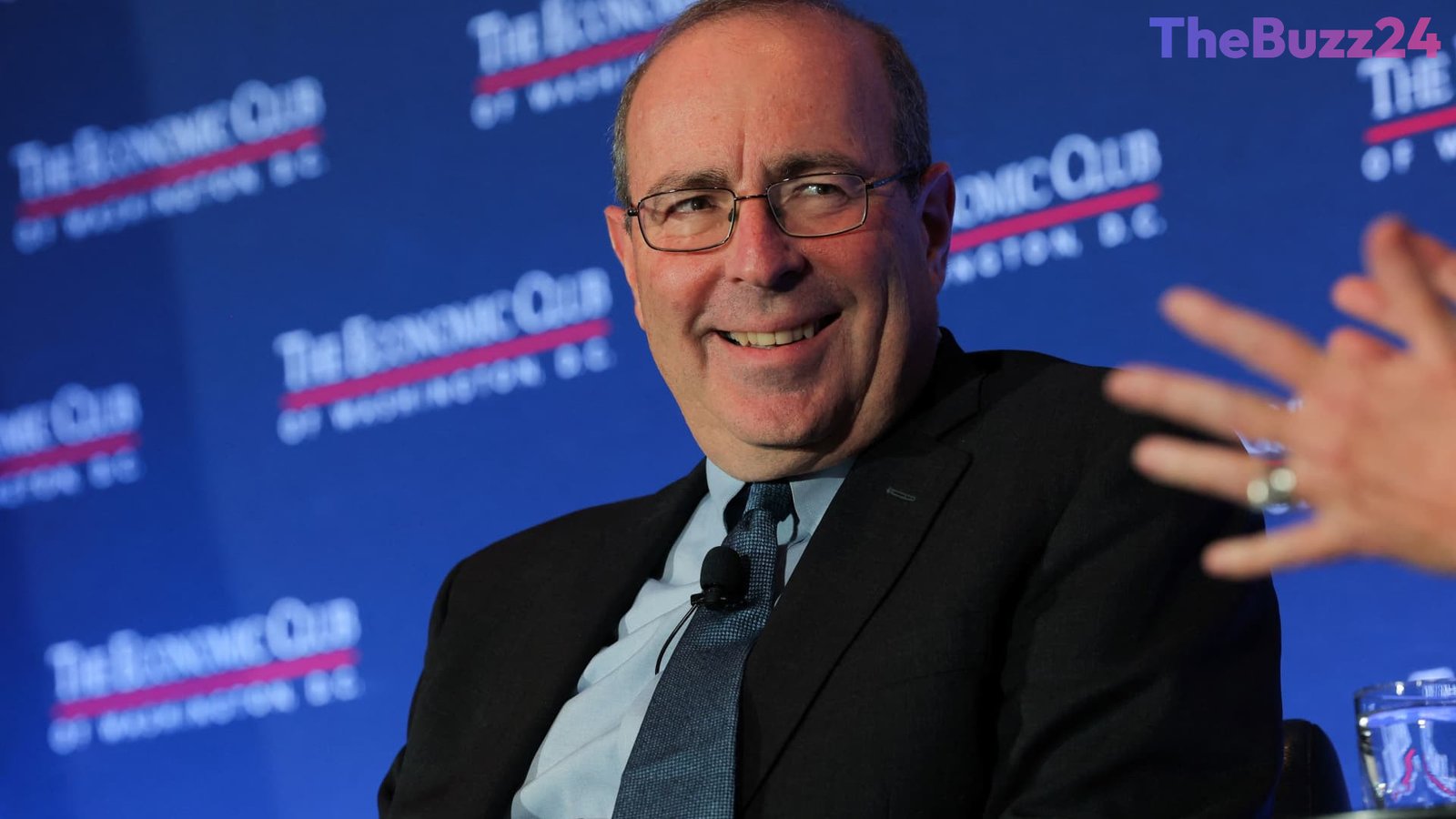
Richmond Federal Reserve President Thomas Barkin has indicated that further interest rate increases are likely necessary to combat persistent inflation. While the exact magnitude and timing of these adjustments remain under deliberation, Barkin emphasized that a gradual approach is the most prudent strategy given the current economic climate and the need to process incoming data.
Speaking at the Richmond Fed’s 2026 CFO Summit, Barkin highlighted the dichotomy of the current labor market, noting that unemployment remains near record lows while inflation levels stay uncomfortably high. He suggested that the central bank’s policy must remain flexible, as officials continue to monitor how previous rate adjustments influence consumer spending, which accounts for approximately two-thirds of the national economy.
Barkin noted that the current monetary policy is approaching a neutral stance, neither significantly restricting nor promoting growth. However, he maintained that inflation remains the primary risk to economic stability. Looking toward the future, he acknowledged that while emerging technologies like artificial intelligence may currently contribute to price pressures, they are expected to eventually enhance productivity and help alleviate inflationary trends in the long term.
These comments follow the Federal Open Market Committee’s recent decision to maintain the benchmark overnight borrowing rate within the 3.75% to 4% range. As the committee awaits further economic indicators, market expectations remain high for additional rate hikes before the end of the year, reflecting a broader consensus that more restrictive measures are required to bring inflation back to target levels.
Key Takeaways
- Richmond Fed President Thomas Barkin advocates for a gradual pace of interest rate hikes to address high inflation.
- Current economic policy is nearing a neutral state, but officials remain concerned about the impact of elevated consumer spending.
- Artificial intelligence is viewed as a potential long-term driver of productivity that could eventually help stabilize prices.
Editor’s Analysis & Impact
The Federal Reserve’s current communication strategy reflects a delicate balancing act between curbing inflation and avoiding an unnecessary economic contraction. By emphasizing a ‘gradual’ approach, policymakers like Barkin are attempting to manage market expectations while maintaining the flexibility to react to incoming data. The focus on the neutral rate suggests that the Fed is nearing the end of its aggressive tightening cycle, yet the persistent nature of inflation keeps the door open for further hikes. The mention of AI as a long-term deflationary force is particularly noteworthy, as it signals that the central bank is looking beyond immediate cyclical data to structural shifts in the economy. Investors should expect continued volatility as the market recalibrates its outlook based on the Fed’s data-dependent stance.
Frequently Asked Questions
Q: What is a 'neutral rate' in the context of Federal Reserve policy?
A: A neutral rate is the theoretical interest rate level at which monetary policy is neither expansionary nor contractionary, meaning it does not actively stimulate or slow down economic growth.
Q: Why does the Federal Reserve favor a 'gradual' pace for interest rate hikes?
A: A gradual pace allows the central bank to observe the effects of previous rate changes on the economy and inflation before committing to further moves, reducing the risk of over-tightening and causing an unintended recession.
AI Disclosure: This article is based on verified data and official reports. Our Team and AI have cross-referenced every financial detail with primary sources to ensure total accuracy.
More from this Category