Wave of Hoax Bomb Threats Disrupts European Air Travel, Triggering Security Scrutiny
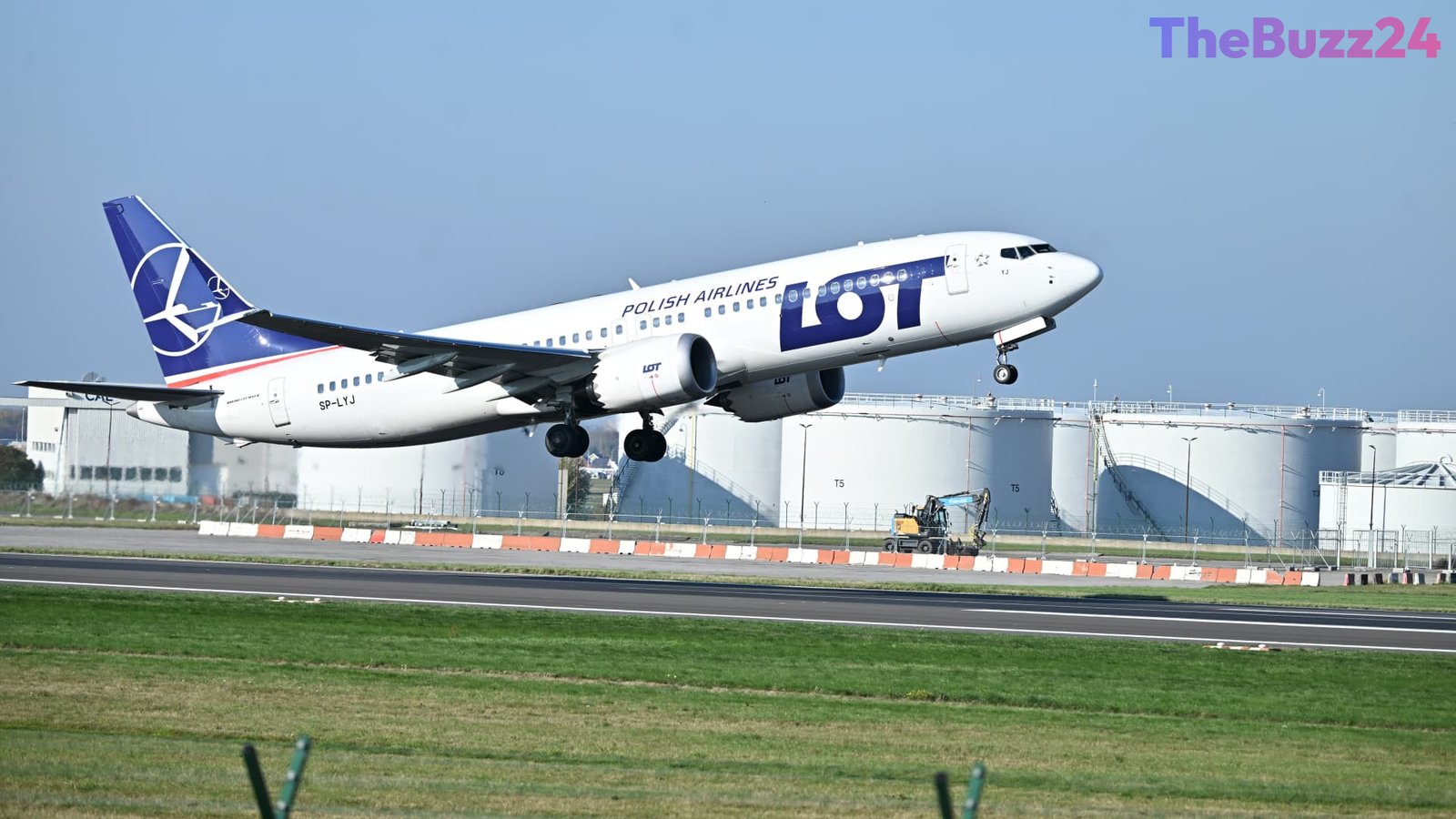
A widespread series of malicious hoax bomb threats has severely disrupted commercial aviation across Europe this week, forcing multiple flight diversions, emergency landings, and heightened security responses in several major cities. Major international carriers, including Aer Lingus, Finnair, Wizz Air, and LOT, confirmed that dozens of their flights were targeted by unfounded security alerts over a span of several days.
The coordinated wave of false threats impacted air routes connected to key transit hubs such as London, Copenhagen, Dublin, Helsinki, Prague, and Warsaw. On Thursday alone, at least 27 flights experienced disruptions. Some aircraft were forced to make unexpected landings, while others were intercepted and escorted by military fighter jets to ensure passenger safety. Local authorities, bomb squads, and intelligence agencies across multiple nations quickly mobilized to inspect the targeted aircraft, ultimately confirming that all threats were false alarms and that passengers and crew remained safe.
In one notable incident, an Aer Lingus flight traveling from Dublin to Rome was diverted to northern France, where it faced intense security protocols and a subsequent investigation by French prosecutors regarding pilot compliance with landing directives. Meanwhile, aviation executives and government officials have emphasized the unprecedented nature of the disruptions. While European Union officials have activated cross-border information-sharing mechanisms to investigate the source of the false alarms, industry leaders remain optimistic that the incidents will not permanently deter travelers or undermine public confidence in commercial aviation safety.
Key Takeaways
- Dozens of flights across major European carriers were disrupted this week due to a coordinated wave of hoax bomb threats.
- Airlines such as Finnair, Wizz Air, Aer Lingus, and LOT confirmed that affected aircraft were safely cleared after security inspections.
- European authorities have activated cross-border information-sharing mechanisms to investigate the origin of the false threats.
Editor’s Analysis & Impact
The recent surge in coordinated hoax bomb threats highlights the ongoing vulnerability of global aviation infrastructure to psychological disruption and logistical chaos. Although the threats were ultimately unfounded, the financial and operational tolls on major European carriers are significant, leading to costly flight diversions, missed connections, and increased security expenditures. Beyond the immediate economic impact, these events underscore the critical need for advanced intelligence-sharing and standardized cross-border protocols among European Union member states. As aviation security agencies adapt to evolving hybrid threats, the industry must balance stringent safety measures with operational efficiency to prevent long-term damage to consumer confidence and travel demand.
Frequently Asked Questions
Q: What caused the recent flight disruptions across Europe?
A: The disruptions were caused by a coordinated series of malicious hoax bomb threats targeting multiple commercial airlines and airports across several European countries.
Q: Were any passengers injured during these incidents?
A: No. All targeted flights landed safely, and thorough inspections by local authorities confirmed that the threats were completely unfounded, resulting in no injuries.
Q: Which airlines were affected by the false threats?
A: Several major carriers confirmed being targeted, including Finnair, Wizz Air, Aer Lingus, and Polish airline LOT.
AI Disclosure: This article is based on verified data and official reports. Our Team and AI have cross-referenced every financial detail with primary sources to ensure total accuracy.
More from this Category