Middle East War Escalation Risks Persist as Crude Oil Markets Face Renewed Volatility
Despite recent shifts in the American political landscape following the midterm elections, geopolitical risks in the Middle East remain intensely elevated. Financial markets experienced a sharp sell-off in crude oil prices earlier as investors speculated that political changes in Washington might pressure the administration toward a diplomatic resolution with Iran. However, regional defense experts and commodity strategists warn that market optimism may be detached from the harsh reality on the ground, where the underlying risk of open conflict remains exceptionally high.
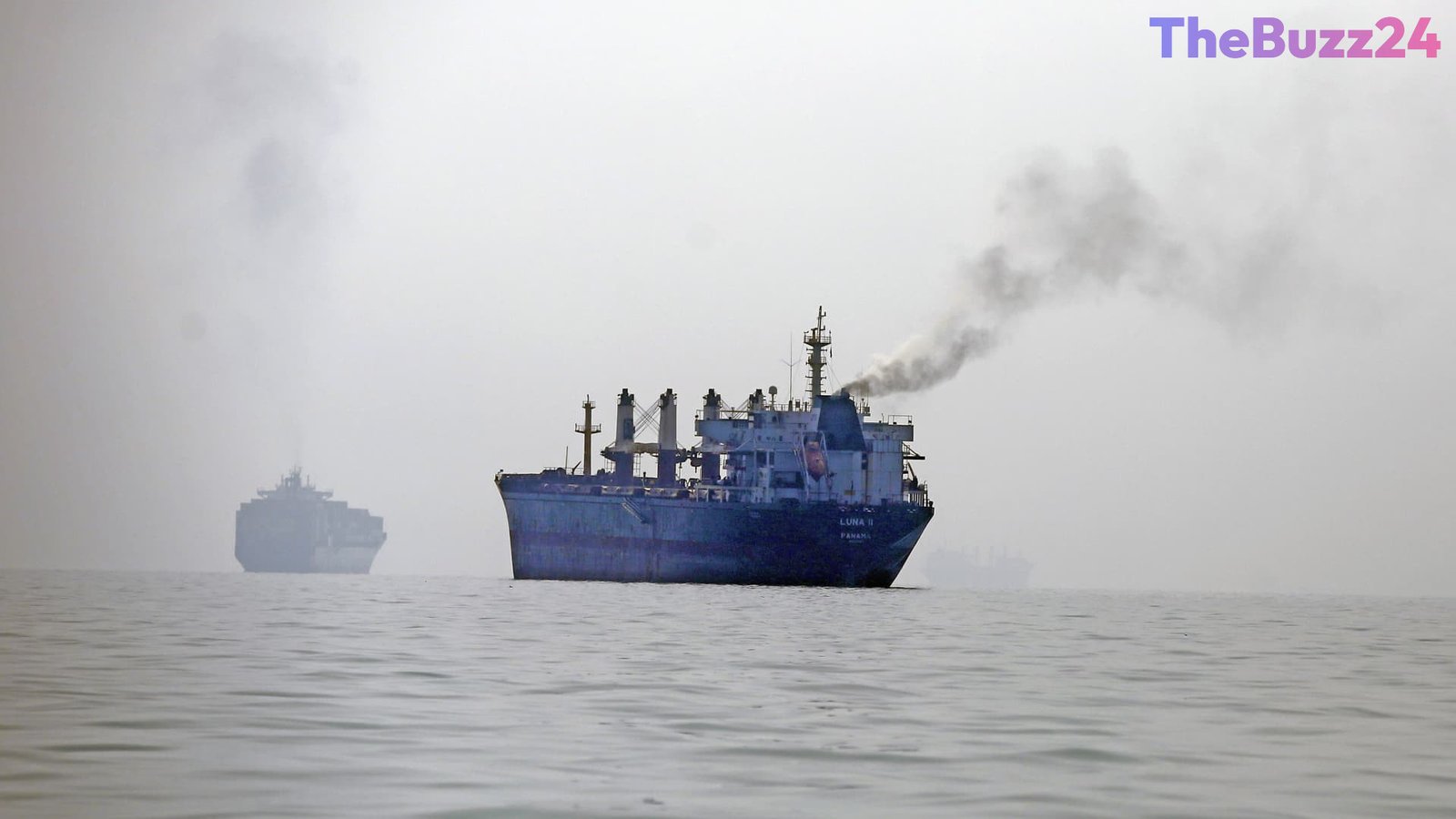
Tensions across the Gulf region continue to intensify. Recent incidents involving maritime security include attacks on commercial oil tankers near Oman, alongside persistent missile strikes launched by regional allies toward neighboring territories. In response, the United States military is maintaining a robust forward presence, deploying a third aircraft carrier strike group to the region. President Donald Trump has reaffirmed an uncompromising stance regarding Tehran’s nuclear ambitions, signaling that potential military action remains actively on the table despite informal diplomatic discussions mediated by regional partners.
Legislative efforts to curb military operations face significant timing and structural hurdles. Although incoming congressional leaders plan to introduce war powers legislation aimed at limiting executive military actions, the procedural transition of power will not occur until January. Furthermore, executive veto power and existing authority over defense operations leave executive decision-making largely unimpeded in the near term. Analysts note that Congress’s primary leverage will ultimately depend on upcoming federal funding negotiations rather than immediate legislative mandates.
Energy markets remain acutely susceptible to any sudden military escalation. Market analysts project that a resumption of active hostilities could rapidly drive global crude benchmarks, including Brent crude and West Texas Intermediate, back well above $100 per barrel. With key ideological impasses between Washington and Tehran persisting, the potential for broad disruptions in refined products such as gasoline, diesel, and aviation fuel poses an ongoing threat to global economic stability.
Key Takeaways
- Geopolitical tensions between the U.S. and Iran remain high despite political shifts following midterm elections and temporary drops in crude oil prices.
- U.S. military posture in the Middle East is intensifying with additional carrier strike groups while executive leadership maintains that Iran will not be permitted nuclear capabilities.
- Energy analysts warn that any resumption of hostitilies could rapidly push crude oil benchmarks past $100 per barrel, triggering broad fuel inflation.
Editor’s Analysis & Impact
The stark divergence between short-term market sentiment and geopolitical reality highlights a crucial vulnerability in global energy markets. While financial traders initially priced in a de-escalation based on domestic political shifts, the fundamental drivers of conflict between Washington and Tehran remain unresolved. The administration’s unwavering commitment to preventing an Iranian nuclear capability, paired with Tehran’s resistance to unilateral demands, keeps the threshold for military conflict dangerously low. From a macroeconomic perspective, any severe escalation threatening energy infrastructure or key maritime transit corridors like the Strait of Hormuz will immediately trigger price spikes in global energy benchmarks. Consequently, global markets must prepare for sustained volatility, as diplomatic options appear limited while military readiness reaches historic highs across the Gulf region.
Frequently Asked Questions
Q: Why did oil prices initially drop after the election results?
A: Oil prices declined as market participants anticipated that changes in legislative leadership might create political pressure to scale back military involvement, sparking temporary market optimism for a diplomatic resolution.
Q: Can Congress immediately halt military action in the Middle East?
A: No. Incoming congressional members do not take office until January, and even then, executive authority and veto capabilities limit immediate legislative intervention. The primary congressional leverage lies in long-term budget negotiations.
Q: How high could oil prices rise if full conflict breaks out?
A: Industry analysts estimate that renewed military hostilities could quickly push crude oil prices back above $100 per barrel, driving up costs for gasoline, diesel, and jet fuel globally.
AI Disclosure: This article is based on verified data and official reports. Our Team and AI have cross-referenced every financial detail with primary sources to ensure total accuracy.
More from this Category