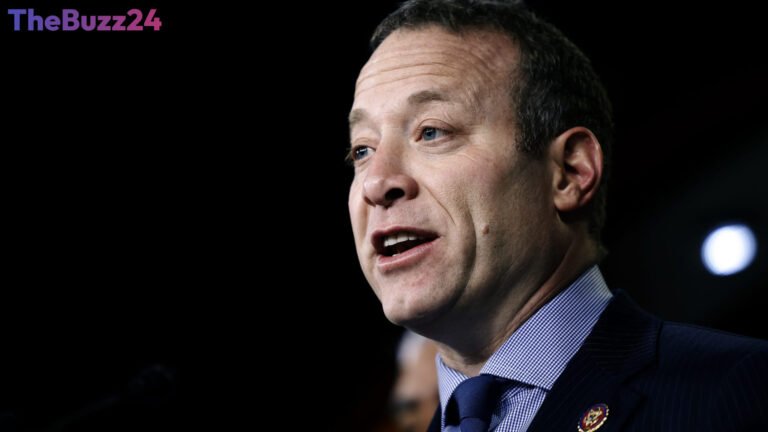
The Socialist Surge: Democratic Left Gains Ground Amidst National Skepticism
Democratic socialists have achieved a historic milestone in the latest election cycle, quadrupling their presence in the House of Representatives. While these victories represent the movement’s largest foothold in Congress to date, the broader Democratic sweep may limit the group’s immediate legislative leverage. As the party prepares for the next legislative session, the influx of new members backed by the Democratic Socialists of America (DSA) has sparked an internal debate regarding the party’s ideological direction and its appeal to moderate voters.
Despite the electoral gains, public sentiment toward socialism remains largely negative. Recent polling indicates that a majority of voters view socialism unfavorably, even as a significant portion of the electorate expresses deep frustration with the current economic system. Many Americans feel that the status quo disproportionately benefits the wealthy, fueling a populist sentiment that transcends traditional party lines. This disconnect presents a complex challenge for Democrats as they attempt to balance calls for systemic reform with the need to maintain a broad coalition ahead of the 2028 presidential election.
Beyond the ballot box, the movement is rapidly professionalizing its operations. By securing support from wealthy donors and expanding its grassroots organizing infrastructure, the DSA is positioning itself for long-term influence. While some Wall Street analysts and business leaders initially expressed concern over the rise of socialist-aligned politicians, recent experience—such as the tenure of New York City Mayor Zohran Mamdani—suggests that the practical impact of these officials often proves less radical than initial fears suggested. As the movement looks toward 2028, the focus remains on whether this growing political infrastructure can translate into a national platform that resonates with a wider, more diverse electorate.
Key Takeaways
- Democratic socialists quadrupled their House presence, though their influence may be tempered by the overall Democratic majority.
- Public opinion polls show a clear divide, with a majority of voters viewing socialism unfavorably despite widespread dissatisfaction with current economic inequality.
- The movement is successfully building a sophisticated financial and grassroots infrastructure to support future national campaigns leading into 2028.
Editor’s Analysis & Impact
The rise of democratic socialism within the U.S. political landscape reflects a deeper, systemic dissatisfaction with wealth concentration and the ‘K-shaped’ economic recovery. While the movement faces a significant branding hurdle due to the negative connotation of the term ‘socialism’ among the general public, its ability to tap into populist economic grievances is undeniable. The future outlook suggests a shift toward ‘populist pragmatism,’ where candidates focus on tangible benefits—such as childcare and corporate accountability—rather than ideological purity. For the business sector, the primary implication is not an immediate dismantling of capitalism, but rather a sustained push for increased regulation and wealth redistribution. The movement’s success in 2028 will likely depend on its ability to bridge the gap between its progressive base and the moderate swing voters necessary to secure executive power.
Frequently Asked Questions
Q: Does the increase in socialist-backed representatives mean a radical shift in U.S. policy?
A: Not necessarily. While the number of DSA-backed members has increased, they remain a small minority within the House. Furthermore, the broader Democratic majority may dilute their individual bargaining power, leading to more moderate legislative outcomes.
Q: Why are voters supporting socialist candidates if they view socialism unfavorably?
A: Voters are often driven by economic frustration and a desire for populist policies that address wealth inequality. Many voters support specific reforms, such as expanded healthcare or corporate regulation, even if they do not identify with the 'socialist' label itself.
AI Disclosure: This article is based on verified data and official reports. Our Team and AI have cross-referenced every financial detail with primary sources to ensure total accuracy.
More from this Category