U.S. Executes Targeted Military Strikes in Iran as Tensions Escalate Near Strategic Maritime Routes
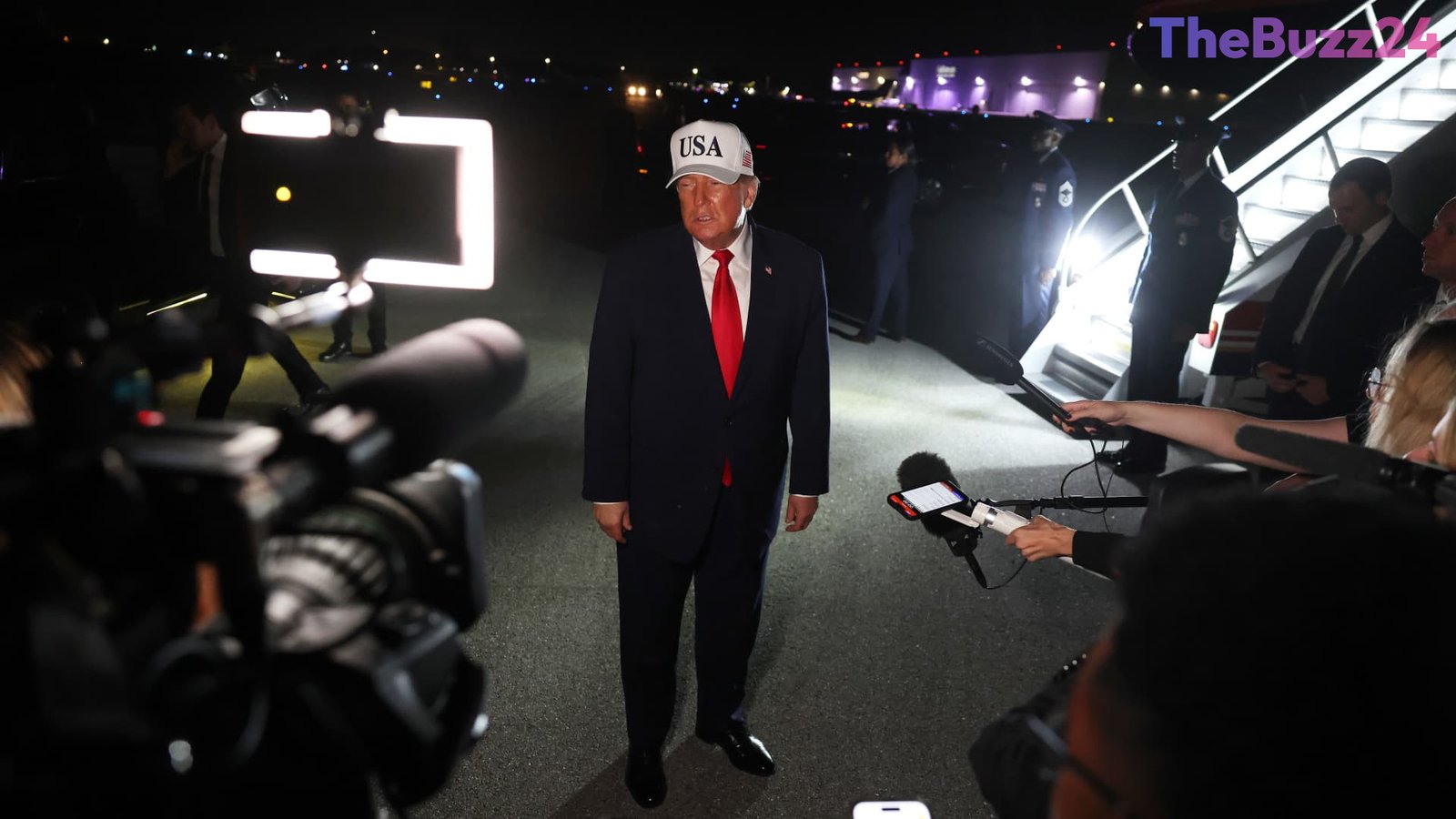
President Donald Trump revealed that the United States recently executed targeted military strikes against Iranian positions, neutralizing newly constructed anti-aircraft defenses in a swift operation. The statement coincides with reports of missile detonations on Qeshm Island, a crucial geographic location situated near the Strait of Hormuz—a key maritime conduit for global crude oil and natural gas transport. Although the administration did not explicitly confirm if the reported Qeshm Island impacts were directly tied to the specific anti-aircraft engagement mentioned, earlier defensive actions on the island were confirmed by defense officials.
The latest military actions represent the first recorded U.S. operations in the region following the U.S. midterm elections. International observers and regional analysts have been debating whether the post-election political environment would incline Washington toward further military escalation or renewed diplomatic engagement. Commenting on the standoff, Trump indicated that severe economic pressures and military setbacks have left Iran eager to negotiate a deal, citing the country’s soaring inflation and degraded defensive infrastructure.
Despite Washington’s assertions regarding potential negotiations, Iranian leadership maintains that verbal assurances are insufficient to resume formal diplomatic talks. Officials in Tehran stressed that practical, verifiable measures from the United States are required before any new phase of diplomacy can begin. As both nations exchange warnings, security analysts continue to monitor the Strait of Hormuz, where ongoing military friction threatens to disrupt critical international commercial shipping lanes.
Key Takeaways
- President Donald Trump confirmed targeted U.S. strikes that neutralized Iranian anti-aircraft defenses within minutes.
- Missile detonations were reported on Qeshm Island, a strategic territory located near the vital Strait of Hormuz shipping lane.
- Tehran insists on practical actions rather than verbal commitments from Washington before re-entering diplomatic negotiations.
Editor’s Analysis & Impact
The persistent military friction between the United States and Iran around the Strait of Hormuz introduces heightened risk to global energy markets and international shipping operations. Because a significant portion of the world’s seaborne petroleum passes through this narrow passage, localized military actions inevitably elevate maritime insurance premiums and spark volatility in crude oil futures. Simultaneously, intense economic pressures and high inflation inside Iran complicate domestic policy while driving hardline geopolitical positions. While public statements suggest a mutual awareness of the need for negotiation, the demand for tangible concessions demonstrates that reaching a diplomatic resolution will be a prolonged and fragile process. Market participants should anticipate continued geopolitical risk premiums in the energy sector.
Frequently Asked Questions
Q: Where were the recent military strikes focused?
A: The strikes targeted Iranian anti-aircraft infrastructure, with reported missile impacts occurring on Qeshm Island, located near the southern coast of Iran along the Strait of Hormuz.
Q: What is Iran's condition for entering diplomatic talks with the U.S.?
A: Iranian officials have stated that Washington must demonstrate practical and concrete measures rather than relying on verbal commitments before Tehran will enter a new phase of negotiations.
Q: Why is Qeshm Island strategically significant?
A: Qeshm Island lies adjacent to the Strait of Hormuz, one of the world's most critical maritime chokepoints for global oil and natural gas shipments.
AI Disclosure: This article is based on verified data and official reports. Our Team and AI have cross-referenced every financial detail with primary sources to ensure total accuracy.
More from this Category