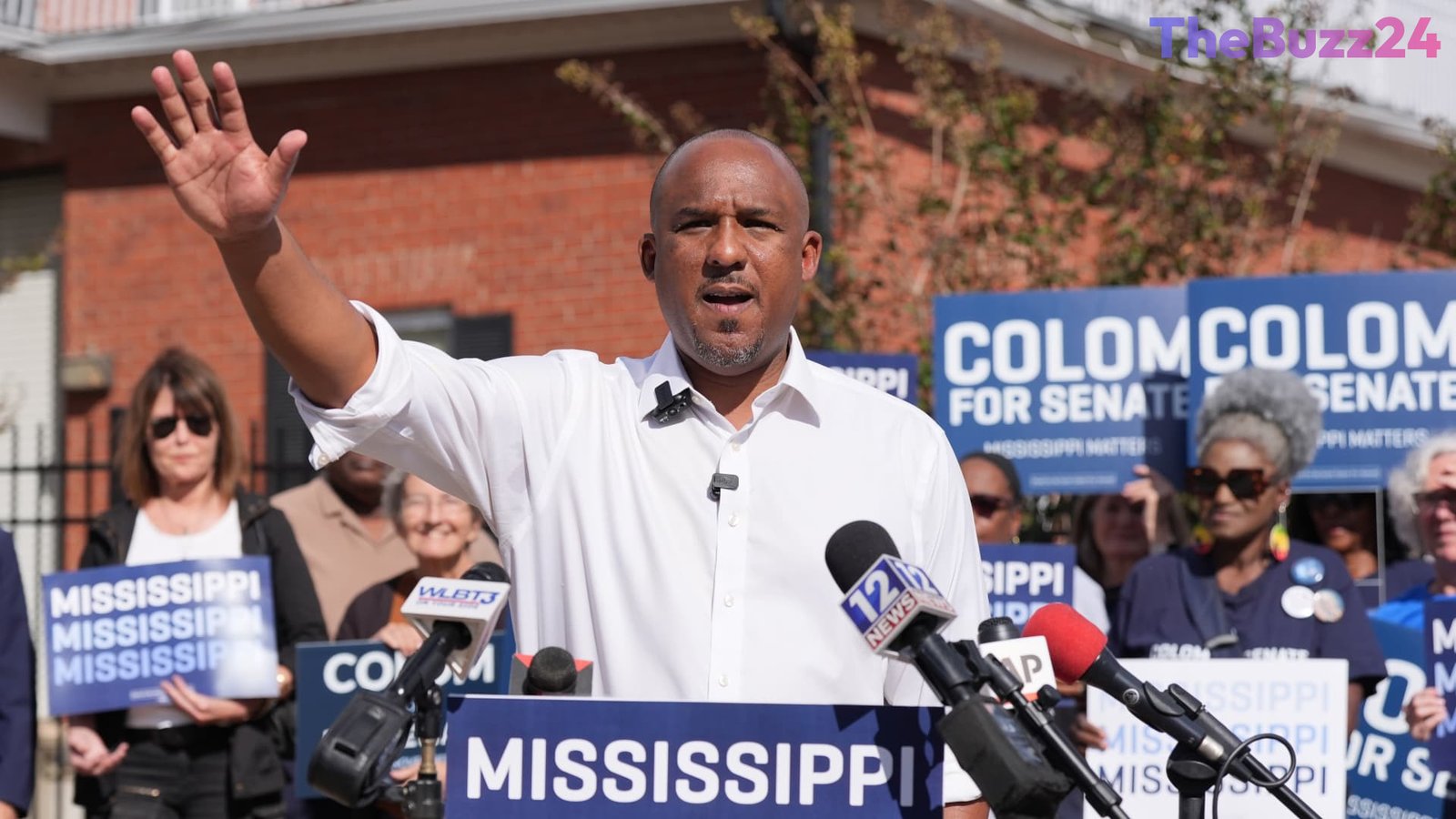
Historic U.S. Senate Vote Count in Mississippi Puts Scott Colom on the Brink of Making Political History
Local prosecutor Scott Colom stands on the verge of a historic achievement as Mississippi continues to process uncounted ballots following a tightly contested U.S. Senate election. If victorious over incumbent Republican Senator Cindy Hyde-Smith, Colom would become the state’s first Black U.S. senator since the post-Civil War Reconstruction era. The ongoing tally has generated widespread anticipation across Black communities in Mississippi, where African Americans comprise nearly 40 percent of the population despite historically having minimal representation in top state and federal offices.
Election officials across Mississippi’s 82 counties are currently reviewing outstanding absentee and affidavit ballots to determine the final outcome. Under state guidelines, valid absentee ballots can be processed up to five business days following Election Day, while voters with identification discrepancies must verify their details with local election offices before official county certifications. While Hyde-Smith has signaled confidence in her position, Colom has expressed optimism regarding the late-arriving vote tallies and urged patience as election authorities finalize the verification process.
Although the Mississippi Senate race will not shift the broader majority control of the federal legislature, a victory for Colom would signal a monumental political shift within a state long dominated by conservative leadership. Mississippi law lacks a provision for an automatic statewide recount, leaving any potential challenges to be pursued county-by-county through the court system once official results are certified by local boards.
Beyond the immediate campaign dynamics, Colom’s candidacy carries deep historical resonance. Ending his campaign with a message filmed at the historic home of slain civil rights pioneer Medgar Evers, Colom emphasized the long-standing sacrifices made to secure voting access in the Deep South. For local voters and community leaders, the remarkably close race highlights a growing awareness of electoral power and democratic engagement in regions previously viewed as uncompetitive political strongholds.
Key Takeaways
- Scott Colom could become Mississippi's first Black U.S. Senator since the Reconstruction era as county officials finalize vote tallies.
- The competitive race between incumbent Republican Sen. Cindy Hyde-Smith and Democratic candidate Scott Colom relies on processing remaining absentee and affidavit ballots.
- While the result will not shift control of the U.S. Senate, a Colom victory would mark a major political milestone in the Deep South.
Editor’s Analysis & Impact
The ongoing vote count in Mississippi underscores broader shifts occurring across southern political dynamics, particularly regarding voter turnout and demographic representation. Historically, conservative dominance in the state led national political committees to underinvest in statewide Democratic campaigns in Mississippi. However, strong community mobilization around Scott Colom demonstrates that competitive margins are achievable even in traditional non-battleground states. Moving forward, political strategists will likely re-evaluate investment models in the Deep South, recognizing that strong localized messaging paired with high community engagement can narrow historical election gaps. Regardless of the final certified result, this race establishes a precedent for heightened voter engagement that could influence future congressional contests across the region.
Frequently Asked Questions
Q: Why is Scott Colom's Senate race in Mississippi considered historic?
A: If elected, Scott Colom would become Mississippi's first Black U.S. Senator since the post-Civil War Reconstruction era, representing a historic milestone in a state where Black residents make up nearly 40 percent of the population.
Q: Will the result of the Mississippi Senate race change control of the U.S. Senate?
A: No, the outcome of this specific race will not alter the overall majority power balance in the federal Senate, though it carries major local and state significance.
Q: How are the remaining votes being processed in Mississippi?
A: County election officials are examining outstanding absentee ballots and provisional affidavit ballots to verify voter eligibility and identity prior to final county certification deadlines.
AI Disclosure: This article is based on verified data and official reports. Our Team and AI have cross-referenced every financial detail with primary sources to ensure total accuracy.
More from this Category