U.S. Secretary Rubio Labels Iranian Demands ‘Outrageous’ Amid Stalled Mideast Diplomacy
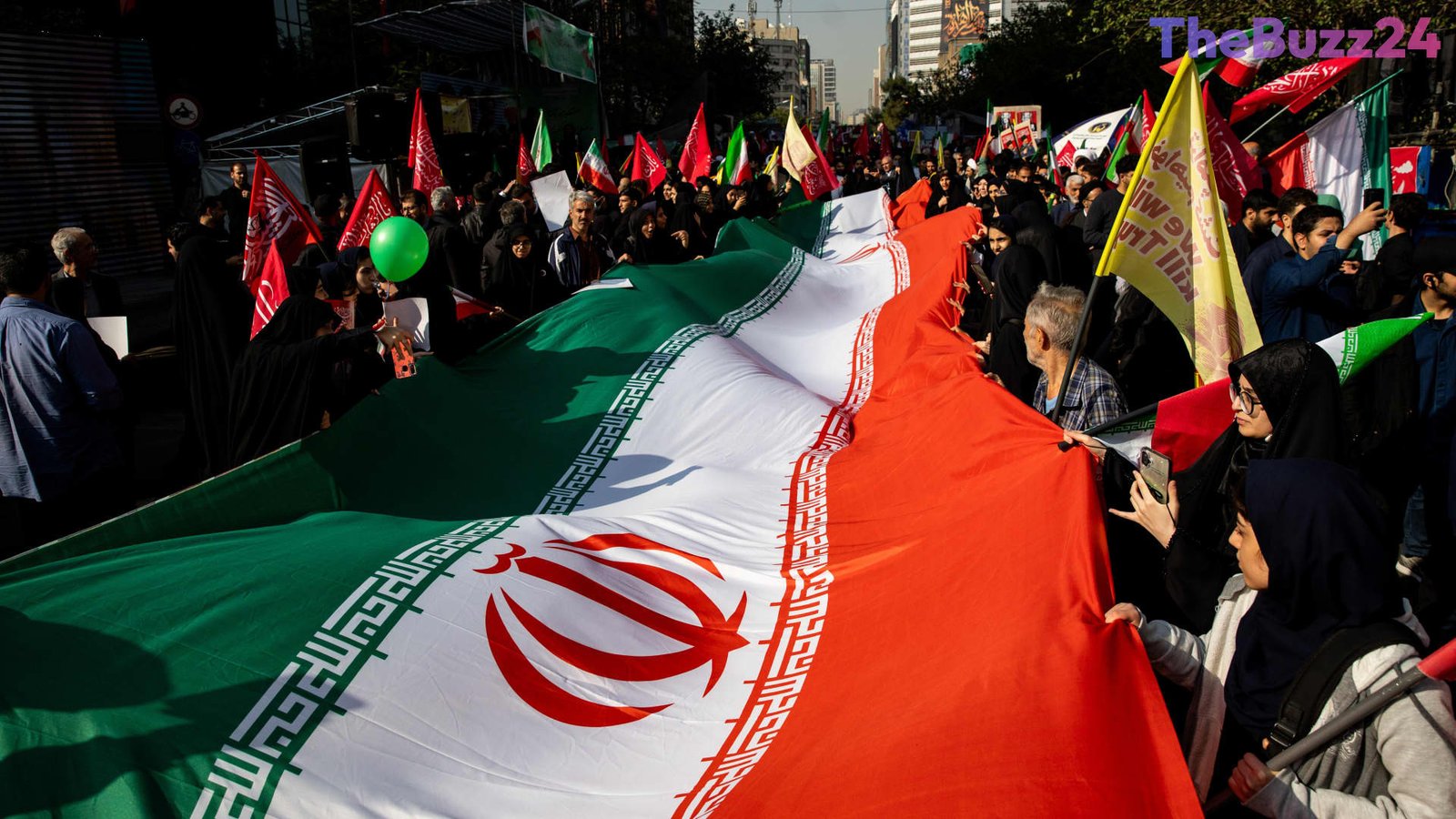
U.S. Secretary of State Marco Rubio has expressed significant skepticism regarding the prospects of a diplomatic breakthrough with Iran, describing some of Tehran’s demands as “outrageous and ridiculous.” These strong remarks underscore the deep chasm separating the two nations as efforts to de-escalate tensions and find a lasting resolution in the Middle East appear to be at a standstill.
Speaking to reporters in Florida before heading to Paris for the G7 foreign ministers’ meeting, Secretary Rubio indicated that negotiations remain far from productive. Iran has reportedly proposed shortening the timeframe for restarting talks from seven days to two, yet its core conditions for engagement remain a major sticking point. Tehran insists on the complete lifting of U.S. sanctions and an end to the ongoing conflict on all fronts before any negotiations can commence, a stance that Rubio deemed unrealistic and unacceptable.
Meanwhile, President Donald Trump has reiterated his preference for diplomatic solutions to international challenges, including the current standoff with Iran. However, he acknowledged that such an approach is not always feasible. President Trump’s recent statement that renewed military strikes on Iran were “highly unlikely” if diplomatic progress is made had an immediate impact on global energy markets. Oil prices saw a decline on Monday, with Brent crude, the international benchmark, falling 0.75% to $97.58 per barrel, and U.S. West Texas Intermediate futures for December delivery trading 0.42% lower at $90.45. This suggests market sensitivity to any signals of de-escalation, even as the diplomatic path remains fraught with challenges.
Key Takeaways
- U.S. Secretary of State Marco Rubio characterized Iran's demands for resuming negotiations as "outrageous and ridiculous," highlighting a significant diplomatic impasse.
- Iran insists on the lifting of U.S. sanctions and an end to the ongoing conflict before any talks can proceed, a condition the U.S. finds unacceptable.
- President Donald Trump's statement that further strikes are "highly unlikely" if negotiations advance led to a decline in global oil prices.
Editor’s Analysis & Impact
The ongoing diplomatic deadlock between the U.S. and Iran carries significant implications for global stability and energy markets. Secretary Rubio’s strong condemnation of Iran’s demands signals that a resolution is not imminent, suggesting continued geopolitical uncertainty in the Middle East. This protracted stalemate could sustain a risk premium in oil prices, despite the temporary dip following President Trump’s comments on unlikely strikes. The market’s immediate reaction to Trump’s remarks underscores the sensitivity of energy prices to geopolitical rhetoric. Looking ahead, the lack of a clear path to negotiation, coupled with Iran’s firm stance on sanctions relief, indicates that tensions are likely to persist, potentially impacting trade routes like the Strait of Hormuz and influencing broader international relations. A breakthrough would require substantial concessions from either side, which currently appears unlikely.
Frequently Asked Questions
Q: What are Iran's key demands for resuming negotiations with the U.S.?
A: Iran's primary demands for restarting negotiations include the complete lifting of all U.S. sanctions and an end to the ongoing conflict on all fronts.
Q: How did President Trump's comments impact oil prices?
A: President Trump's statement that renewed military strikes were "highly unlikely" if negotiations progressed led to a fall in oil prices. Brent crude dropped 0.75% and U.S. West Texas Intermediate futures were down 0.42%.
Q: What is the U.S. stance on Iran's demands?
A: U.S. Secretary of State Marco Rubio has described Iran's demands as "outrageous and ridiculous," indicating that the U.S. finds them unacceptable and unrealistic for productive negotiations.
AI Disclosure: This article is based on verified data and official reports. Our Team and AI have cross-referenced every financial detail with primary sources to ensure total accuracy.
More from this Category