France Accuses Iran of Widespread Cyberattacks on European Cold Storage and Medical Facilities
The French government has formally accused Iran of orchestrating extensive cyberattacks that targeted thousands of internet-connected industrial refrigeration and freezer units across France and other parts of Europe. This incident marks a significant escalation in cyber warfare, with French officials describing it as an unprecedented act of sabotage on national territory.
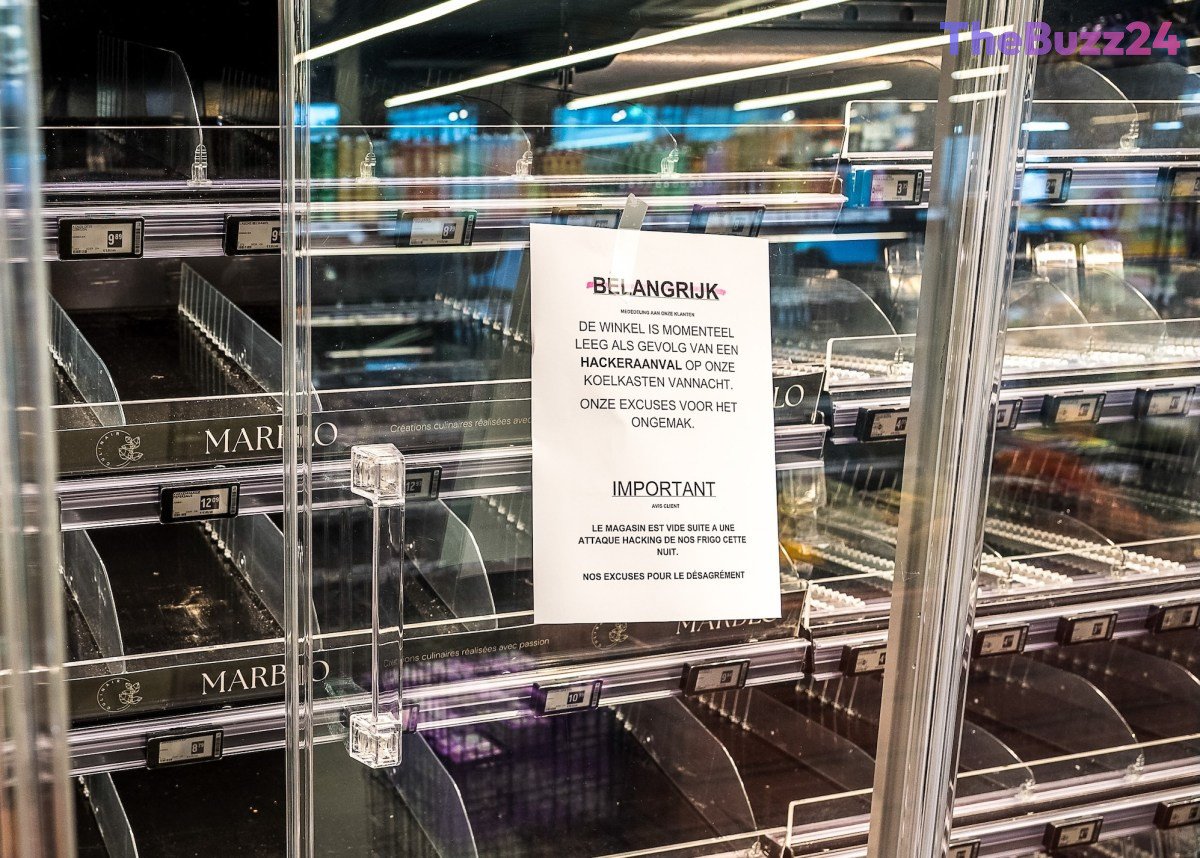
The sophisticated intrusions, which occurred in two waves throughout October and November, saw hackers remotely compromise web-based controllers managing industrial cold storage fleets. These attacks aimed to disrupt operations at grocery stores and retail supermarkets by raising temperatures, potentially spoiling food and destroying goods. Critically, medical blood banks were also targeted; however, officials at the French Blood Establishment confirmed that these attacks were successfully thwarted before any blood supplies could be compromised. Security researchers have since highlighted the vulnerabilities of these web-based controllers, noting that some affected models, including those from Danish company Danfoss, no longer receive essential security updates.
In a direct statement to reporters in Paris, French Foreign Minister Jean-Noël Barrot unequivocally attributed responsibility for the attacks to the Islamic Revolutionary Guard Corps, Iran’s military and hacking arm. Barrot emphasized the gravity of the situation, stating that such a large-scale assault on France’s interests and the security of its citizens would not go without consequences. In response, the French government has summoned Iran’s ambassador and announced plans to implement European-wide sanctions against those involved in the hacks, with the matter now referred to the French justice system.
This series of attacks follows a pattern of destructive cyber incidents attributed to Iran this year, including intrusions targeting U.S. water providers and disruptions to medical device manufacturers. The U.S. government has also reportedly linked these freezer-related cyberattacks to pro-Iranian hacktivists, potentially in retaliation for geopolitical tensions. While a spokesperson for Iran’s consulate in New York has not yet responded to requests for comment, U.S. officials are reportedly investigating whether similar outages on military bases earlier this year are connected to these broader cyber campaigns.
Key Takeaways
- France has formally accused Iran's Islamic Revolutionary Guard Corps of launching extensive cyberattacks against industrial freezers in France and broader Europe.
- The attacks targeted grocery stores and medical blood banks, aiming to spoil food and disrupt critical services, though blood bank attacks were reportedly stopped before damage occurred.
- The incident is considered an 'unprecedented act of sabotage,' leading France to summon Iran's ambassador and plan European-wide sanctions, while the U.S. also investigates similar incidents.
Editor’s Analysis & Impact
This incident underscores a dangerous escalation in state-sponsored cyber warfare, particularly targeting critical civilian infrastructure like cold chain logistics and healthcare. The market impact will likely see increased demand for robust cybersecurity solutions, especially for industrial control systems (ICS) and legacy hardware, potentially driving significant investment in supply chain resilience across Europe. For industries reliant on refrigeration, this highlights an urgent need to audit and secure their digital infrastructure.
Looking ahead, this attribution could further strain international relations and lead to a more fragmented and weaponized cyberspace, where economic and social disruption becomes a primary tool of conflict. The targeting of civilian assets suggests a shift towards broader societal impact rather than purely military or governmental targets. This event will undoubtedly prompt a re-evaluation of national cybersecurity strategies and potentially foster greater international cooperation on cyber defense, or conversely, trigger retaliatory measures and increased isolation.
Frequently Asked Questions
Q: What was the primary target of these cyberattacks?
A: The attacks primarily targeted internet-connected industrial refrigerated and freezer units in grocery stores, retail supermarkets, and medical blood banks across France and broader Europe.
Q: Who did France attribute the cyberattacks to?
A: France formally attributed responsibility for the cyberattacks to Iran's Islamic Revolutionary Guard Corps, citing it as an 'unprecedented act of sabotage' on national territory.
Q: What were the immediate consequences of the attacks?
A: The attacks aimed to spoil food by remotely raising temperatures in industrial freezers. While blood banks were targeted, the attacks were stopped before any blood was spoiled. In response, France has summoned Iran's ambassador and plans to issue European-wide sanctions against those involved.
AI Disclosure: This article is based on verified data and official reports. Our Team and AI have cross-referenced every financial detail with primary sources to ensure total accuracy.
More from this Category