Tesla Accelerates Robotaxi Rollout, Launching in San Antonio
Tesla is broadening its autonomous ride-hailing service, introducing its robotaxi operations to San Antonio, Texas. This latest expansion marks another step in the electric vehicle manufacturer’s ambition to establish itself as a leader in autonomous transportation, directly challenging competitors like Waymo.
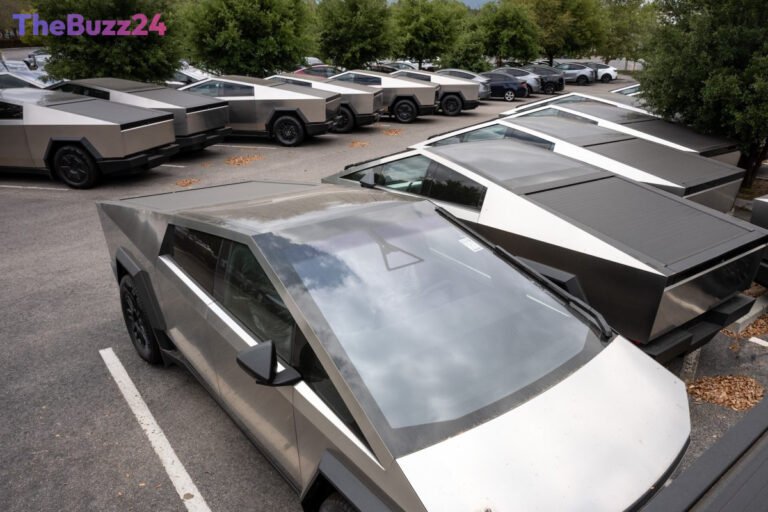
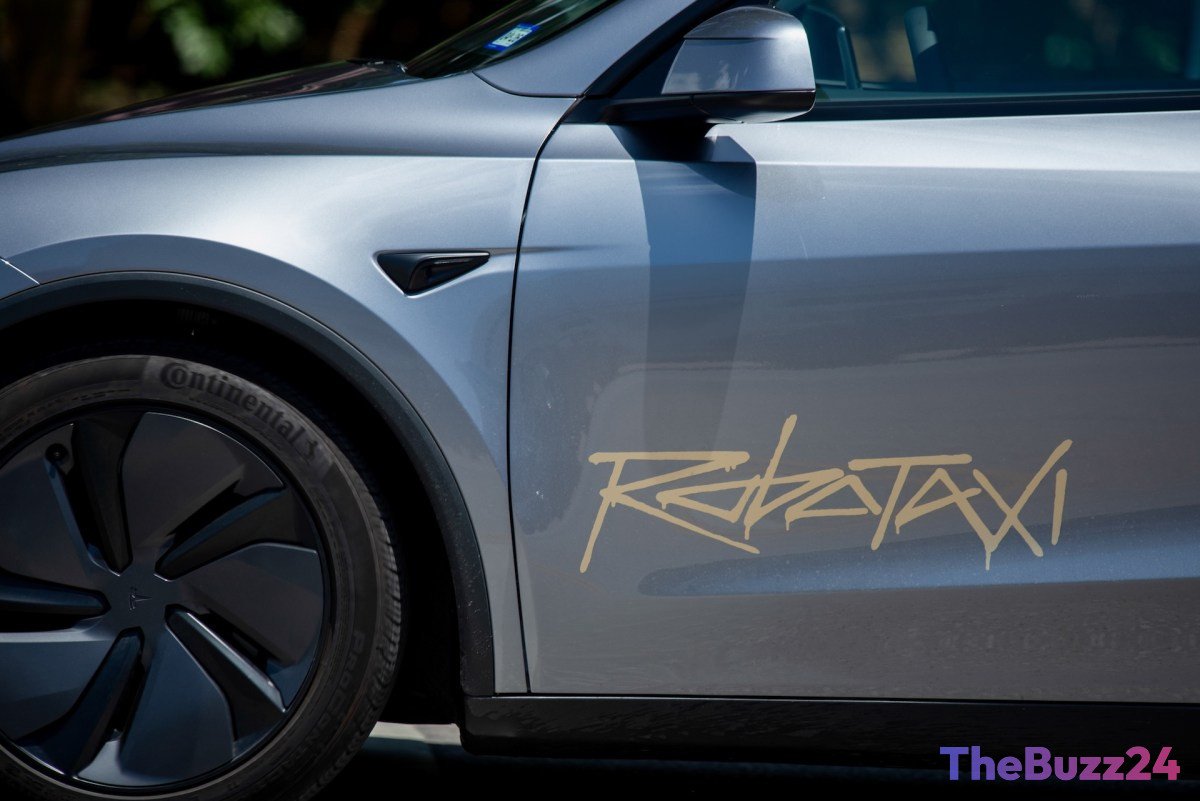
The service commenced operations on Monday morning, though specific details regarding operating hours, the types of vehicles deployed (including the potential use of the Cybercab or modified Model Ys), and the presence of human safety monitors were not immediately disclosed. Following its established pattern, Tesla is expected to initiate the service with a limited fleet size and a defined operational zone, with plans for gradual expansion as the service matures.
This move into San Antonio follows Tesla’s decade-long pursuit of autonomous driving technology. The company launched its initial robotaxi service in Austin in June 2025, a significant milestone that tested the efficacy of camera-based, AI-driven autonomous systems. Since then, Tesla has been steadily growing its footprint, removing safety operators in Austin in January of this year to enable fully driverless operation. The service has since expanded to include limited areas in Florida and other Texas cities such as Dallas, Fort Worth, and Houston.
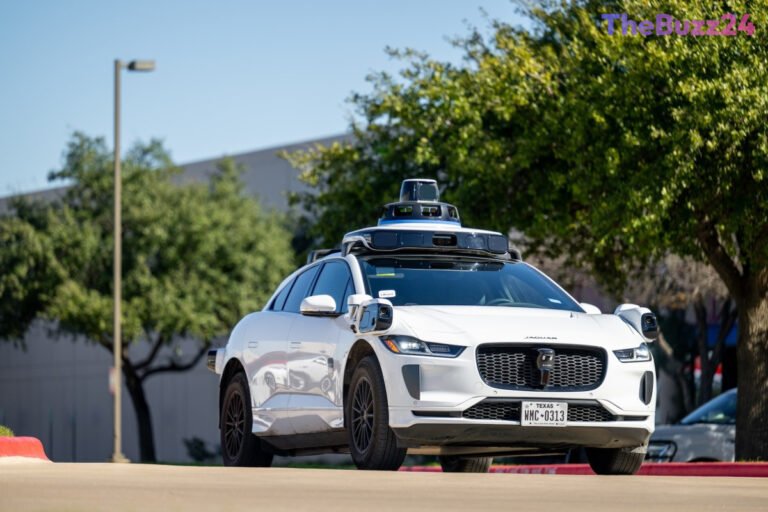
Tesla’s expansion places it in direct competition with Waymo, Alphabet’s autonomous vehicle subsidiary, which also offers robotaxi services in San Antonio, Austin, Dallas, and Houston. Waymo utilizes a fleet of Jaguar I-Pace and Zeekr RT vehicles. Waymo had previously paused its San Antonio operations for five months due to incidents involving vehicles getting stuck in flooded areas, but has since resumed service.
While Tesla’s Austin fleet is substantial, with over 400 registered autonomous vehicles, its fleets in other cities are considerably smaller, ranging from a few vehicles to a few dozen, according to available data. This strategic expansion into new markets underscores Tesla’s commitment to scaling its autonomous driving capabilities and capturing a larger share of the emerging robotaxi industry.
Key Takeaways
- Tesla has launched its robotaxi service in San Antonio, Texas, expanding its autonomous ride-hailing operations.
- The expansion continues Tesla's strategy to compete with rivals like Waymo and establish itself beyond traditional automotive manufacturing.
- While Tesla's Austin fleet is large, its deployments in other cities are typically smaller and are expected to grow gradually.
Editor’s Analysis & Impact
Tesla’s aggressive expansion of its robotaxi service into San Antonio signals a critical phase in its autonomous driving strategy. By entering new markets, the company aims to gather more real-world data, refine its AI, and solidify its position against established players like Waymo. This push is vital for Tesla to prove the viability and scalability of its driverless technology, which is a key component of its long-term valuation. The success of these expansions will be closely watched by investors and the industry, as it could pave the way for broader adoption of autonomous vehicles and reshape urban mobility.
Frequently Asked Questions
Q: What is Tesla's robotaxi service?
A: Tesla's robotaxi service is an autonomous ride-hailing service where customers can hail a self-driving Tesla vehicle through an app. The service aims to operate without a human driver, relying on Tesla's advanced AI and camera systems.
Q: How does Tesla's robotaxi service compare to Waymo?
A: Both Tesla and Waymo operate robotaxi services in several Texas cities. Waymo, a subsidiary of Alphabet, uses a mix of dedicated autonomous vehicles, while Tesla utilizes its production electric vehicles, often modified. Both companies are key competitors in the autonomous driving space, though they employ different technological approaches and fleet strategies.
Q: Does Tesla's robotaxi service require a safety driver?
A: In some instances, Tesla's robotaxi service has operated with human safety monitors. However, the company has been transitioning towards fully driverless operations, having removed safety operators in Austin earlier this year. The presence of safety drivers can vary by city and service stage.
AI Disclosure: This article is based on verified data and official reports. Our Team and AI have cross-referenced every financial detail with primary sources to ensure total accuracy.
More from this Category