Perseverance Rover Secures Ancient Martian Rock Sample After Year-Long Drought
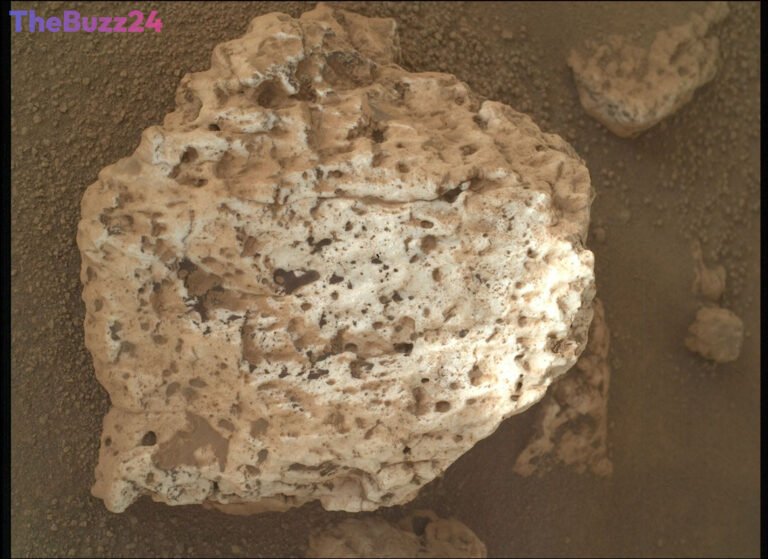
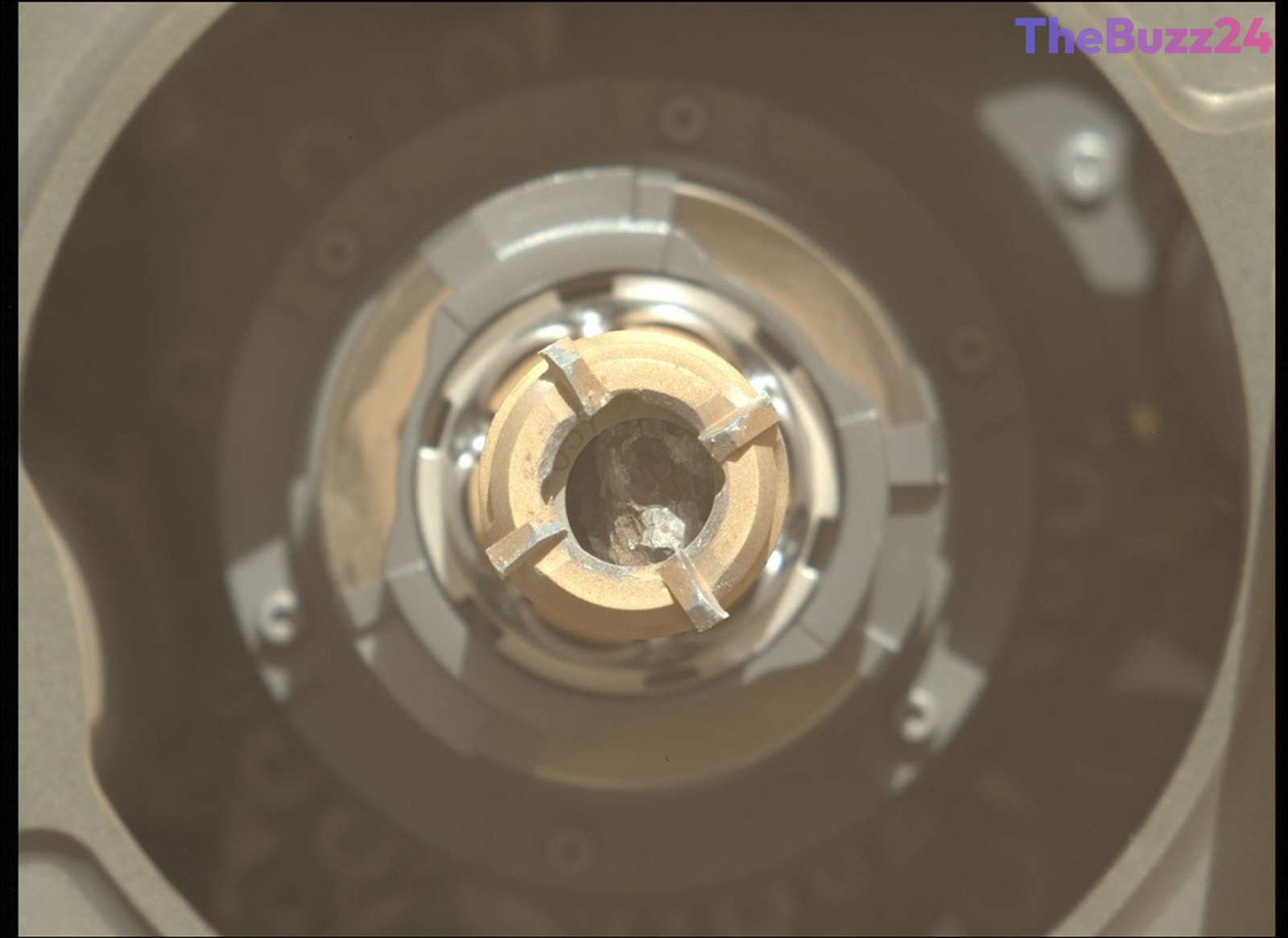
The Mars Perseverance rover has successfully collected a new rock sample, designated ‘Singita,’ marking a significant milestone in its ongoing mission to characterize the geological history of the Red Planet. After more than a year without a successful core extraction, the rover utilized a strategic approach to overcome the challenges posed by the extremely hard, light-toned igneous rocks found in its current exploration zone. By identifying a target with a more stable surface and utilizing a less-worn coring bit, the mission team successfully drilled 3.1 centimeters into the rock, securing a specimen that may hold clues to the planet’s deep crustal history.
The acquisition of Singita follows a period of careful navigation and site selection. The rover traveled approximately 100 meters to reach a new workspace after previous attempts to sample similar gabbroic rocks—specifically the ‘Badger Peak’ site—proved too difficult due to the material’s extreme hardness. The successful extraction of Singita, a rock composed primarily of calcium-rich plagioclase feldspar and pyroxene, provides researchers with a vital igneous sample that was likely formed deep within the Martian crust before being excavated by ancient impact events.
Currently, the Perseverance rover remains in nominal health, continuing its mission of exploration and scientific analysis. This successful operation represents the 66th abrasion performed by the rover, underscoring its continued operational capability. As the mission progresses, the data and physical samples gathered by Perseverance remain central to the broader effort to understand the geological evolution of Mars and its potential for harboring evidence of past environmental conditions.
Key Takeaways
- The Perseverance rover successfully collected its first rock sample in over a year, named 'Singita'.
- The sample is a gabbroic igneous rock that likely originated deep in the Martian crust and was unearthed by ancient impacts.
- Mission engineers overcame previous drilling failures by selecting a flatter surface and using a less-worn coring bit.
Editor’s Analysis & Impact
The successful collection of the ‘Singita’ sample is a critical victory for the Mars Sample Return campaign. Beyond the technical achievement of overcoming the mechanical limitations of the drilling hardware, the scientific value of this specific sample cannot be overstated. By securing a rock that likely formed deep within the Martian crust, researchers gain a window into the planet’s early geological processes that are otherwise inaccessible. This success validates the rover’s long-term durability and the mission team’s adaptive problem-solving capabilities. As the rover continues its trek, the ability to successfully sample diverse geological formations remains the primary driver for future discoveries. This mission milestone reinforces the viability of the ongoing effort to eventually return Martian material to Earth for high-precision laboratory analysis, which remains the gold standard for planetary science.
Frequently Asked Questions
Q: Why was it difficult for the rover to collect the 'Singita' sample?
A: The target rocks in the area are composed of hard igneous material, which made previous attempts to core into them unsuccessful due to the hardness of the rock and the wear on the rover's drilling equipment.
Q: What makes the 'Singita' sample scientifically significant?
A: Singita is believed to have formed deep within the Martian crust and was brought to the surface by large impact events, offering researchers a rare opportunity to study the deep geological history of Mars.
AI Disclosure: This article is based on verified data and official reports. Our Team and AI have cross-referenced every financial detail with primary sources to ensure total accuracy.
More from this Category