Trump Challenges Midterm Legitimacy, Reinvigorating Voting Machine Debates
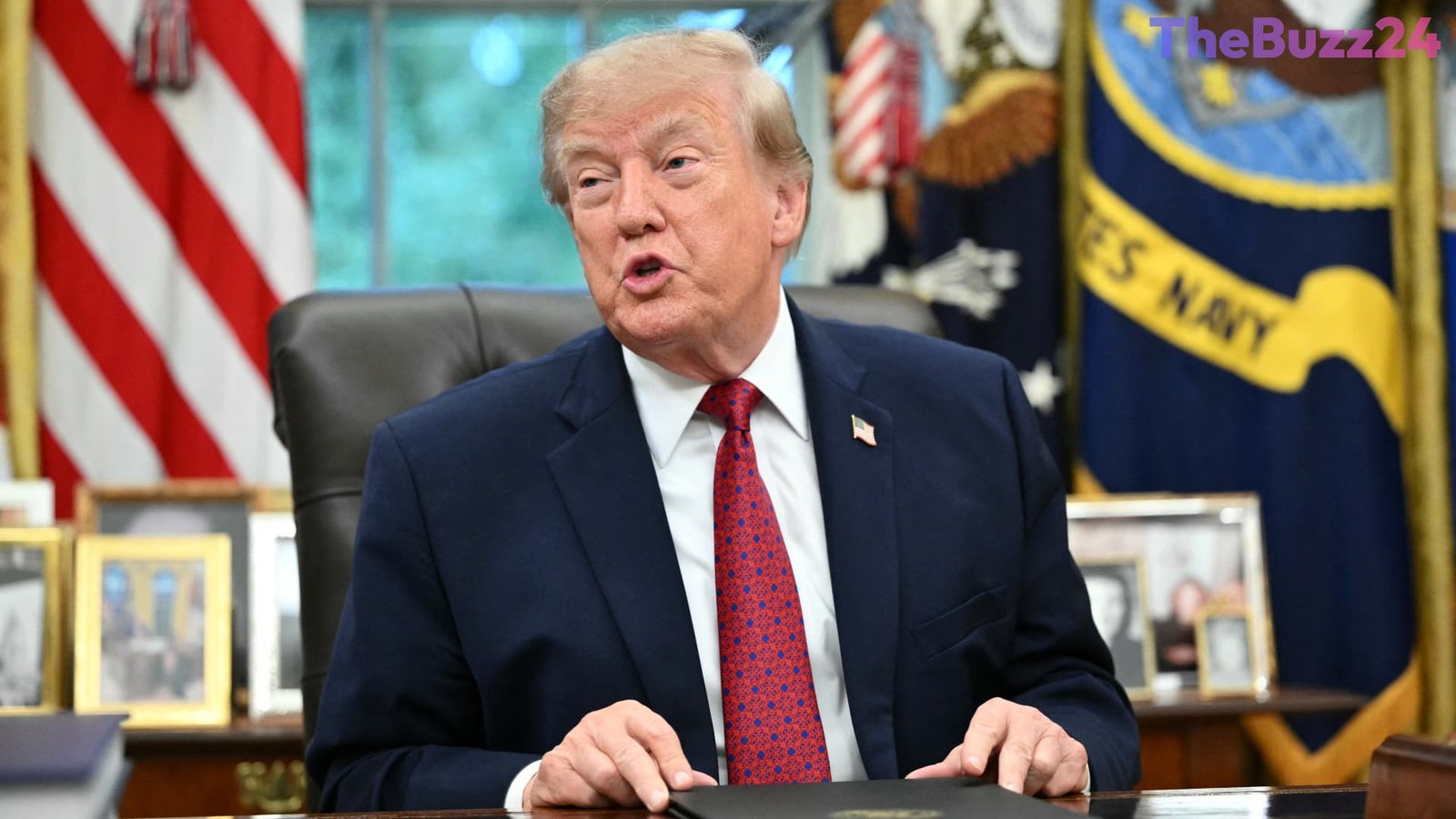
Following a significant shift in congressional power, Donald Trump has once again raised questions regarding the integrity of the midterm election results. In a recent social media post, the former president suggested that the electoral process may not have been entirely honest, specifically pointing toward discrepancies in polling and the role of voting machines in determining outcomes.
This sudden shift in rhetoric follows a period of relative conciliation. Shortly after the elections, where Democrats secured majorities in both the Senate and the House of Representatives, Trump had expressed a willingness to cooperate with the opposing party. However, his recent comments mark a pivot back to skepticism, mirroring themes seen during his challenges to the 2020 presidential election results.
The election results saw Democrats reclaiming control of both chambers of Congress, even as Republicans maintained influence in several key states. While some areas saw unexpected Democratic victories, Republican candidates performed strongly in states such as Texas, Iowa, and South Carolina. Despite these mixed results, the focus has shifted toward Trump’s renewed emphasis on the potential for technological interference in the voting process.
Amidst this political turbulence, administrative changes are also underway within the White House. Trump has announced a leadership shuffle, replacing White House Chief of Staff Susie Wiles with Stephen Miller, a figure known for his role in shaping aggressive immigration policies. This move comes as the political landscape undergoes a major realignment following the midterm cycle.
Key Takeaways
- Donald Trump has expressed skepticism regarding the legitimacy of the recent midterm election results via social media.
- Democrats have successfully regained control of both the House and the Senate.
- The former president's rhetoric has shifted from a conciliatory tone to questioning the reliability of voting machines.
Editor’s Analysis & Impact
The resurgence of election skepticism from Donald Trump introduces a layer of volatility to the upcoming legislative session. As Democrats prepare to take control of both chambers of Congress, the tension between the executive branch and the new congressional leadership is likely to intensify. Trump’s pivot from a cooperative stance to one of doubt suggests that bipartisan cooperation may be difficult to achieve, particularly on high-stakes issues like immigration and election reform. Furthermore, the emphasis on voting machine integrity could fuel ongoing debates regarding election security and technological oversight. This shift not only impacts the immediate political climate but also sets a precedent for how electoral losses are processed within the Republican party, potentially influencing voter sentiment and future legislative stability.
Frequently Asked Questions
Q: What did Donald Trump claim about the midterm elections?
A: He suggested that the election results might not be honest, specifically questioning the accuracy of polls and the reliability of voting machines.
Q: What was the outcome of the midterm elections for Congress?
A: Democrats regained majority control of both the House of Representatives and the Senate.
Q: Who is the new White House Chief of Staff?
A: Stephen Miller has been appointed to replace Susie Wiles as the White House Chief of Staff.
AI Disclosure: This article is based on verified data and official reports. Our Team and AI have cross-referenced every financial detail with primary sources to ensure total accuracy.
More from this Category