France Accuses Iran of Destructive Cyberattacks on Supermarket Infrastructure, Considers Sanctions
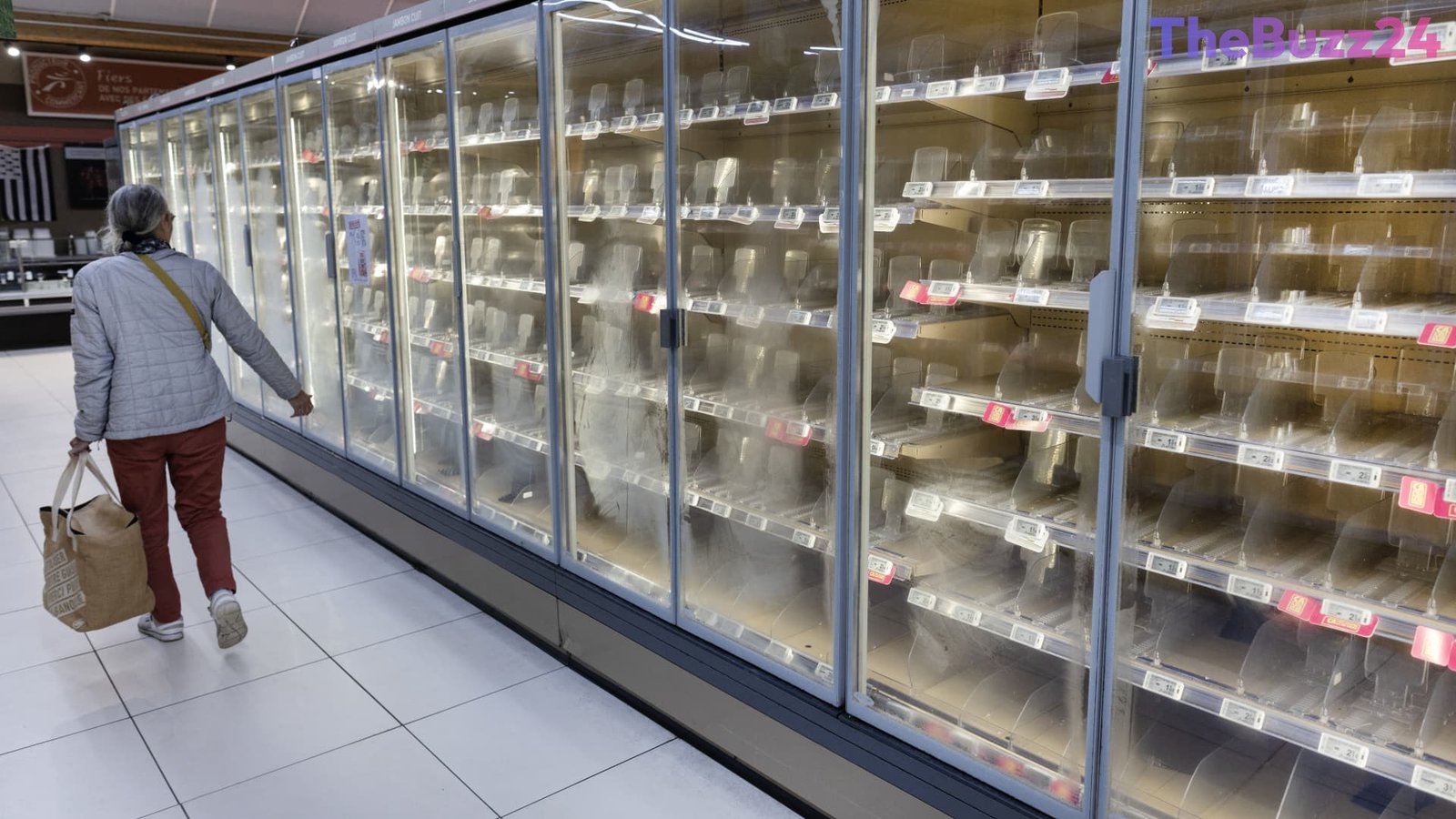
France has formally attributed a series of destructive cyberattacks targeting supermarket refrigeration systems to Shahid Kaveh, a cyber unit reportedly affiliated with Iran’s powerful Revolutionary Guard. The widespread hacks, which occurred in October, impacted approximately 700 stores across the country, resulting in tens of millions of euros in damages due to extensive food spoilage and even sparking fires.
Investigators detailed how the attacks remotely manipulated refrigeration controllers supplied by companies like Danfoss and Dixell. Attackers gained control through web interfaces, initiating unlimited defrost cycles and disabling crucial safety alerts designed to activate when temperatures exceeded set thresholds. Major French retailers, including Intermarché, E. Leclerc, Carrefour, Monoprix, and Coopérative U, were among those targeted. Evidence gathered during the probe, including the use of Farsi language and IP addresses linked to devices in Iran, led authorities to conclude the attacks were committed to serve a foreign power.
In response, French Foreign Minister Jean-Noël Barrot stated that the government is exploring all options, including potential bans on entry into European territory and asset freezes for those deemed responsible. France has also proposed new European sanctions against any Iranian entities and individuals involved and summoned Iran’s ambassador to Paris. However, Iran’s Ministry of Foreign Affairs has vehemently rejected the accusations, labeling them as “baseless and malicious” and suggesting they are an attempt to tarnish Iran’s image and divert attention from France’s own regional policies.
The incident highlights a growing concern over the vulnerability of critical infrastructure to state-sponsored cyber warfare. Beyond the supermarket attacks, similar incidents have been reported across Europe, affecting stores in Belgium, Luxembourg, the Netherlands, Finland, Ireland, and Sweden in November. French blood banks also experienced cybersecurity attacks, with cold storage unit temperatures being manipulated. Cybersecurity experts warn that such incidents underscore the potential for hostile actors to disrupt essential services and emphasize the urgent need for enhanced cybersecurity measures for operational technology.
Key Takeaways
- France has formally accused Iran's Shahid Kaveh cyber unit, linked to the Revolutionary Guard, of orchestrating destructive cyberattacks on approximately 700 French supermarket refrigerators.
- The attacks caused tens of millions of euros in damages through food spoilage and fires, by remotely manipulating refrigeration systems and disabling safety alerts.
- France is considering severe retaliatory measures, including asset freezes, travel bans, and new European sanctions, while Iran vehemently denies all accusations as "baseless and malicious."
Editor’s Analysis & Impact
This incident underscores a significant escalation in state-sponsored cyber warfare, particularly targeting critical civilian infrastructure. For the retail and food supply chain industries, it highlights a profound vulnerability in operational technology (OT) and IoT devices, necessitating urgent investment in robust cybersecurity protocols beyond traditional IT defenses. The broader implications point to increased geopolitical tensions between European nations and Iran, potentially leading to a more aggressive stance on cyber defense and sanctions within the EU. This event could also catalyze a global re-evaluation of critical infrastructure protection, pushing governments and corporations to collaborate on securing interconnected systems against sophisticated, destructive cyber threats. The ease with which these systems were compromised suggests a widespread lack of basic cybersecurity hygiene in commercial settings, demanding immediate attention.
Frequently Asked Questions
Q: What was the extent of the damage caused by the cyberattacks?
A: The attacks affected approximately 700 supermarket stores across France, causing tens of millions of euros in damages due to spoiled food and fires resulting from refrigerators and freezers heating up significantly.
Q: What evidence led France to accuse Iran?
A: Investigators found evidence including the use of Farsi language in the attacks and IP addresses tracing back to devices located in Iran. The attacks were also deemed to serve a foreign power, specifically Iran.
Q: How has Iran responded to the accusations?
A: Iran's Ministry of Foreign Affairs has categorically rejected the accusations, labeling them "baseless and malicious" and suggesting they are an attempt to divert attention from France's own policies in the region.
AI Disclosure: This article is based on verified data and official reports. Our Team and AI have cross-referenced every financial detail with primary sources to ensure total accuracy.
More from this Category