Spanish Royals and Leaders Join Solemn Memorial for Train Crash Victims as Safety Protests Mount
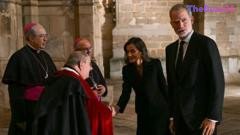
King Felipe and Queen Letizia of Spain joined grieving families, high-ranking officials, and local residents for a solemn memorial service honoring the 69 victims of the devastating high-speed train collision that struck the nation last month. The catastrophic accident occurred near the town of Urda along the Madrid-Seville line when a speeding locomotive collided with a stationary train. Marking Spain’s worst rail disaster since 2013, the tragedy left dozens of individuals hospitalized and plunged the country into a period of deep national mourning.
During the Catholic Mass officiated at the cathedral, relatives of the deceased carried lit candles to the altar in a powerful display of remembrance. Archbishop Cerro Chaves addressed the congregation, noting that the profound loss has deeply scarred communities across the nation. Dignitaries, including opposition leaders and government ministers, joined the royal couple in offering condolences to the families affected by the disaster. The political landscape has also felt the shockwaves of the catastrophe, leading to significant fallout within the transport ministry and raising intense scrutiny over national railway safety protocols.
The memorial coincided with a nationwide strike called by train drivers demanding immediate enhancements to rail network safety measures. Ongoing investigations into the root causes of the collision point toward a potential combination of human error and technical malfunctions within the signaling and safety architecture. As the country prepares for upcoming general elections, the disaster has intensified political pressures on the incumbent administration, compounding public anxieties surrounding infrastructure safety and regulatory oversight.
Key Takeaways
- King Felipe and Queen Letizia attended a memorial service honoring the 69 victims of the Urda train crash.
- The disaster, Spain's worst rail tragedy since 2013, has sparked nationwide strikes by train drivers demanding better safety measures.
- Investigations are exploring a potential mix of human error and safety system glitches as the cause of the high-speed collision.
Editor’s Analysis & Impact
The tragic rail accident in Urda represents a critical inflection point for Spain’s national infrastructure management and political stability. Beyond the immediate human toll, the disaster has exposed deep vulnerabilities in high-speed rail safety protocols and regulatory oversight. The subsequent political fallout, including ministerial changes and mounting pressure on the ruling administration ahead of elections, underscores how infrastructure failures can swiftly translate into macroeconomic and political crises. Furthermore, the nationwide strikes by transport workers signal a broader labor movement demanding institutional accountability and modernization. Moving forward, the Spanish government will need to invest heavily in advanced automated safety systems and transparent regulatory reforms to restore public confidence in the national rail network and mitigate long-term political fallout.
Frequently Asked Questions
Q: What caused the train crash in Urda?
A: Investigators are still reviewing the incident, but initial indications suggest a combination of human error and a potential glitch in the safety systems along the Madrid-Seville line.
Q: Who attended the memorial service?
A: King Felipe, Queen Letizia, grieving family members, local residents, and senior politicians including government ministers and opposition leaders attended the service in the cathedral.
Q: How has the disaster impacted the political landscape in Spain?
A: The tragedy has intensified scrutiny on the government's transport policies, leading to a ministerial resignation and creating significant political challenges for Prime Minister Pedro Sánchez ahead of the general election.
AI Disclosure: This article is based on verified data and official reports. Our Team and AI have cross-referenced every financial detail with primary sources to ensure total accuracy.
More from this Category