Historic Ruling Overturns Colonial-Era Anti-Homosexuality Laws in Trinidad and Tobago
In a landmark decision, the highest court of appeal for Trinidad and Tobago has struck down long-standing laws criminalizing same-sex intimacy, bringing a definitive end to an exhaustive 11-year legal battle. The final judgment was delivered by the Judicial Committee of the Privy Council (JCPC), which determined that the contested legislation violated fundamental individual rights to privacy and respect for family life.
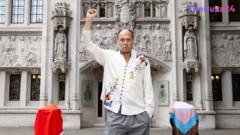
The case was originally initiated by Jason Jones, a dual-citizen and prominent human rights advocate, who sought to dismantle the archaic statutes that originated from the British colonial era. Although Jones initially secured a victory in Trinidad’s High Court in 2018, that ruling faced subsequent appeals from the government. The recent unanimous decision by the JCPC definitively resolves the dispute, marking the first time the high court has ruled in favor of decriminalizing same-sex relations.
Legal representatives for the government had previously defended the statutes by pointing to savings law clauses designed to preserve pre-existing colonial legislation upon independence. However, the judicial committee concluded that the laws failed to meet modern standards of a society that respects individual freedoms and human dignity. Campaigners internationally hope this monumental ruling will serve as a powerful precedent for roughly three dozen other Commonwealth nations still enforcing similar legacy statutes.
Key Takeaways
- Trinidad and Tobago's final court of appeal unanimously struck down colonial-era laws criminalizing same-sex intimacy.
- The ruling concludes an 11-year legal challenge spearheaded by human rights campaigner Jason Jones.
- This marks the first time the JCPC has issued a decision decriminalizing same-sex relations, potentially impacting other Commonwealth nations.
Editor’s Analysis & Impact
This historic ruling by the Judicial Committee of the Privy Council marks a pivotal turning point for human rights jurisprudence across the Caribbean and the broader Commonwealth. For decades, legacy colonial-era legislation has served as a primary legal instrument for suppressing LGBTQ+ rights in numerous developing nations. By invalidating these statutes on the grounds of constitutional right to privacy, this verdict establishes a compelling legal precedent that advocates will likely leverage in neighboring jurisdictions facing similar legislative battles. Beyond the immediate legal impact, this decision signals a profound cultural shift toward modernizing regional legal frameworks to align with contemporary human rights standards. As international pressure mounts on remaining Commonwealth states to reform their penal codes, this verdict may accelerate judicial reviews and legislative reforms, ultimately reshaping the landscape of civil liberties and equality across the region in the coming years.
Frequently Asked Questions
Q: What court made the final decision to overturn the laws?
A: The final decision was made by the Judicial Committee of the Privy Council (JCPC), which serves as the Caribbean island's final court of appeal.
Q: Who initiated the legal challenge against the legislation?
A: The legal challenge was brought forward by Jason Jones, a dual-citizen and human rights campaigner, who began the battle in 2013.
Q: Why did Trinidad and Tobago originally have these laws?
A: The laws were remnants of British colonial rule and were carried over into the nation's legal framework upon independence through savings law clauses.
AI Disclosure: This article is based on verified data and official reports. Our Team and AI have cross-referenced every financial detail with primary sources to ensure total accuracy.
More from this Category