White House Doubles Down on Tariff Strategy Despite Economic Headwinds and Political Pressure
The White House has reaffirmed its commitment to maintaining current tariff policies, signaling that the administration intends to continue its aggressive trade agenda despite significant political backlash and rising consumer costs. During the B20 summit in Washington, administration officials defended the use of import duties as a vital mechanism for strengthening domestic manufacturing, securing national supply chains, and addressing long-term national security concerns. Officials indicated that the current pace of trade policy implementation is expected to persist for the remainder of the presidential term.
This stance comes at a time of heightened economic sensitivity, as recent government data revealed a 0.4% increase in consumer prices for October, pushing annual inflation well above the Federal Reserve’s 2% target. Public sentiment appears increasingly aligned against these measures; recent polling suggests that a significant majority of Americans favor the repeal of existing tariffs, citing them as a primary driver of the current cost-of-living crisis. Former economic advisors have joined the chorus of critics, characterizing the tariffs as a de facto consumption tax that places an undue financial burden on households.
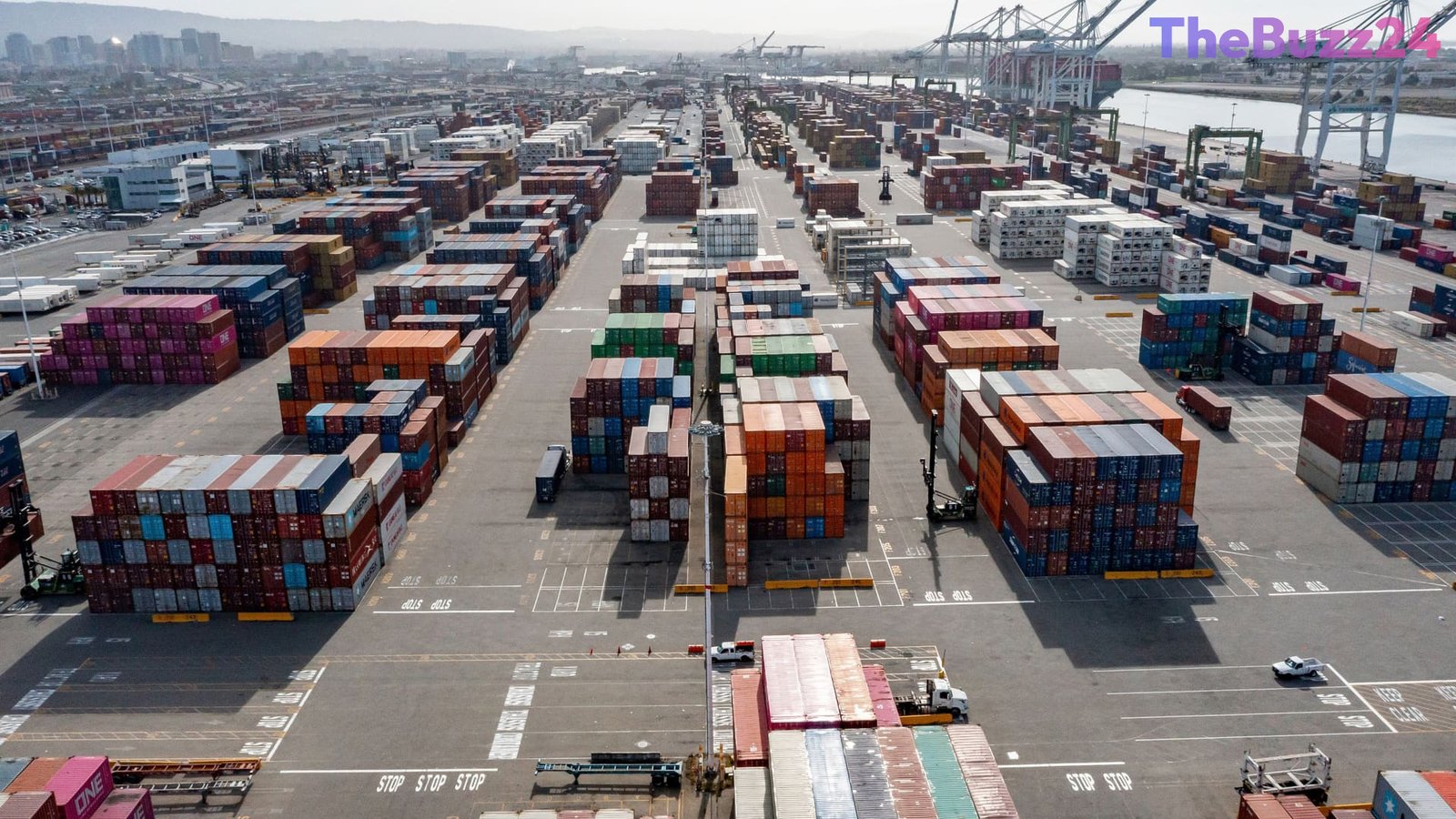
Industry leaders are responding to this volatile environment by fundamentally restructuring their operations. As global supply chains shift toward regionalization, major corporations are diversifying their sourcing strategies to mitigate the impact of trade disruptions. While some executives argue that tariffs are a necessary tool to combat unfair international competition, others are calling for a more nuanced approach that could involve bipartisan cooperation to protect domestic interests while easing the inflationary pressure on everyday goods. As the political landscape shifts, the administration’s broad trade authority remains a significant hurdle for those seeking to reverse these policies in the coming legislative session.
Key Takeaways
- The White House intends to maintain its current tariff strategy, viewing it as essential for national security and domestic manufacturing growth.
- Recent economic data shows consumer prices rising by 0.4% in October, with public opinion polls indicating strong support for repealing tariffs to ease inflation.
- Global businesses are actively regionalizing their supply chains to adapt to the permanent disruption of traditional international trade systems.
Editor’s Analysis & Impact
The administration’s insistence on maintaining tariffs despite clear electoral signals and inflationary pressures highlights a fundamental shift in U.S. trade philosophy. By prioritizing long-term industrial policy and supply chain sovereignty over short-term consumer price stability, the White House is betting that the structural benefits of ‘reshoring’ will eventually outweigh the immediate economic pain. However, the market impact is undeniable; businesses are being forced to absorb higher costs or pass them on to consumers, leading to a more regionalized and potentially less efficient global trade network. The future outlook suggests a prolonged period of friction between the executive branch’s broad trade authority and a legislative body increasingly pressured by voters to address the cost of living. Investors should anticipate continued volatility in sectors heavily reliant on global imports as companies continue to restructure their logistics to navigate this new protectionist reality.
Frequently Asked Questions
Q: Why does the White House continue to support tariffs despite rising inflation?
A: The administration views tariffs as a strategic tool to rebuild U.S. manufacturing, secure supply chains, and protect national security, arguing that these long-term benefits outweigh the immediate inflationary costs.
Q: How are businesses reacting to the current trade environment?
A: Many companies are moving away from globalized supply chains in favor of regionalization, diversifying their sourcing, and moving production closer to home to mitigate the impact of trade volatility.
AI Disclosure: This article is based on verified data and official reports. Our Team and AI have cross-referenced every financial detail with primary sources to ensure total accuracy.
More from this Category