Nvidia Faces Uncharted Corporate Governance Crisis Amid CEO Investigation
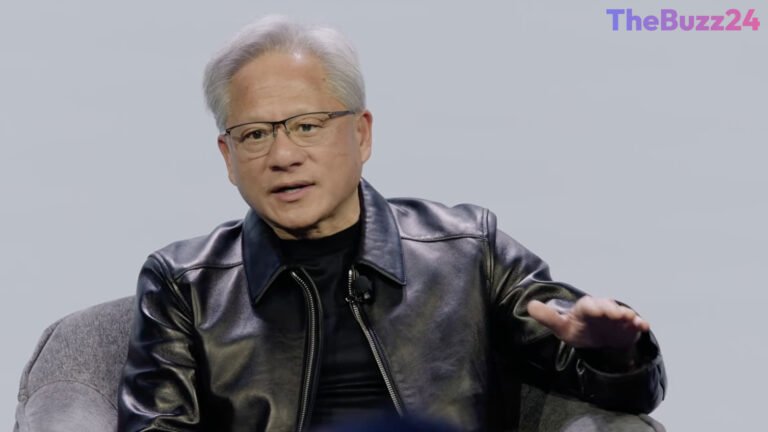
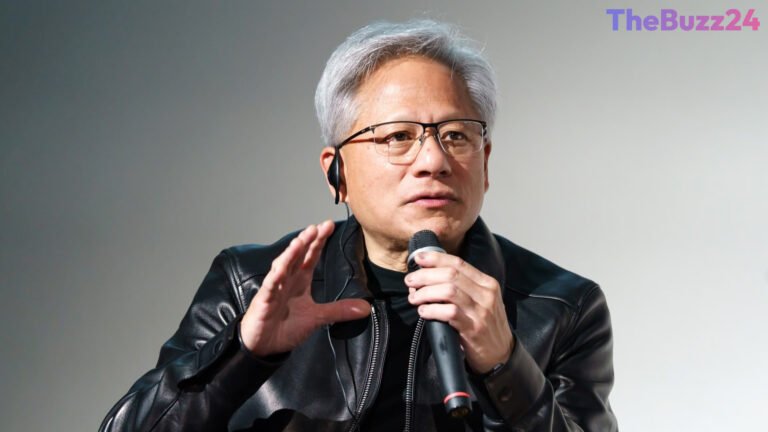
Nvidia’s leadership faces unprecedented scrutiny following a sharp decline in its stock value and the launch of a high-stakes internal investigation. The board of directors has retained prominent legal counsel to examine circumstances surrounding CEO Jensen Huang and an extramarital relationship with Alice Huang, an individual flagged by intelligence agencies over potential foreign espionage ties. Legal and corporate governance experts note that this intersection of executive misconduct and national security concerns lacks direct precedent, leaving market watchers uncertain about the ultimate fallout for the semiconductor giant.
The independent board members are tasked with determining the extent of potential risks, including whether sensitive technological secrets or intellectual property were compromised, and what specific details the chief executive shared or withheld. Legal scholars emphasize that the timing of disclosures, combined with the extent of Huang’s awareness regarding the individual’s background, will be critical factors in the board’s evaluation. While corporate investigations of this nature typically examine adherence to internal policies and statutory compliance, the involvement of potential foreign intelligence elevates the stakes significantly for federal oversight authorities.
Beyond the immediate investigative findings, the situation has reignited broader debates surrounding Nvidia’s internal corporate governance practices. Observers have highlighted vulnerabilities related to the company’s flat organizational structure, the absence of a formalized leadership succession plan, and the employment of family members within key operational roles. Although founder-led corporations often enjoy greater operational latitude during periods of robust financial performance, governance advocates argue that these structural elements complicate oversight. With class-action lawsuits already emerging from disgruntled investors alleging obscured disclosures, the board’s handling of this crisis will serve as a defining test of corporate accountability and director independence.
Key Takeaways
- Nvidia's board has hired outside legal counsel to conduct an internal investigation into CEO Jensen Huang following revelations of a relationship with a woman suspected of espionage by intelligence agencies.
- Legal experts note a lack of precedent for combining executive misconduct with potential national security and trade secret risks, making the board's findings crucial.
- The tech giant already faces shareholder lawsuits alleging that executives concealed pertinent relationship details while dealing with related entities, posing significant corporate governance challenges.
Editor’s Analysis & Impact
The unfolding crisis at Nvidia represents a watershed moment for corporate governance in the modern technology sector. As one of the world’s most valuable companies powering the artificial intelligence boom, Nvidia’s stability is vital to the broader global tech ecosystem. This incident underscores the systemic risks inherent in founder-led tech giants that maintain insular corporate structures, limited succession planning, and familial employment lineages. While robust market demand and technological dominance have previously insulated the company from traditional governance critiques, a potential national security nexus changes the risk calculus entirely. Institutional investors will likely use this episode to push for stricter oversight, enhanced board independence, and clearer boundaries between executive personal conduct and corporate transparency. The ultimate resolution—whether through executive retention, structural reorganization, or leadership transition—will set a definitive benchmark for how boards handle high-stakes executive crises in publicly traded innovation powerhouses.
Frequently Asked Questions
Q: Why did Nvidia's board hire an outside law firm?
A: The board retained Wachtell, Lipton, Rosen & Katz to conduct an independent internal investigation into CEO Jensen Huang's relationship with Alice Huang and to determine if any company policies, laws, or security measures were breached.
Q: What are the main legal risks facing Nvidia and its CEO?
A: Nvidia faces potential securities fraud class-action lawsuits from investors alleging that leadership misled the market by concealing the relationship, alongside broader internal investigations into corporate mismanagement and transparency.
Q: How does Nvidia's corporate structure affect the board's ability to respond?
A: Unlike companies with dual-class share structures that grant founders absolute voting control, Nvidia's CEO holds a smaller percentage of shares, giving the independent board more leverage and flexibility to intervene or take corrective action.
AI Disclosure: This article is based on verified data and official reports. Our Team and AI have cross-referenced every financial detail with primary sources to ensure total accuracy.
More from this Category