Gabby Williams Reflects on the Intersection of Athletics and Advocacy
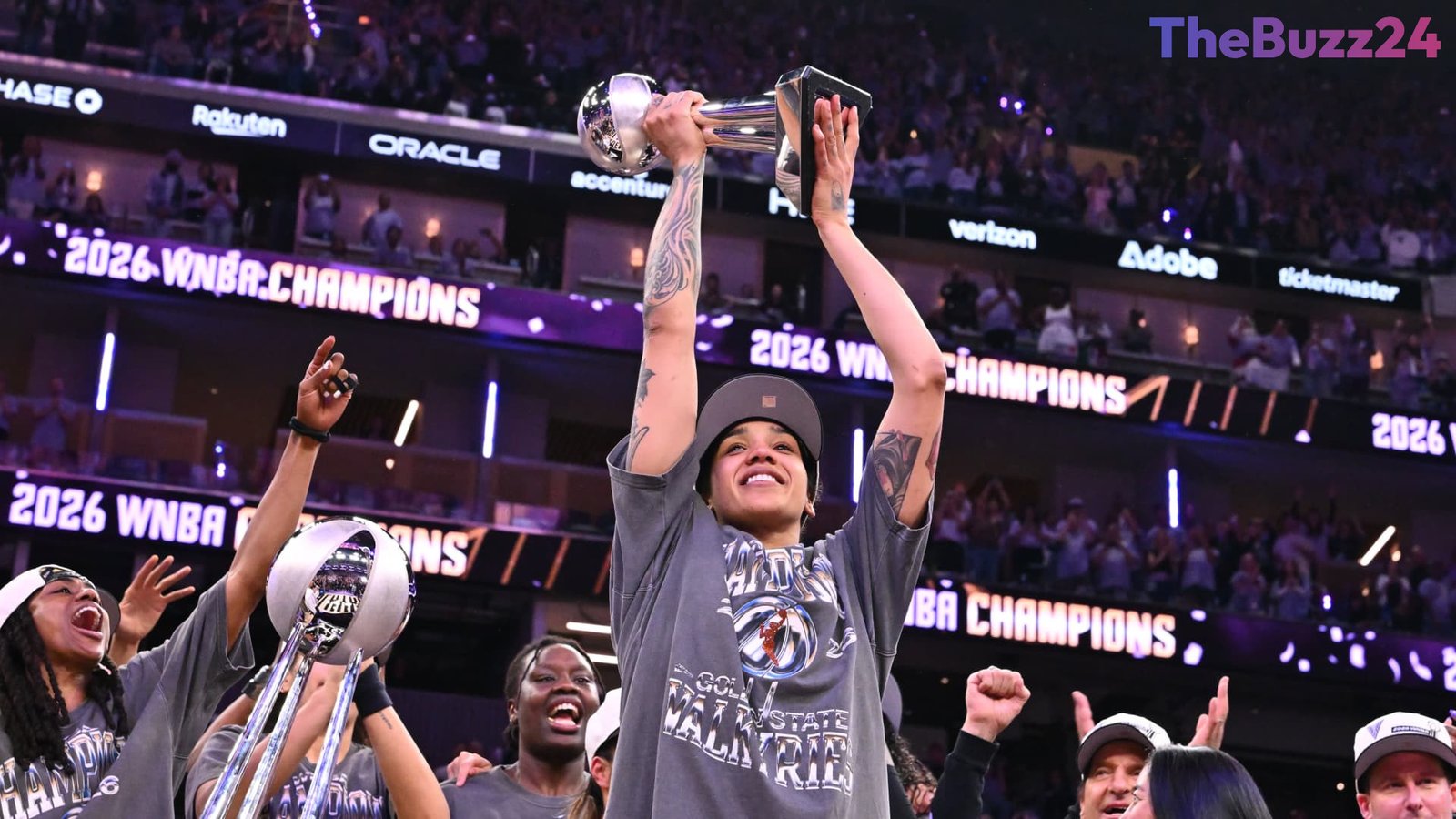
Golden State Valkyries star Gabby Williams, fresh off a championship victory and a Finals MVP performance, has opened up about the persistent political nature of the WNBA. According to Williams, the league remains a focal point for cultural debates, a reality she believes is inherent to the experience of being a female athlete in a professional space that has historically been exclusionary.
Williams emphasized that players within the league have long embraced their roles as community leaders, utilizing their platforms to advocate for social justice and equality. Drawing inspiration from the league’s history of activism—including involvement in the Black Lives Matter movement and the 2020 Georgia Senate runoff elections—Williams noted that the expectation for athletes to remain silent on social issues is a thing of the past. She views this advocacy as a natural extension of their professional careers.
Despite the positive reception from fans, Williams’ vocal support for transgender rights has drawn significant backlash, including death threats and hostile messages. Nevertheless, she credits the supportive environment at the Chase Center, affectionately dubbed ‘Ballhalla,’ for providing the stability and confidence necessary to excel on the court. For Williams, the ability to perform at an elite level is inextricably linked to the freedom to express her values, ensuring that her voice remains as impactful as her play.
Key Takeaways
- Gabby Williams asserts that the presence of female athletes in professional sports is inherently political.
- WNBA players continue to leverage their platforms to influence social and political discourse, a trend Williams expects to persist.
- Despite facing severe harassment for her advocacy on transgender rights, Williams credits the supportive atmosphere of the Golden State Valkyries' home arena for her recent success.
Editor’s Analysis & Impact
The intersection of professional sports and social activism has become a defining characteristic of the modern WNBA. Gabby Williams’ comments highlight a broader shift in the sports industry where athletes are increasingly viewed as influential public figures rather than mere entertainers. This trend presents both opportunities and risks for leagues; while it fosters deeper engagement with socially conscious fanbases, it also invites intense polarization. As the WNBA continues to grow in viewership and commercial value, the league will likely remain a lightning rod for cultural debates. The future outlook suggests that organizations will need to develop robust support systems for players who face backlash for their activism, as the ‘athlete-activist’ model is now firmly embedded in the league’s identity and brand equity.
Frequently Asked Questions
Q: Why does Gabby Williams believe being a female athlete is political?
A: Williams argues that because female athletes occupy professional spaces that were historically unwelcoming or restricted, their very presence and success become a political statement.
Q: What is 'Ballhalla' in the context of the WNBA?
A: 'Ballhalla' is the nickname given to the Chase Center, the home arena of the Golden State Valkyries, known for its electric atmosphere and supportive fan base.
AI Disclosure: This article is based on verified data and official reports. Our Team and AI have cross-referenced every financial detail with primary sources to ensure total accuracy.
More from this Category