From Ballot Box to Bread Box: Organized Labor’s Demands After Fueling Democratic Wins
Organized labor played a pivotal role in securing significant victories for Democrats in the 2026 midterm elections, mobilizing thousands of members and investing millions of dollars into voter outreach. This extensive effort led to a remarkable 22-point Democratic margin among union households, a stark reversal of a recent decline in support for the party. Now, union leaders are making it clear that they expect newly elected Democrats to deliver on promises related to affordability and workers’ rights if they wish to retain labor’s crucial backing in future electoral cycles.
The scale of this political engagement was unprecedented. The AFL-CIO, a federation representing nearly 15 million workers, launched a seven-figure media campaign and reported engaging with almost 15 million voters since Labor Day. Their efforts also saw over 600 union members elected to various offices, from Washington D.C. to statehouses across the nation. Individual members, like Ohio electrician Brody Rutledge, dedicated personal time to create social media content supporting candidates such as Amy Acton for governor and Sherrod Brown for a Senate seat, contributing to a “blue wave” that swept Democrats into power in traditionally Republican-leaning states.
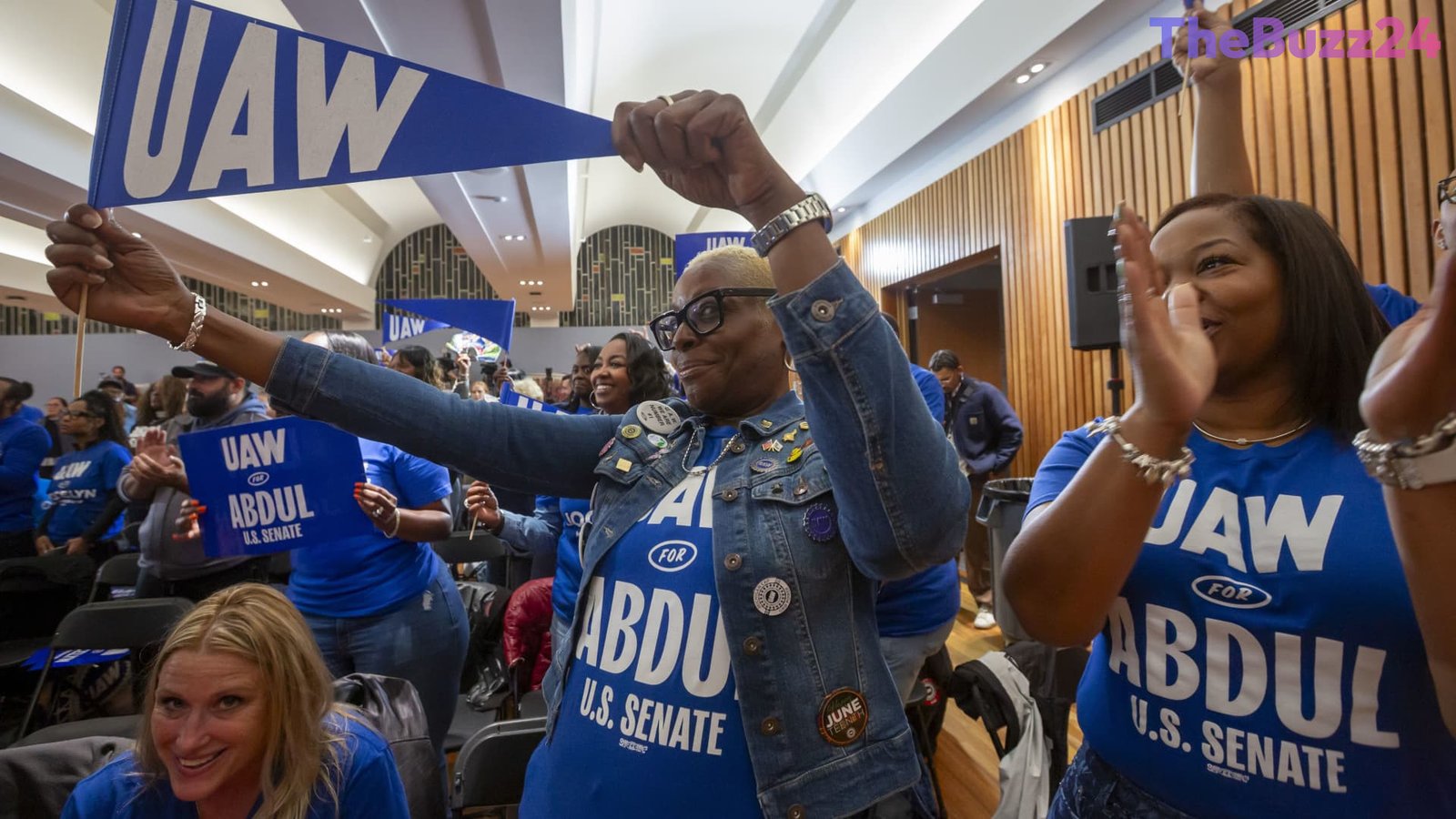
Union influence was particularly evident in key battleground states. In Michigan, the United Auto Workers (UAW) provided early and impactful backing for Abdul El-Sayed in his successful U.S. Senate primary and Jocelyn Benson for governor, with volunteers knocking on over 100,000 doors and making half a million phone calls. Similarly, in Nevada, AFL-CIO unions canvassed extensively for candidates like Aaron Ford, who unseated Republican Governor Joe Lombardo. These strategic interventions underscore a renewed and highly effective political strategy by organized labor.
This resurgence marks a significant shift, especially after a period where the Democratic party’s hold on union voters appeared to weaken, notably in the 2024 elections. Union leaders, including UAW President Shawn Fain and AFL-CIO President Liz Shuler, emphasize that their support is no longer automatic but contingent on legislative action. They have clear expectations, such as ensuring new data center construction projects utilize union labor in Ohio and approving unemployment insurance for striking workers in Michigan. Unions are sending a clear message: their electoral power is a tool to achieve tangible policy outcomes, and future support will be earned through concrete legislative achievements that benefit working families.
Key Takeaways
- Unions significantly boosted Democratic victories in the 2026 midterm elections through extensive spending and member mobilization, reversing a recent decline in support.
- Organized labor now expects newly elected Democrats to prioritize issues like affordability, worker protections, and union job creation, warning of withdrawn support if demands are not met.
- The 2026 midterms marked a strategic resurgence for unions in political engagement, with specific legislative goals in states like Ohio and Michigan.
Editor’s Analysis & Impact
The substantial role of organized labor in the 2026 midterms signals a potential recalibration of political power and policy priorities. For industries, this could mean an increased focus on labor relations, potentially leading to higher operational costs in some sectors due to demands for union labor, improved wages, and benefits. The future outlook suggests a more pro-labor legislative agenda from Democrats, which could include stronger collective bargaining rights and enhanced worker protections. This shift might also compel Republicans to intensify their efforts to court union members, recognizing their critical electoral influence. Broader implications include a potential narrowing of wealth inequality and a strengthening of the middle class, as well as highlighting the growing importance of grassroots mobilization and conditional political support based on tangible policy outcomes.
Frequently Asked Questions
Q: How did unions contribute to the Democratic victories in the 2026 midterms?
A: Unions invested millions of dollars and mobilized thousands of members for voter outreach, social media campaigns, and door-to-door canvassing. This led to a significant 22-point Democratic margin among union households, a reversal from previous election cycles.
Q: What are organized labor's main expectations from the newly elected Democrats?
A: Unions expect Democrats to address issues such as inflation and affordability, enact stronger worker protections, and promote union jobs. They have specific legislative goals, including ensuring union labor for new construction projects and guaranteeing unemployment insurance for striking workers.
Q: What could happen if Democrats do not meet union demands?
A: Union leaders have warned that if Democrats fail to deliver on their legislative priorities, organized labor may withdraw its support in future elections, including the 2028 presidential race and beyond.
AI Disclosure: This article is based on verified data and official reports. Our Team and AI have cross-referenced every financial detail with primary sources to ensure total accuracy.
More from this Category