President Trump Shifts Focus: Rejects Iran Deal, Pivots to Domestic Crime and Corruption
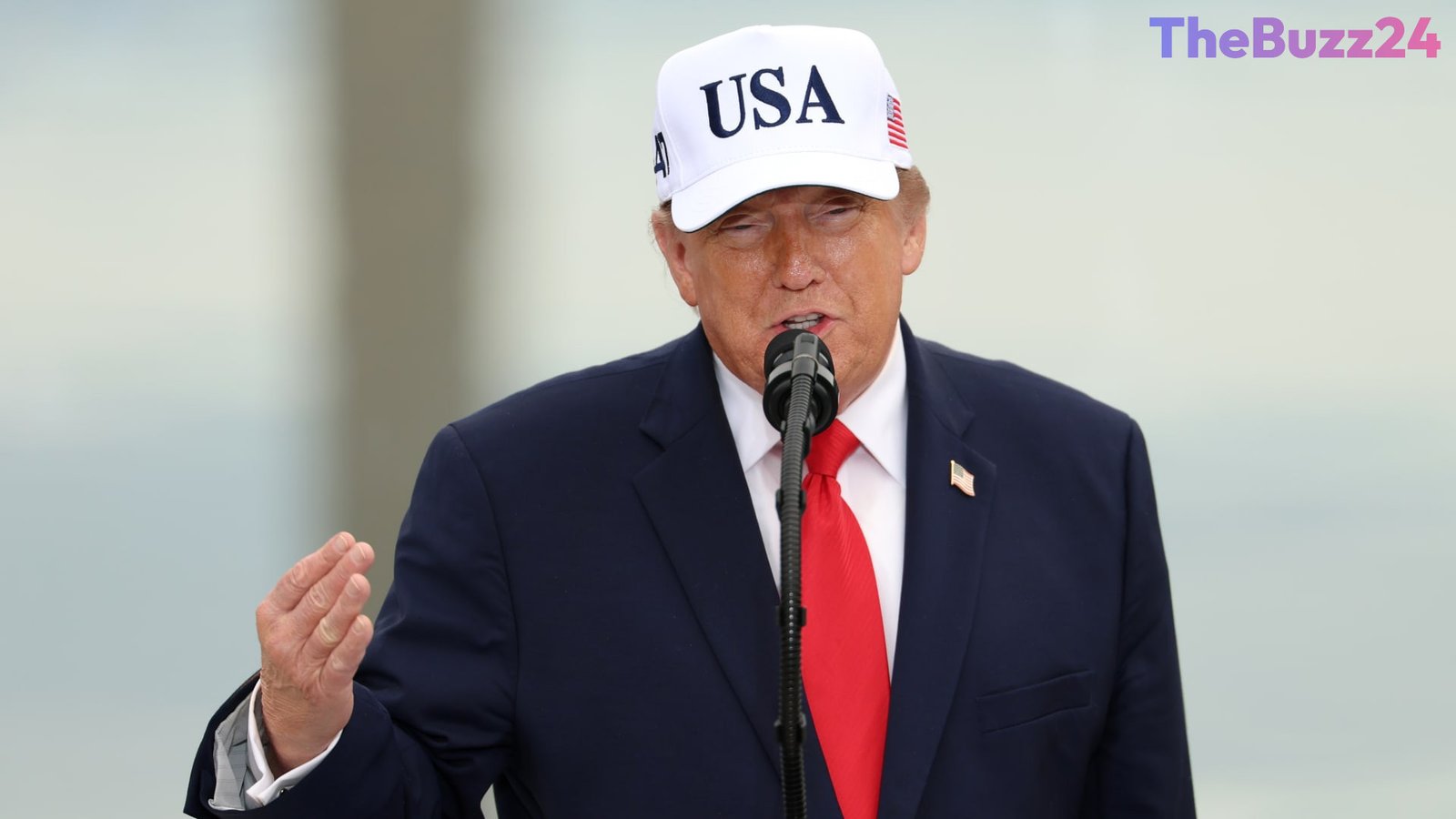
President Donald Trump has officially declared that the United States will no longer pursue a diplomatic agreement with Iran, signaling a definitive end to efforts that have defined much of the current administration’s foreign policy. In a statement released via social media, the President asserted that the era of seeking such deals has passed, citing the U.S. control over key strategic assets and financial leverage as sufficient justification for the change in direction.
Following this announcement, the President has directed Vice President JD Vance to pivot away from diplomatic engagements with Iranian officials. Instead, Vance is tasked with prioritizing the investigation and mitigation of alleged systemic corruption and rising crime rates within Democratic-led states and municipalities. This strategic shift comes in the wake of recent electoral setbacks for the Republican party, which many analysts have linked to the ongoing and protracted conflict in the Middle East.
As the conflict in the region enters its ninth month, the administration faces mounting pressure regarding the economic fallout, including volatile energy prices and persistent inflation. By refocusing the Vice President’s portfolio toward domestic issues like urban crime and budgetary mismanagement, the administration appears to be attempting to realign its political narrative to address voter concerns regarding domestic stability and fiscal responsibility.
Key Takeaways
- President Trump has formally abandoned efforts to secure a new diplomatic deal with Iran.
- Vice President JD Vance has been reassigned to focus on domestic corruption and crime in Democratic-run states.
- The administration is pivoting its political strategy following recent midterm election losses and ongoing economic concerns linked to the regional conflict.
Editor’s Analysis & Impact
The administration’s decision to abandon the Iran deal represents a significant pivot in foreign policy, likely intended to insulate the White House from the political fallout of a stagnant, nine-month conflict. By reassigning the Vice President to domestic issues, the administration is attempting to reclaim the narrative on ‘law and order’ and fiscal accountability—two pillars that historically resonate with their base. However, this shift carries substantial risk; ignoring the regional stalemate does not resolve the underlying economic pressures, such as energy price volatility, which continue to impact global markets. The focus on domestic corruption serves as a tactical maneuver to deflect from electoral losses, but its success will depend on whether the administration can produce tangible results in the targeted states before the next election cycle.
Frequently Asked Questions
Q: Why is the U.S. no longer seeking a deal with Iran?
A: President Trump stated that the U.S. no longer requires a deal, citing the country's current control over key financial assets and strategic maritime chokepoints like the Strait of Hormuz.
Q: What is Vice President JD Vance's new primary responsibility?
A: The Vice President has been directed to shift his focus away from international diplomacy and toward addressing corruption and crime within Democratic-run cities and states across the U.S.
AI Disclosure: This article is based on verified data and official reports. Our Team and AI have cross-referenced every financial detail with primary sources to ensure total accuracy.
More from this Category