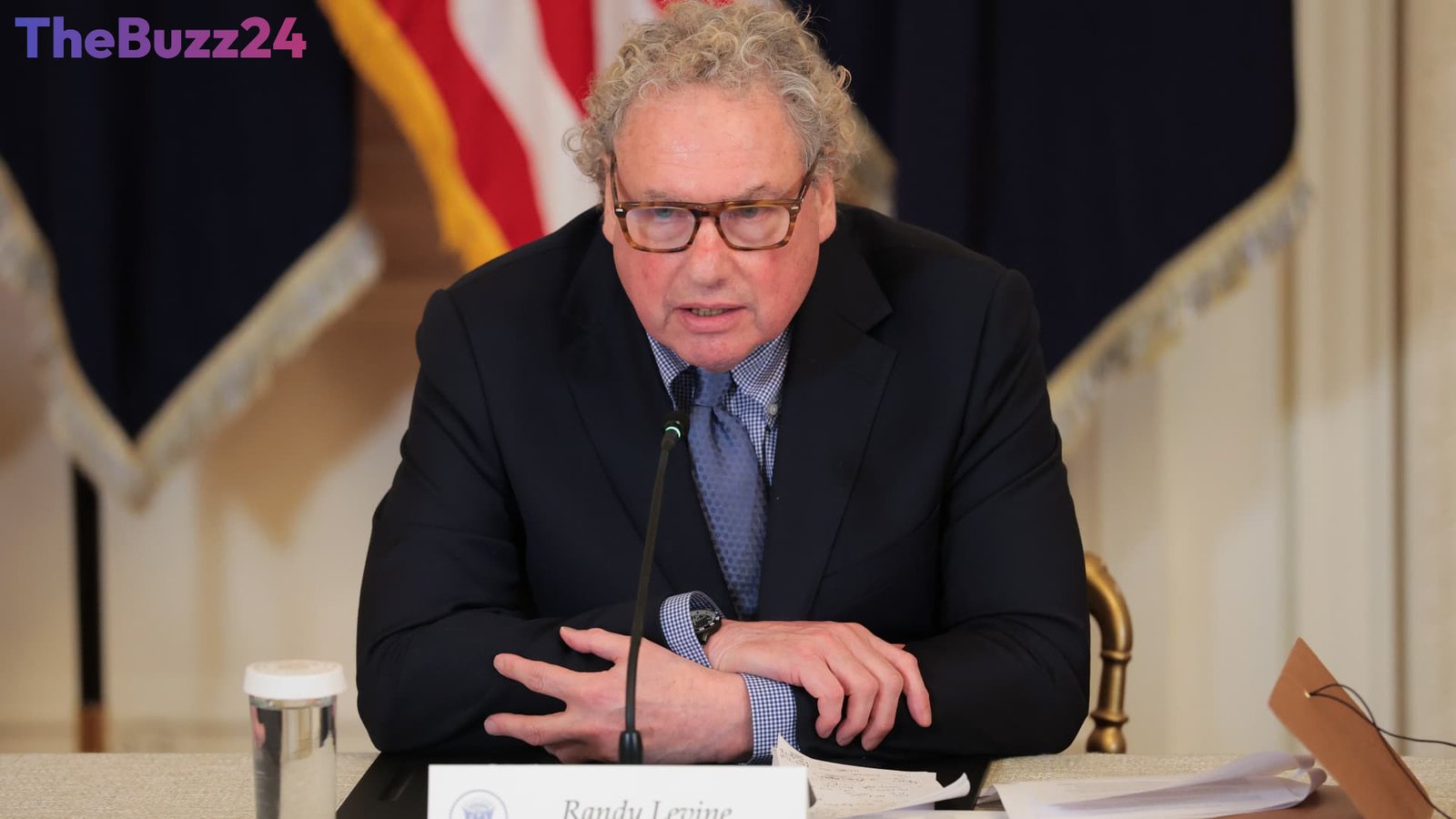
Yankees President Champions College Sports Bill Amidst MLB Labor Uncertainty
New York Yankees President Randy Levine is actively advocating for the passage of the Protect College Sports Act in the House of Representatives, asserting that it is crucial for the financial stability of college athletics. Levine believes the proposed legislation will inject vital funding into educational institutions, enabling them to better support their athletes and bolster programs, particularly those for women and non-revenue generating sports.
Levine detailed that the bill aims to establish a significant funding pool, with $22 million designated for schools to retain their current players and an additional $5 million earmarked for the enhancement of women’s and non-revenue sports. He emphasized the urgency for the House to act, noting the bill’s substantial bipartisan support in the Senate, where it passed with 77 votes. This initiative comes as Levine also serves as a vice-chair on a presidential commission tasked with exploring reforms in college sports, a landscape significantly altered by the emergence of name, image, and likeness (NIL) deals and the transfer portal.
However, the Protect College Sports Act faces opposition. Critics argue that the bill inadequately safeguards student-athletes and could inadvertently concentrate more financial power and control within the NCAA, conferences, and individual schools. Derrick Johnson, president and CEO of the NAACP, has publicly stated that the act does not sufficiently protect the very student-athletes who are the foundation of the multi-billion-dollar college sports industry.
Beyond college athletics, Levine also commented on the impending labor negotiations within Major League Baseball. As a member of the league’s labor committee, he expressed uncertainty regarding the timely resolution of the current collective bargaining agreement, which is set to expire on December 1st. Levine cited “fundamental differences in opinion” between the parties involved, acknowledging that a work stoppage remains a possibility. Despite the challenges, he conveyed confidence in the commitment of both sides to negotiate in good faith to reach a mutually agreeable outcome.
Key Takeaways
- Yankees President Randy Levine is pushing for the passage of the Protect College Sports Act to provide new funding for college athletic programs.
- The bill aims to support player retention and bolster women's and non-revenue sports, but faces criticism for potentially not doing enough to protect student-athletes.
- Levine also expressed uncertainty about reaching a labor deal in Major League Baseball before the current collective bargaining agreement expires on December 1st.
Editor’s Analysis & Impact
Randy Levine’s dual focus on college sports reform and MLB labor negotiations highlights significant shifts and potential disruptions within the sports industry. The push for the Protect College Sports Act underscores the growing financial pressures on collegiate athletics, exacerbated by NIL deals and the transfer portal. If passed, the bill could reshape how funds are distributed, potentially benefiting established programs but drawing criticism for athlete protections. Concurrently, the looming MLB labor deadline signals a period of potential instability for professional baseball. The “fundamental differences in opinion” mentioned by Levine suggest a complex negotiation ahead, with implications for the league’s schedule and economic structure. The outcome of both these situations will have far-reaching consequences for athletes, institutions, and fans alike.
Frequently Asked Questions
Q: What is the main goal of the Protect College Sports Act?
A: The primary goal of the Protect College Sports Act is to provide new federal funding to colleges and universities to help retain players and support women's and non-revenue sports programs, aiming to bring more order to the evolving landscape of college athletics.
Q: What are the main criticisms of the Protect College Sports Act?
A: Critics argue that the bill does not adequately protect student-athletes and could lead to the consolidation of money and power within the NCAA, conferences, and schools, rather than directly benefiting the athletes themselves.
Q: What is the current status of Major League Baseball's labor negotiations?
A: The collective bargaining agreement for Major League Baseball is set to expire on December 1st, and negotiations are ongoing. There is uncertainty about whether a deal will be reached before the deadline, with "fundamental differences in opinion" cited as a challenge.
AI Disclosure: This article is based on verified data and official reports. Our Team and AI have cross-referenced every financial detail with primary sources to ensure total accuracy.
More from this Category