Commerce Secretary Lutnick and Former Nvidia CEO Huang Summoned by Senate Over China Chip Exports
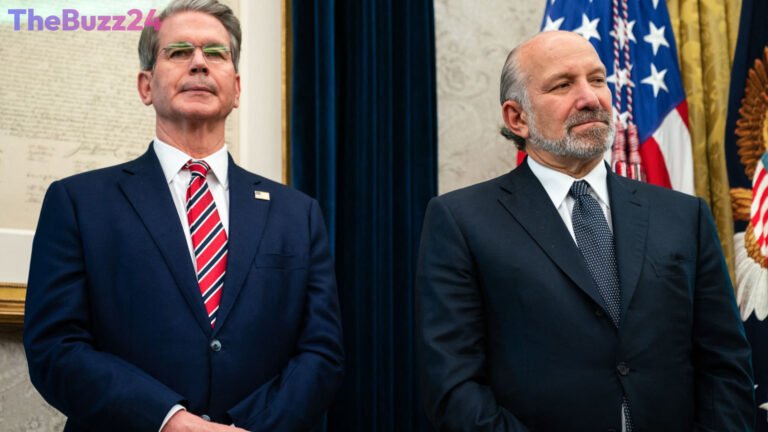
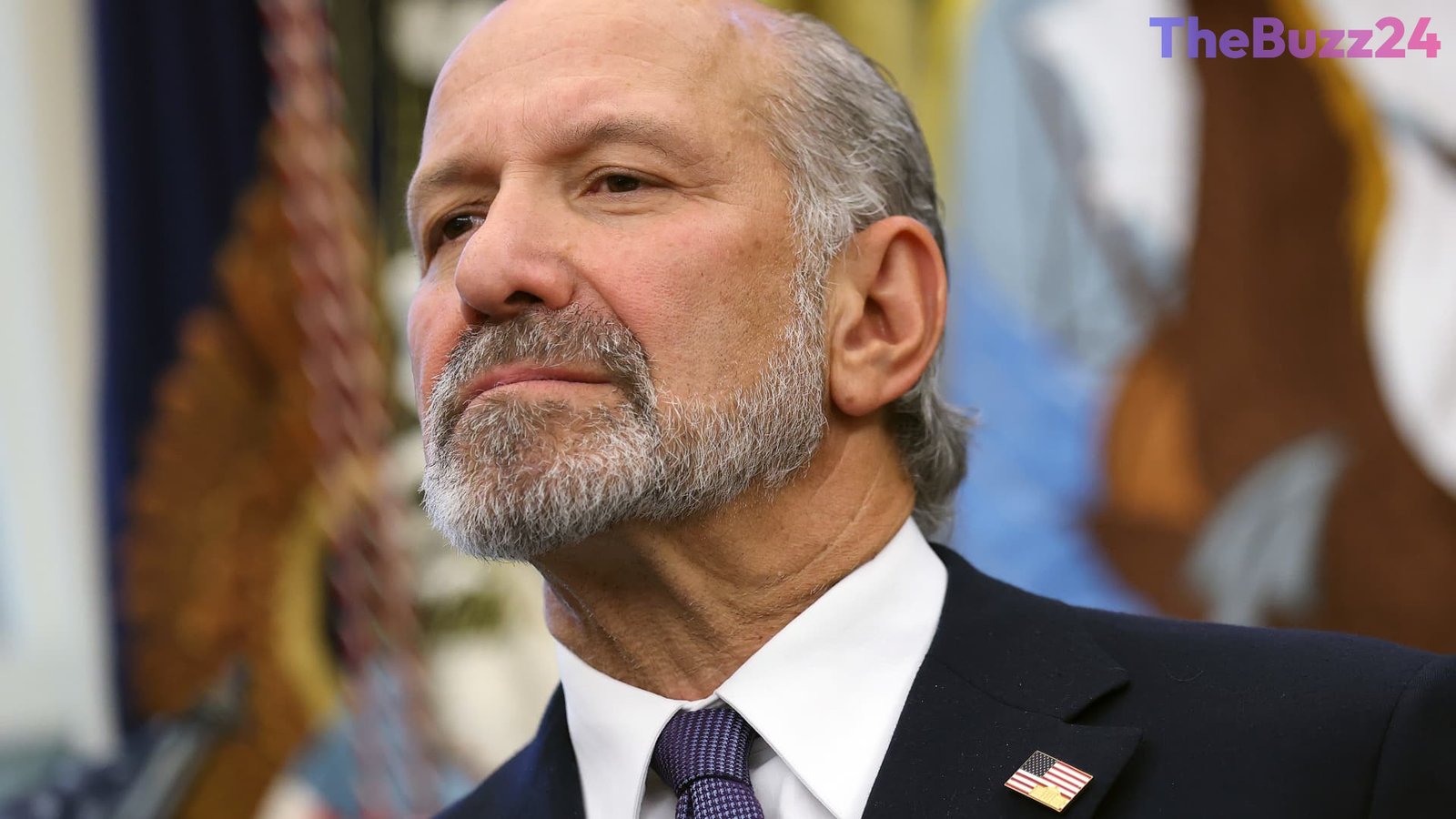
Commerce Secretary Howard Lutnick has voluntarily agreed to testify before the Senate Banking Committee following a formal request from Chairman Tim Scott. The upcoming hearing, scheduled for December 10, will focus heavily on the Commerce Department’s regulatory oversight regarding the export of advanced semiconductor technology to China and the strict enforcement of existing international trade controls.
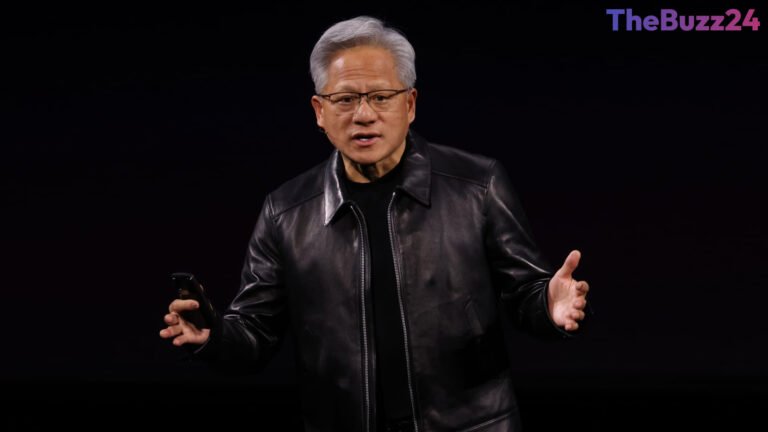
The congressional inquiry intensifies as lawmakers probe potential national security vulnerabilities stemming from high-profile executive departures within the technology sector. Former Nvidia CEO Jensen Huang has likewise been asked to appear before the committee on December 3. This legislative scrutiny follows recent controversies surrounding Huang, including revelations regarding personal relationships with foreign business executives that have sparked intense debate among federal officials regarding corporate governance and security compliance.
Lawmakers from both political parties have expressed growing apprehension over whether federal agencies have sufficiently monitored semiconductor supply chains to prevent cutting-edge artificial intelligence hardware from reaching restricted foreign markets. Specifically, members of Congress are investigating allegations that regulatory loopholes may have facilitated substantial chip shipments to entities with ties to foreign military organizations. As the Senate prepares for these crucial hearings, pressure continues to mount on the administration to reevaluate its trade enforcement strategies and tighten export restrictions on critical technological infrastructure.
Key Takeaways
- Commerce Secretary Howard Lutnick has agreed to testify voluntarily before the Senate Banking Committee on December 10.
- Former Nvidia CEO Jensen Huang was requested to appear at a separate hearing on December 3 amid national security concerns.
- Lawmakers are actively investigating export controls and whether regulatory loopholes allowed advanced AI chips to reach China.
Editor’s Analysis & Impact
The unfolding situation involving the Commerce Department and Nvidia highlights the delicate intersection of global technology trade, national security, and corporate governance. As artificial intelligence hardware becomes increasingly vital to geopolitical power, regulatory bodies face mounting pressure to close loopholes that could allow sensitive technology to flow to strategic competitors. The upcoming congressional hearings will likely set a decisive precedent for how the U.S. government oversees technology exports, potentially ushering in stricter compliance mandates and more aggressive enforcement actions across the semiconductor industry. For investors and industry leaders, this scrutiny signals a period of heightened regulatory risk and underscores the necessity of robust internal compliance frameworks when engaging in international commerce.
Frequently Asked Questions
Q: Why is Commerce Secretary Howard Lutnick testifying before the Senate?
A: Lutnick agreed to testify voluntarily to address lawmakers' questions regarding the Commerce Department's oversight of Nvidia chip exports to China and the enforcement of export controls.
Q: When are the scheduled Senate hearings taking place?
A: Former Nvidia CEO Jensen Huang has been asked to appear on December 3, while Commerce Secretary Howard Lutnick is scheduled to testify on December 10.
Q: What specific national security concerns are lawmakers investigating?
A: Lawmakers are examining whether advanced artificial intelligence chips were supplied to Chinese companies through regulatory loopholes and the potential implications of executive scandals on national security.
AI Disclosure: This article is based on verified data and official reports. Our Team and AI have cross-referenced every financial detail with primary sources to ensure total accuracy.
More from this Category