ChatGPT’s New Wallet Feature Empowers AI Agents to Shop and Checkout on Your Behalf
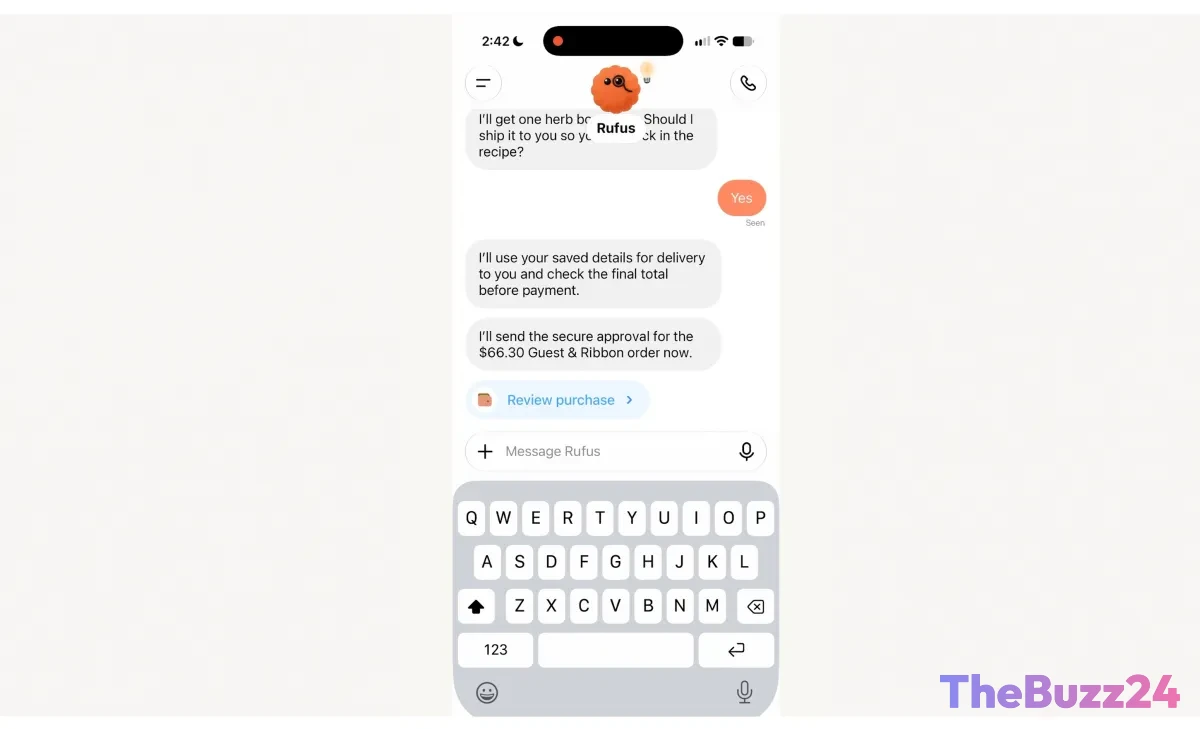
OpenAI has introduced a groundbreaking new feature for ChatGPT, enabling AI agents, referred to as ‘dots,’ to assist users with shopping and complete purchases autonomously. This innovative wallet functionality, initially rolled out to a select group of U.S.-based ChatGPT Pro subscribers aged 18 and above, requires a U.S.-issued Visa, Mastercard, or American Express card for transactions.
The system is designed with user control at its core. Before any purchase is finalized, users will have the opportunity to review selected items, the total cost, and the payment card designated for the transaction. The checkout process is further secured by requiring user approval through biometric authentication, such as Face ID or fingerprint scans, ensuring a clear record of all AI-initiated purchases.
This development arrives as the consumer AI landscape actively seeks practical applications that enhance user efficiency. While some platforms have reported modest adoption of AI-driven ordering, others, like Meta’s Muse, have observed AI-assisted shopping emerge as a highly popular activity. OpenAI’s entry into this domain with its agentic shopping feature signifies a strategic move to capitalize on this growing trend.
To utilize the ChatGPT Wallet, subscribers first link their eligible payment cards. Subsequently, they can instruct their AI dot to assist with a purchase. For enhanced security, the wallet employs payment tokens, which act as substitutes for actual card details, preventing sensitive information from being shared with the AI agent or the merchant. The AI dot then securely transmits necessary fulfillment information, such as shipping addresses, to the merchant. Importantly, users will continue to benefit from credit card rewards and standard consumer protections, including the ability to dispute transactions.
Key Takeaways
- ChatGPT now features a 'Wallet' allowing AI agents ('dots') to shop and complete purchases for users.
- The feature requires user approval via biometric authentication and uses payment tokens for enhanced security.
- Initially available to select U.S. ChatGPT Pro subscribers, OpenAI plans broader rollout and enhanced user controls in the future.
Editor’s Analysis & Impact
OpenAI’s introduction of an AI-powered shopping wallet marks a significant step towards agentic commerce, blurring the lines between digital assistance and autonomous consumer action. This feature taps into the growing demand for AI tools that streamline everyday tasks. While early adoption by AI agents in other services has been slow, the potential for convenience and efficiency is substantial. Challenges remain, including retailer acceptance, as seen with Amazon’s blocking of AI agents. However, OpenAI’s proactive approach with a partner playbook suggests a strategy to foster ecosystem adoption. The long-term implications could reshape online retail, shifting power dynamics and creating new avenues for personalized, automated shopping experiences, provided privacy and security concerns are adequately addressed.
Frequently Asked Questions
Q: How does the ChatGPT Wallet ensure security during purchases?
A: The ChatGPT Wallet uses payment tokens instead of actual card details, ensuring sensitive information is not shared with the AI agent or the merchant. Additionally, all purchases require user approval through biometric security checks like Face ID or fingerprint scans.
Q: Who is eligible to use the new ChatGPT Wallet feature?
A: Initially, the feature is available to a limited number of U.S.-based ChatGPT Pro subscribers who are 18 years or older and possess a U.S.-issued Visa, Mastercard, or American Express card.
Q: Will users still receive credit card rewards and protections when using the AI agent for shopping?
A: Yes, users will continue to earn credit card rewards and benefit from standard protections, such as the ability to dispute transactions, when shopping through their AI dots.
AI Disclosure: This article is based on verified data and official reports. Our Team and AI have cross-referenced every financial detail with primary sources to ensure total accuracy.
More from this Category